 Free shipping on orders over £29,85
  Shipping Tracking!


 Google
 Facebook
← Back to How do you remove resin from car bodywork?
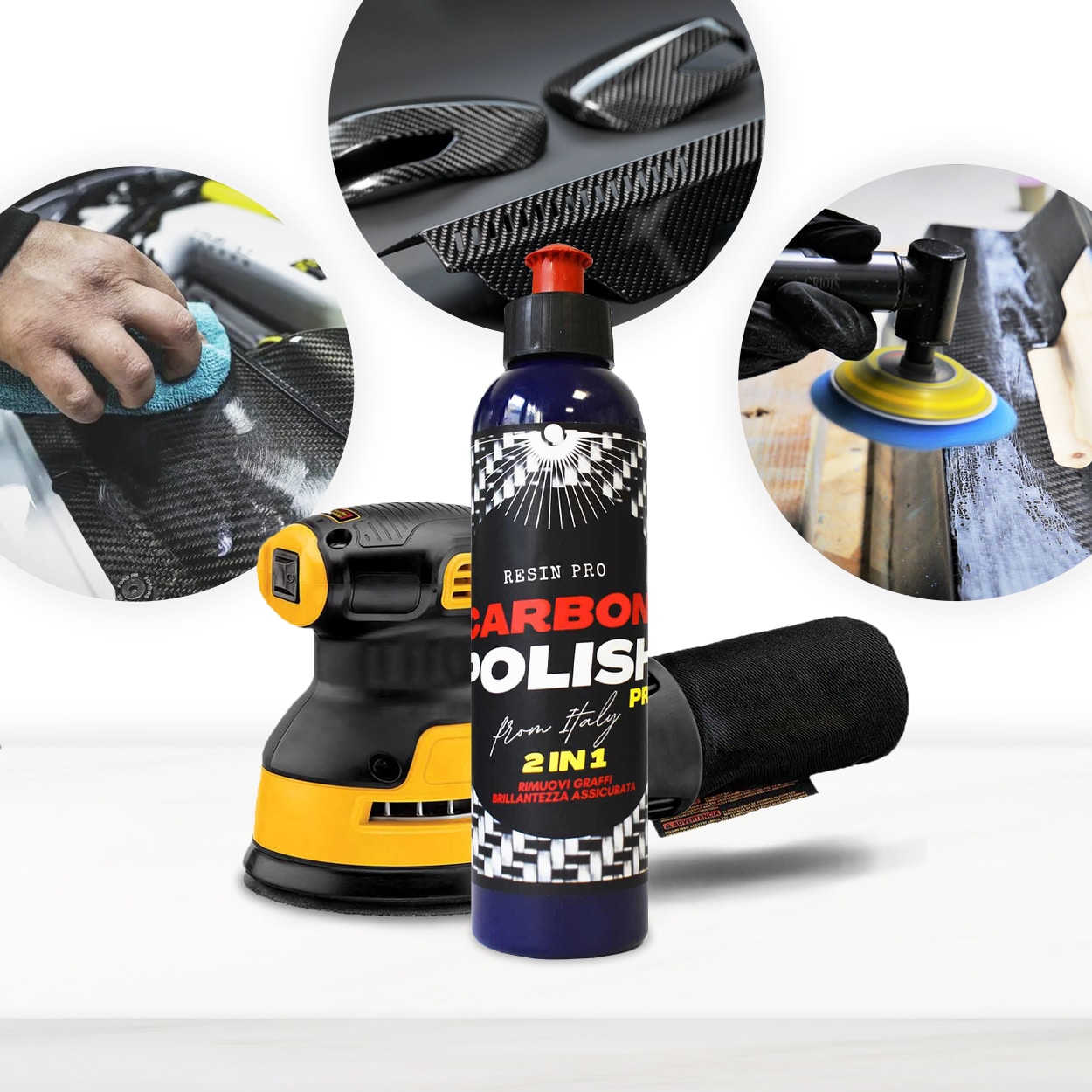
Dark paintwork and carbon-fibre finishes highlight every imperfection, making white marks from standard polishes especially noticeable. Knowing how to prevent residue is key when maintaining a flawless deep finish.
Choose the Right Polish for Black and Carbon Surfaces
Avoiding white marks starts with using a polish specifically made for dark or carbon-fibre finishes. Ordinary abrasive pastes may leave visible, chalky spots or holograms that stand out on black, carbon, or high-gloss resin-coated panels. Consider a product like Carbon Polish, which is formulated to deliver a mirror-like shine without the whitening effect and is safe for plastic components often found on cars.
Best Practice: Application and Removal Tips
Always use a clean, dedicated microfibre cloth or appropriate polishing pad. Power-assisted polishers provide even results on large, flat panels but, for smaller jobs, hand-application is suitable. Work the product gently and do not over-apply; excessive polish can dry out and leave residue. Remove product promptly with a separate clean cloth to avoid haziness.
- Work in shaded, cool areas to prevent premature drying.
- Buff off with light pressure for a streak-free result.
- Inspect under good lighting.
When This Matters Most
Using the right polish and method is crucial when your project involves prestige vehicles, exposed carbon-fibre parts, or deep black resin trims—these surfaces reveal swirls and residues more than any other finish.
Related products
Related guides
By selecting a dedicated dark surface polish and following careful technique, you can achieve the deep, uniform look prized on black cars and carbon-fibre finishes. For more on restoring car bodywork after resin spills or repairs, visit our main guide on removing resin from car bodywork.