 Free shipping on orders over £29,85
  Shipping Tracking!


 Google
 Facebook
← Back to how to do it with resin
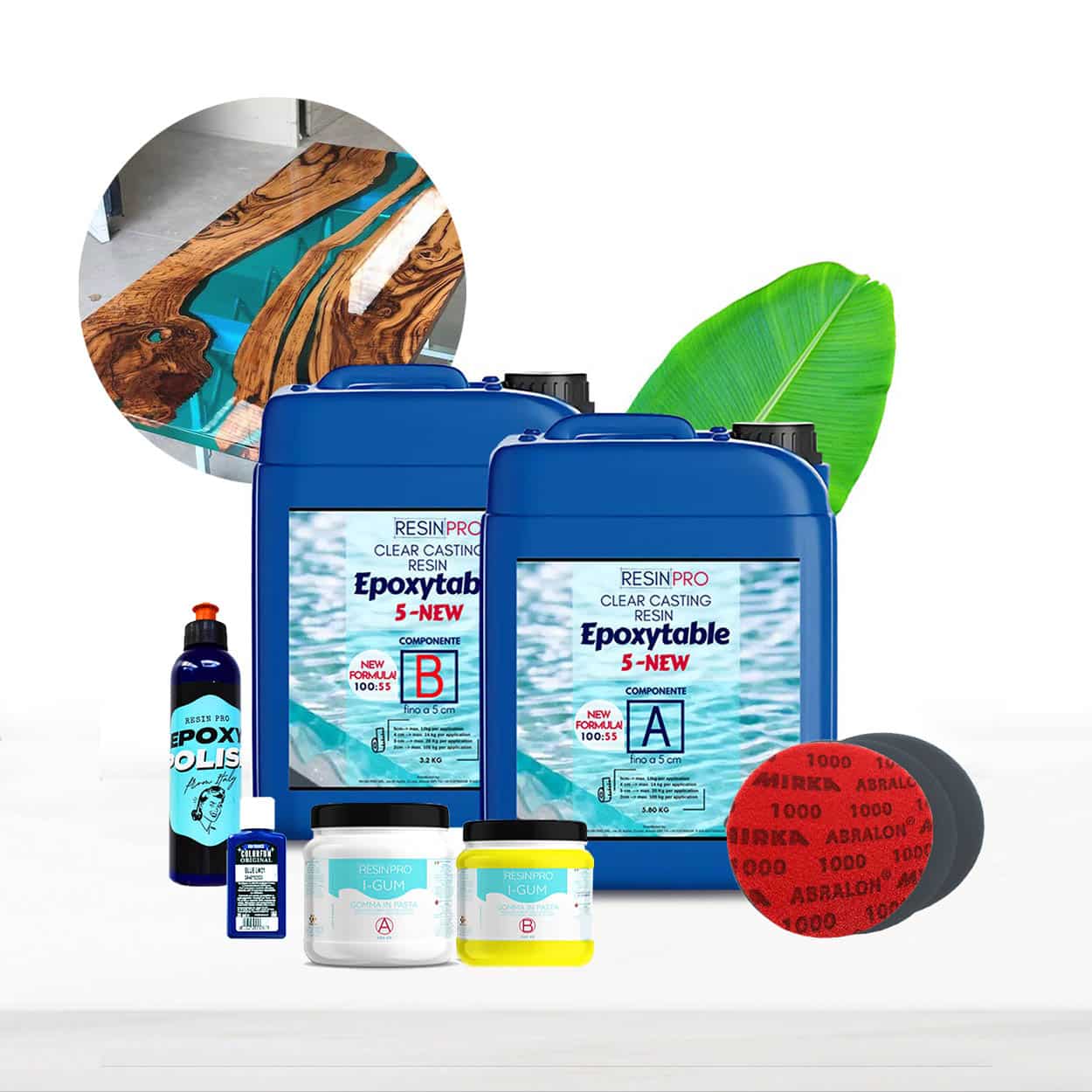
Bubbles are a common frustration when working with resin, often appearing if the mixture is stirred too vigorously or left unchecked. Achieving a clear, smooth finish depends on using the right techniques and knowing how to minimise trapped air.
Why Do Bubbles Form in Resin?
Bubbles usually develop when air is incorporated during the mixing process. Stirring resin rapidly or with excess force increases the likelihood of trapping air. Certain resins are more prone to this, especially those of higher viscosity or when mixing larger batches. Temperature and humidity also play a role, and cold conditions can trap more air.
Tips to Minimise and Remove Bubbles
- Stir Slowly: Mix the resin and hardener gently in a steady, circular motion, scraping the sides and bottom of your container.
- Allow to Rest: Let the mixed resin stand for a few minutes after mixing to allow surface bubbles to rise and pop naturally.
- Use the Right Tools: Flat, wide stirrers help reduce turbulence. For sensitive projects, specialised kits such as the “River-Table” beginner kit include detailed instructions for optimal mixing.
- Use Gentle Heat: Gently pass a heat gun or blow over the surface once poured, being careful not to overheat or burn the resin.
When This Matters
Reducing bubbles is vital for projects where a clear, glass-like finish is desired, such as tabletops, decorative trays, or encapsulating decorative elements. Bubbles can obscure details and affect the overall quality, particularly in art, jewellery, or surface coatings.
Related products
Related guides
Mastering de-bubbling techniques will improve the appearance and quality of your resin creations. For step-by-step guidance, see more on how to do it with resin.