 Free shipping on orders over £29,85
  Shipping Tracking!


 Google
 Facebook
← Back to Which is more durable: a resin or plastic cabinet?
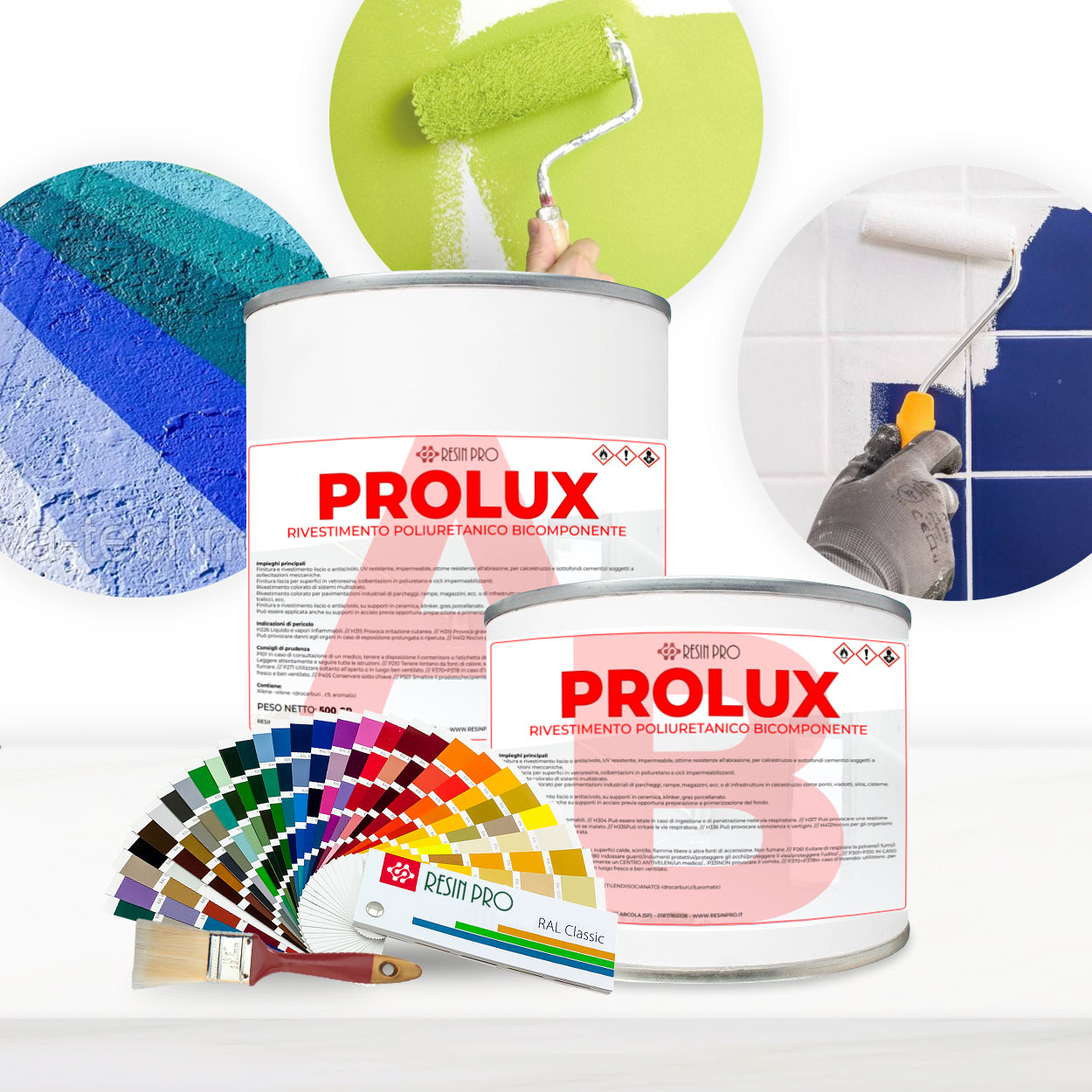
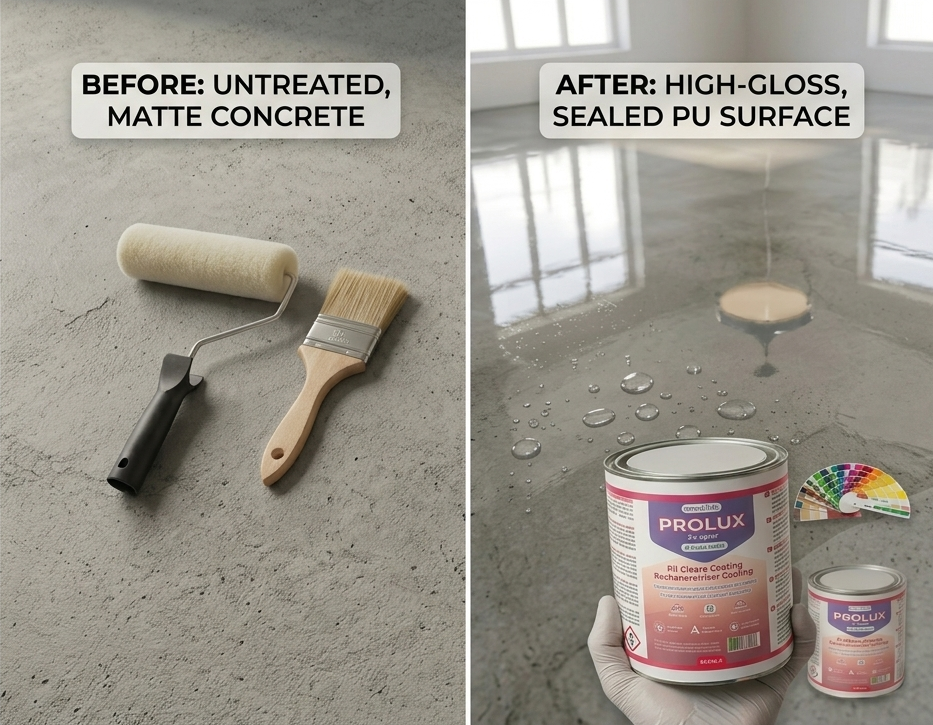
When outfitting a bathroom or kitchen, cabinet material must cope with high levels of moisture, humidity and frequent cleaning. Both resin and plastic are popular, but each performs differently under damp conditions.
Why Resin Excels in Damp Areas
Resin is highly regarded for use in wet environments such as bathrooms or kitchens due to its seamless finish and robust water resistance. Its surface does not absorb moisture, helping prevent warping or swelling that can occur with other materials. Resin is also highly resistant to scratches and chemicals commonly found in cleaning products, making it particularly well-suited for cabinetry or surfaces that are exposed to frequent use and cleaning.
Comparing Resin and Plastic: Durability and Maintenance
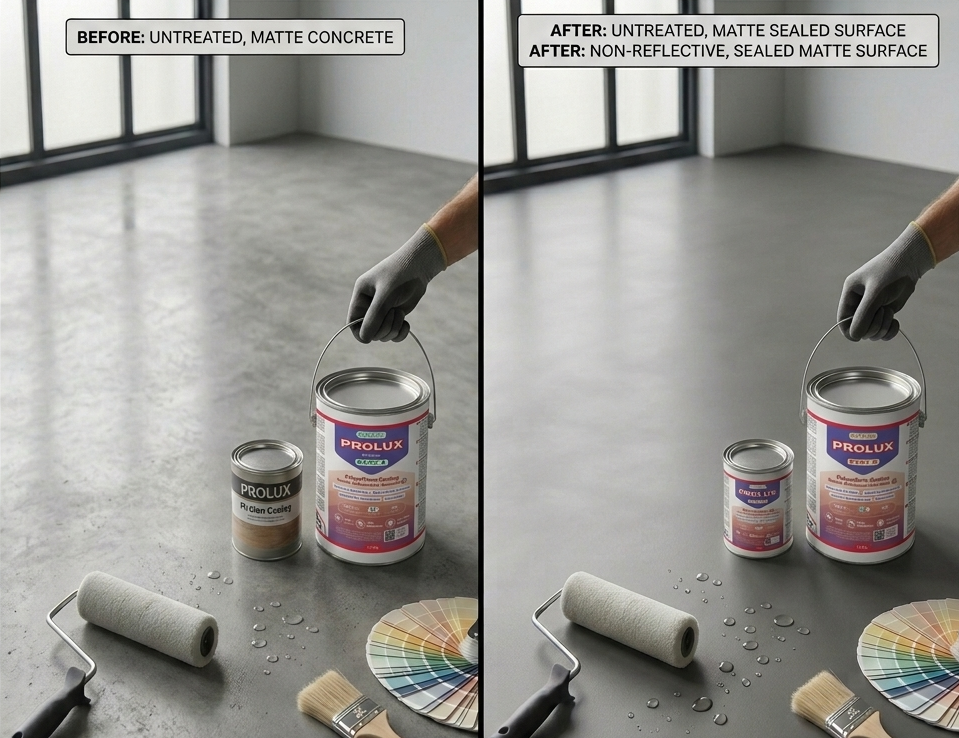
Whilst many plastics are designed to be water-resistant, they may develop seams or joins that allow moisture ingress over time. By contrast, resin surfaces can be poured or coated for a continuous, joint-free finish. This minimises places for mould and mildew to develop and makes cleaning easier. For areas where additional protection is required—such as around sinks or worktops—a dedicated coating like “Prolux” PU coating offers improved resistance to abrasion and chemical exposure, enhancing durability further.
When This Matters: High-Humidity and Frequent Cleaning
If your bathroom or kitchen suffers from persistent humidity, or if you require cabinets that will stand up to splashes, spills and daily scrubbing, selecting resin over standard plastic can extend the lifespan and maintain the appearance of your installations. It’s a wise choice for both residential and commercial settings where moisture is a constant concern.
Related products
Related guides
Choosing the right surface for damp environments not only improves cabinet longevity but also keeps your space healthier and easier to maintain. For further guidance on durability in cabinets, see our main page on resin versus plastic options.