 Free shipping on orders over £29,85
  Shipping Tracking!


 Google
 Facebook
← Back to How to use antifosphate resins?

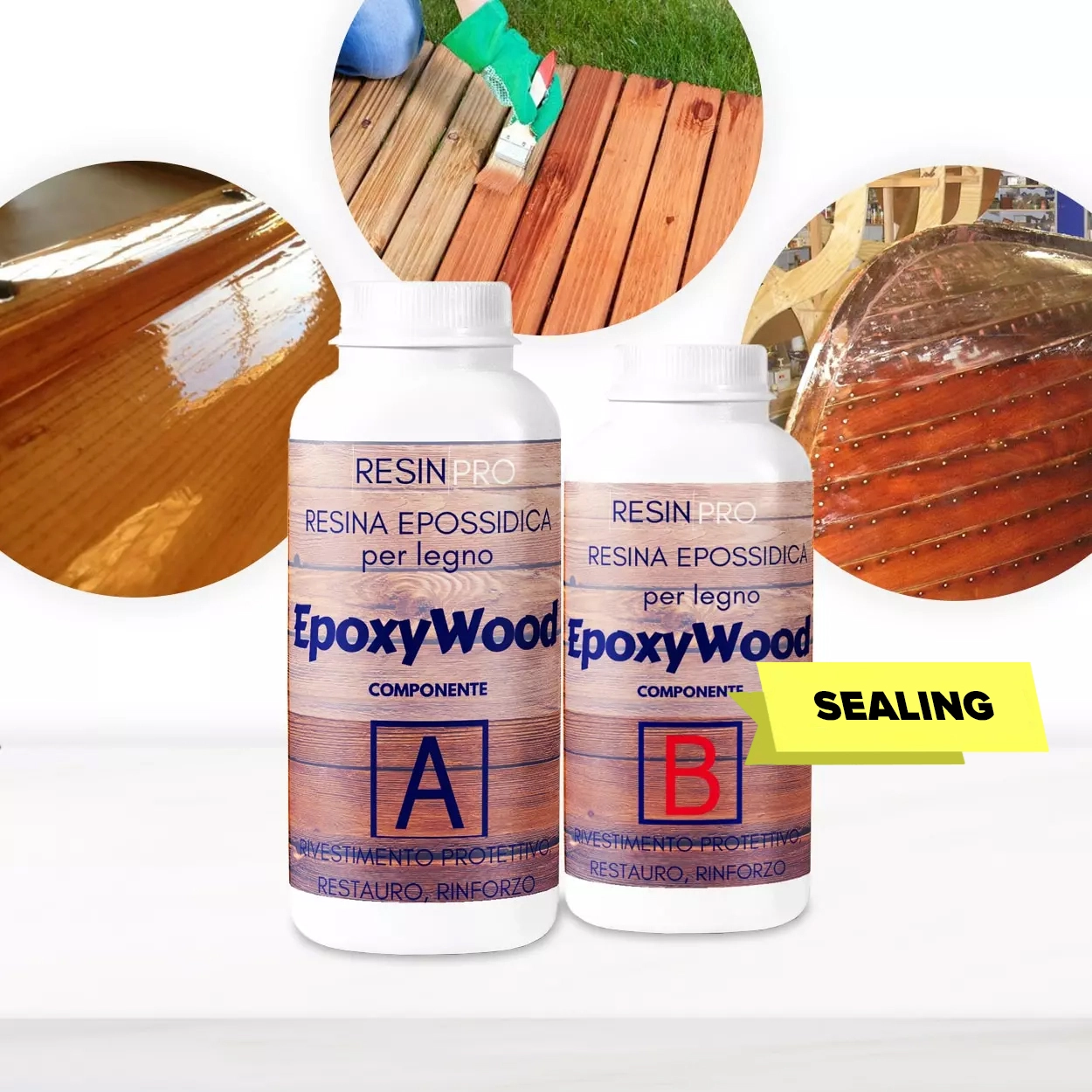
Adding colour to antiphosphate resin can open up a world of creative possibilities. Whether you’re enhancing clarity or aiming for a bold artistic effect, knowing the right approach is key to achieving great results.
Choosing the Right Pigments
Not all colourants are suitable for all resins. For antiphosphate and multipurpose epoxies like Trasparente or clear artist resins, select pigments and dyes that are labelled as compatible with epoxy or polyurethane. Liquid pigments disperse smoothly, while powder pigments can offer a stronger, more opaque colour. Always avoid water-based or generic paints, as they can affect the cure or clarity of your resin.

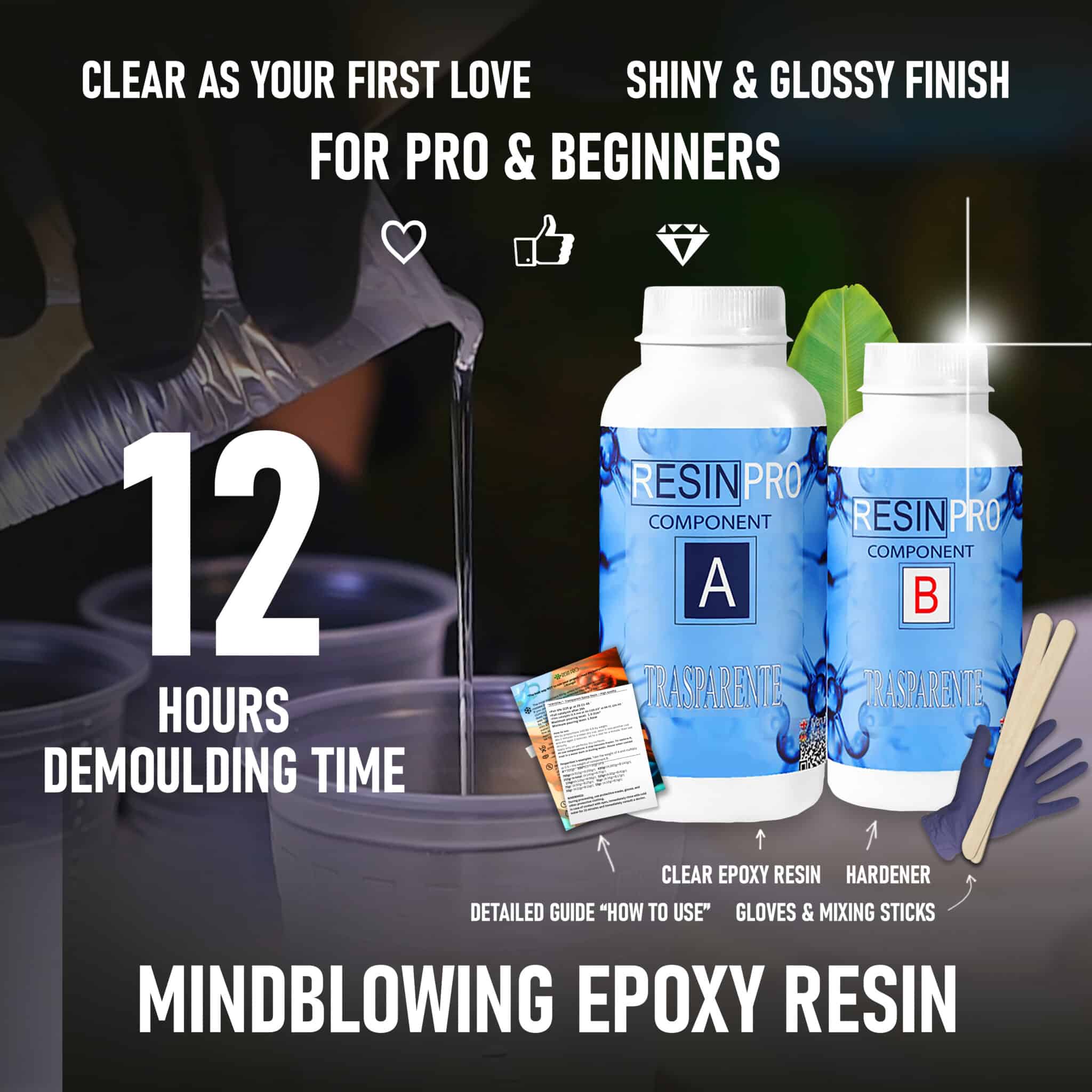
How to Mix Pigments into Antiphosphate Resin
For best results, add your chosen pigment to the resin after you’ve combined its two components but before you begin pouring. Stir thoroughly to achieve an even tone—start with a small amount and build up to your desired opacity. With clear resins, a subtle tint often looks elegant, while bolder additions can create striking effects. Mixing sticks and gloves, commonly included with resin kits, help keep colours consistent and air bubbles to a minimum.
When Using Coloured Resin Matters
- Highlighting Details: Pigmented resin can make custom cast objects or artworks stand out.
- Layered Projects: Different colours can separate or accentuate features in coasters, jewellery, and models.
- Concealing Imperfections: Adding colour masks minor flaws in the substrate beneath clear resin coatings.

Related products
Related guides
Colouring antiphosphate resin is straightforward and gives you freedom to personalise any project. For more tips and guidance on working with these resins, visit our main how to use antifosphate resins guide.