 Free shipping on orders over £29,85
  Shipping Tracking!


 Google
 Facebook
← Back to How long does resin take to dry?
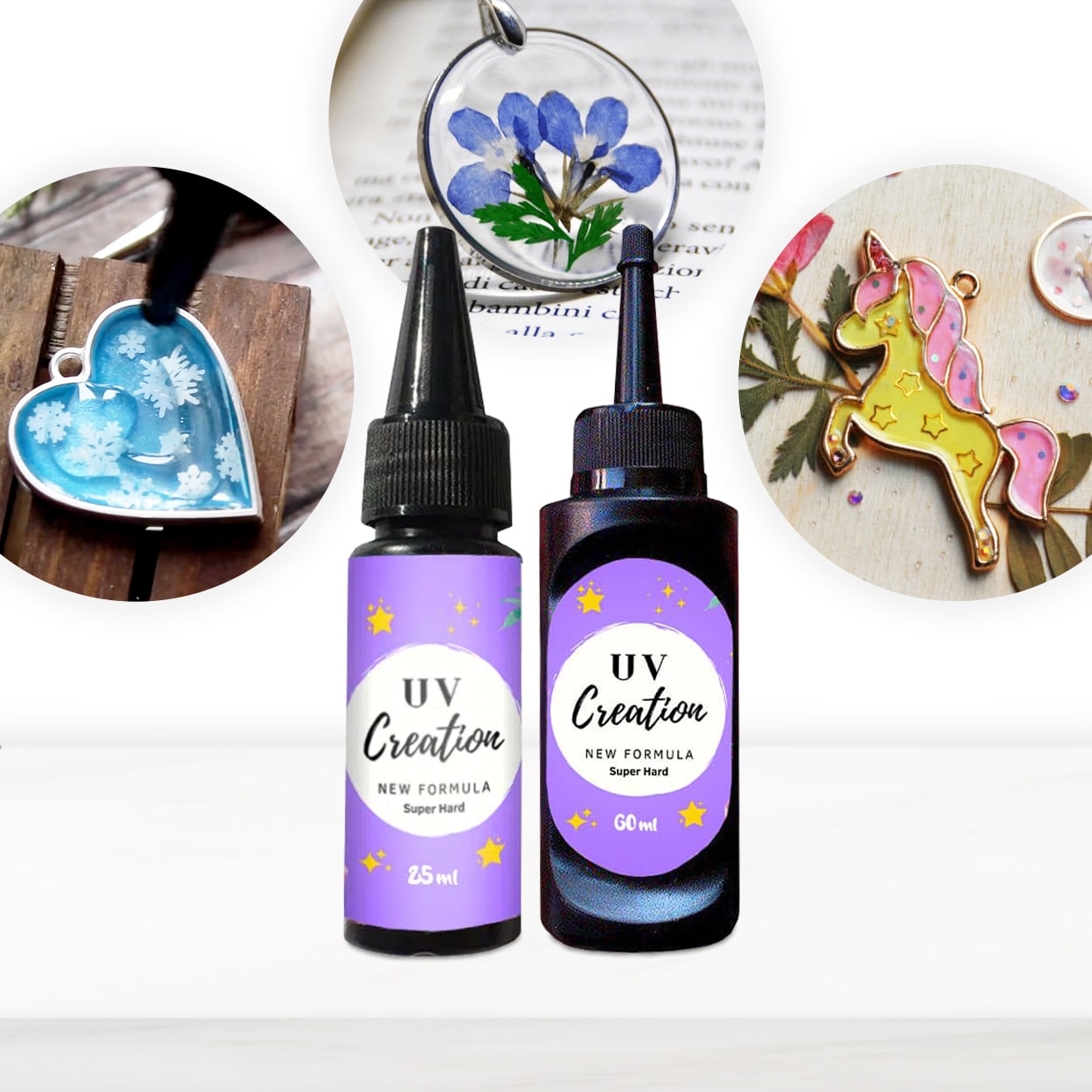
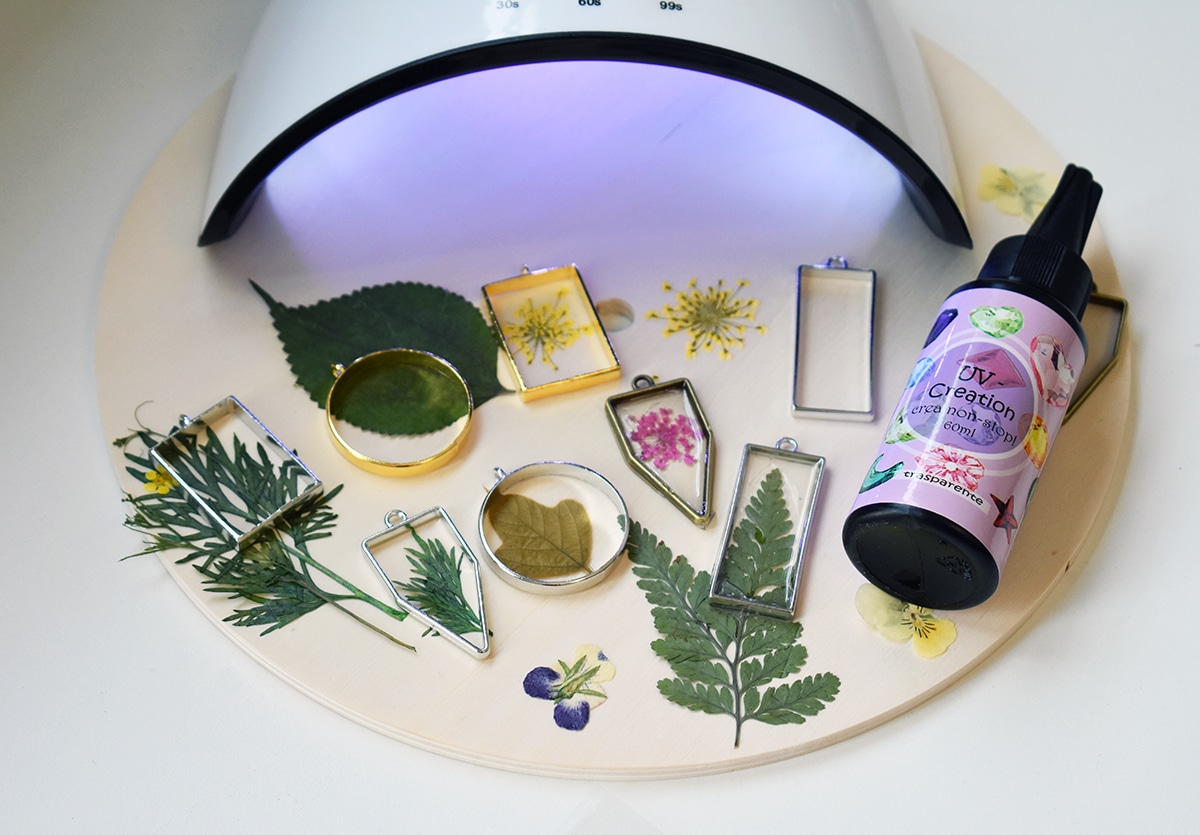
If you’ve ever wondered why your resin isn’t hardening as quickly as expected, the answer could be in the air. Humidity can play a big part in how fast various resins cure, especially for those working with epoxy or polyurethane types.
Why Humidity Matters for Resin Curing
High humidity increases the amount of moisture present in the environment. Since most epoxy and polyurethane resins are sensitive to water in the air, this can slow their curing or sometimes cause surface imperfections, cloudiness, or even problems with setting fully. Lower humidity, on the other hand, gives you more predictable results and a higher likelihood of a clear finish.
Tips for Reliable Resin Results
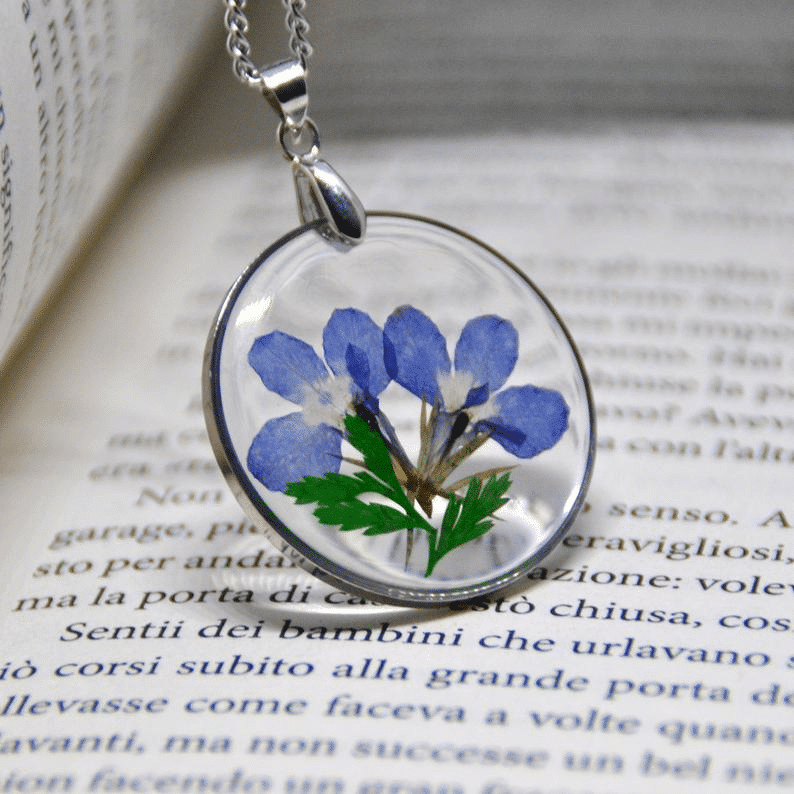
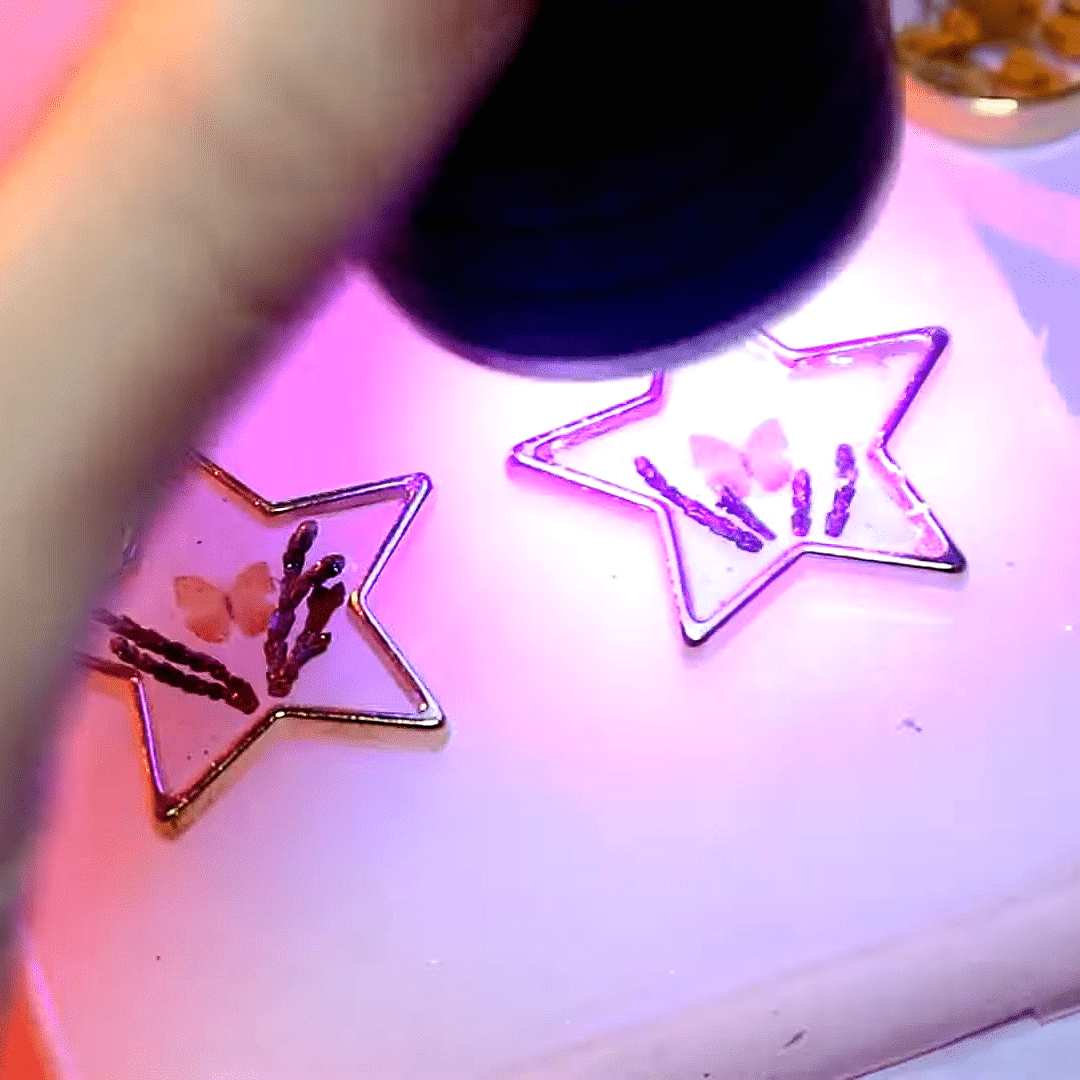
To get the best possible outcomes, work in a space where you can control temperature and humidity—a dry, ventilated room is ideal. If using a fast-curing UV acrylic resin like UV–Creation, you’ll be less affected by humidity since UV-set resins typically depend more on light than moisture levels. For epoxies and polyurethane resins, consider using a dehumidifier during especially muggy days and always follow the manufacturer’s instructions regarding ambient conditions.
When This Matters Most
- Large projects or thick pores, where slow curing increases risk of defects.
- Professional or commercial pieces that demand consistent clarity and strength.
- Working during summer or in coastal regions where air is naturally moist.

Related products
Related guides
Understanding environmental factors will help you choose the right resin and curing setup. For more on curing times and how they affect your projects, see our complete resin drying guide.