 Free shipping on orders over £29,85
  Shipping Tracking!


 Google
 Facebook
← Back to What to Do If the Resin Cracks?

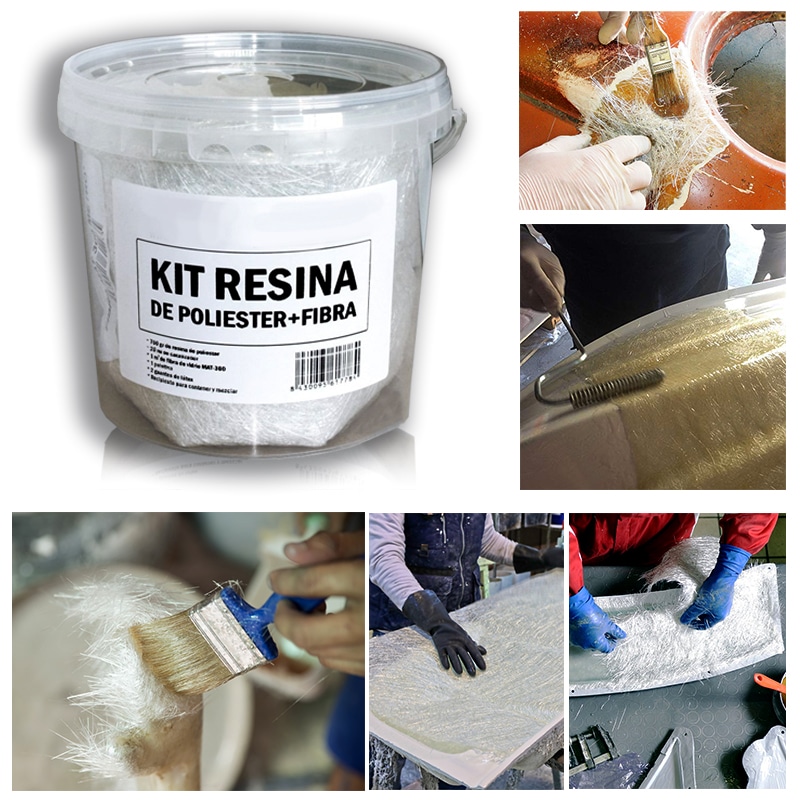
Cracks in resin projects can sometimes occur, but the good news is that it’s usually possible to repair them by pouring a new layer over the affected area. Proper preparation is essential for a durable, seamless result.
Preparing the Cracked Surface
For best adhesion, the damaged, cracked resin must be thoroughly prepared. Start by sanding the area with fine-grit sandpaper to level out irregularities and remove any glossy finish from both the crack and its surroundings. After sanding, carefully clean away dust using a damp cloth or suitable cleaner—any residue can prevent proper bonding.
Take care to dry the area fully before proceeding. Ensure the repaired section is free from contaminants like oil, wax, or grease, as these will disrupt the compatibility of the new resin layer.
Pouring the New Resin Layer
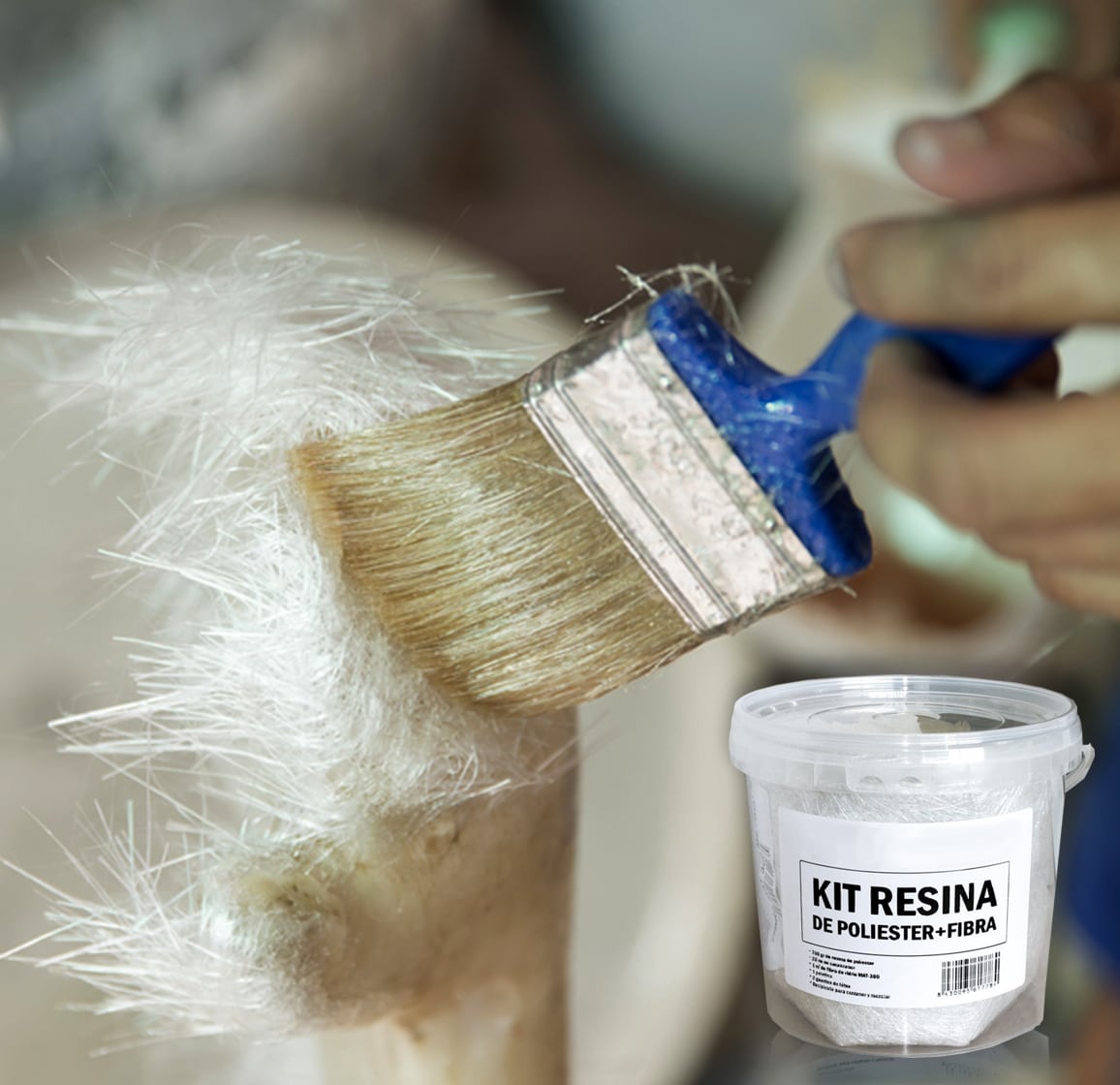
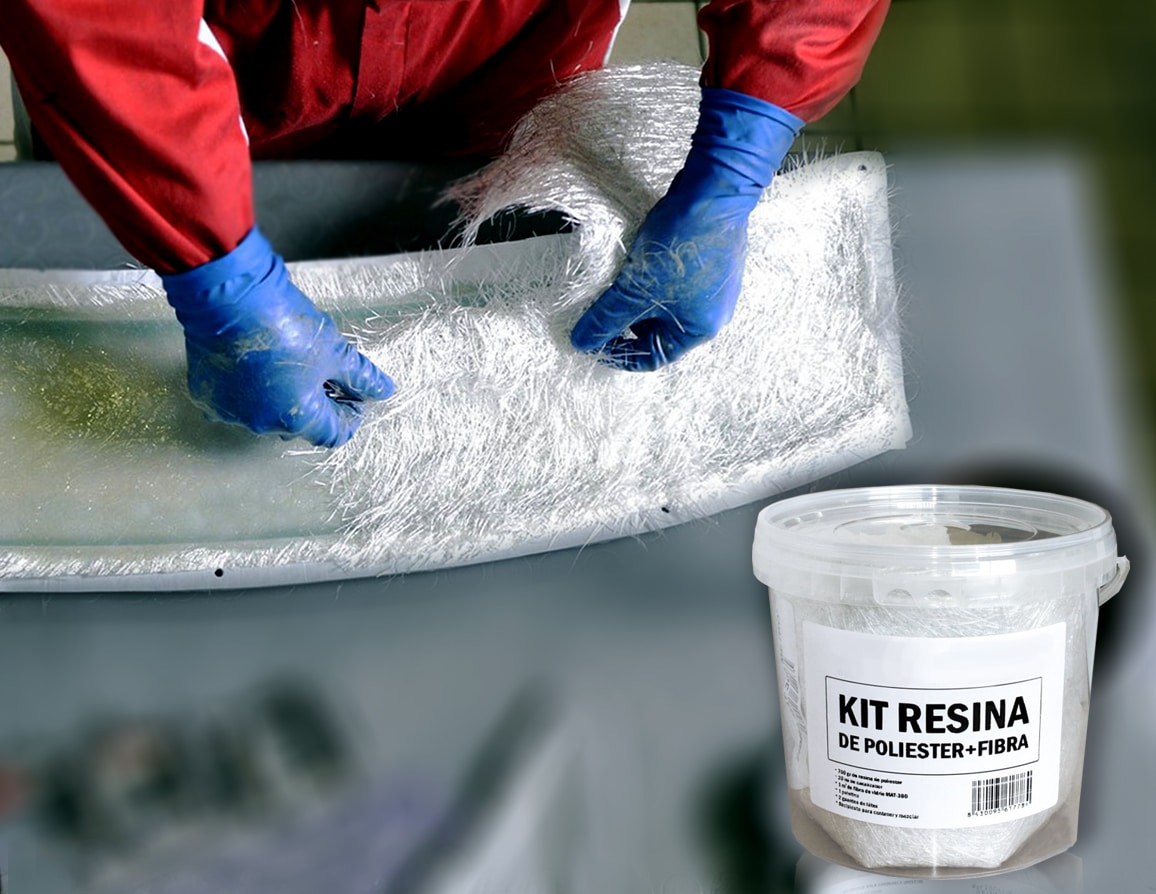
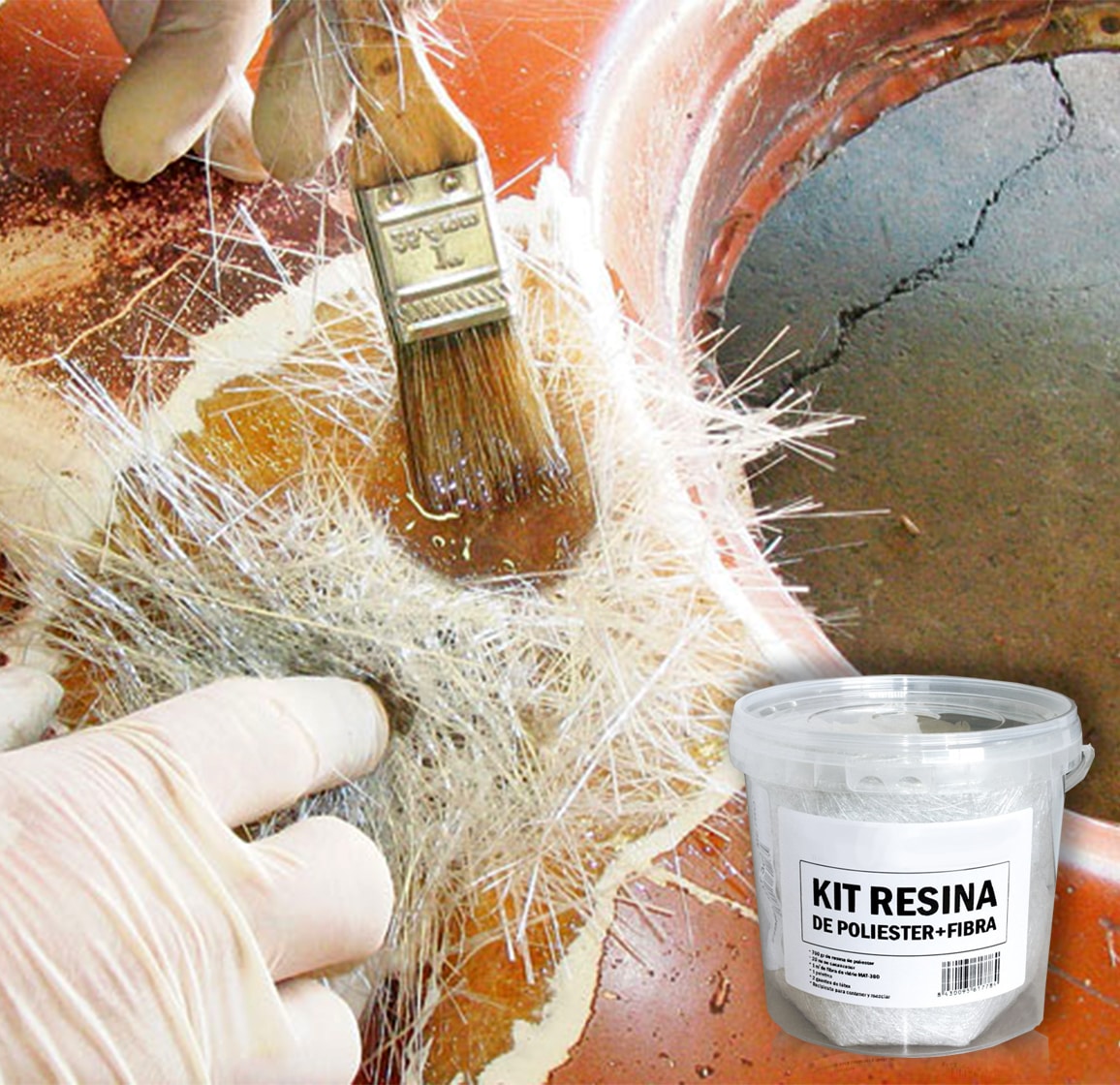
Once your surface is well-prepared, you can apply a fresh layer of resin. Mixing the resin and hardener as directed is vital to avoid sticky or undercured patches. Pour slowly over the cracked section, aiming to cover beyond its edges to create a unified seam. For deeper or structural cracks, a repair kit such as the Resin Fibreglass Repair Kit – Complete Polyester Resin and Hardener Set can provide additional reinforcement by combining resin with fibreglass matting.
For best results, allow each layer to cure fully before sanding or finishing, following the specific product’s guidance on timings and thicknesses.
When Does Re-Pouring Matter Most?
- When the cracked section affects strength or waterproofing
- If the casting will bear weight or be exposed to water
- For restoring clear surfaces where cracks spoil the finish
Investing time in proper surface prep and choosing the right resin minimises the risk of further issues.
Related products
Related guides
Repairing cracks by pouring new resin lets you salvage existing castings and maintain a flawless finish. For further guidance and troubleshooting, see our full advice on what to do if the resin cracks.