 Free shipping on orders over £29,85
  Shipping Tracking!


 Google
 Facebook
← Back to How to regenerate a resin sink?
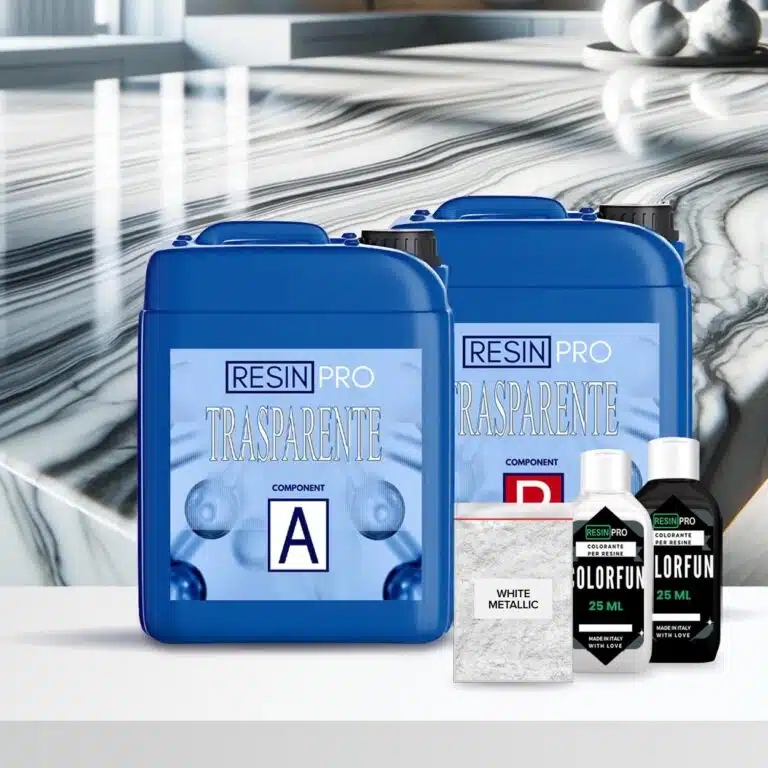
If your resin sink has lost its original colour or begun to look tired and faded, recolouring is possible with the right techniques. The process involves resurfacing with pigmented epoxy for a fresh, durable finish.
Choosing the Right Epoxy Resin and Pigments
To recolour your sink effectively, you’ll need a high-quality epoxy resin suitable for coatings and vibrant pigments compatible with epoxy. Kits such as the Stone Effect Collection provide coloured resin and tools for easy application and a decorative finish. Ensure the pigment is well-mixed into the resin for even, consistent colour coverage.
Surface Preparation: The Key to Lasting Results
Proper preparation is vital for the new epoxy layer to bond reliably. Start by cleaning the sink thoroughly to remove grease and residues—products like the Strong Technical Degreaser are specially formulated for resin surfaces. Sand the sink lightly to create a uniform, matte surface, then remove all dust. Only then should you mix and apply the pigmented epoxy.
Application Tips for an Even Colour
Follow the epoxy kit instructions for mixing and curing times. Pour or brush on the pigmented epoxy in a well-ventilated area, avoiding excess thickness or drips. Use a roller or brush suited for resins, and smooth out bubbles with a heat gun if needed. Allow the sink to cure fully before use to ensure a uniform, durable new colour.
When Does Recolouring Matter Most?
- Your resin sink has visible yellowing or patchy fading.
- You want to update the sink to match a new décor scheme.
- The original surface has been scratched or stained beyond regular cleaning and polishing methods.
Related products
Related guides
Recolouring a faded resin sink can dramatically refresh your space without full replacement. For more ways to extend the life and appearance of your resin fixtures, see our main guide on how to regenerate a resin sink.