 Free shipping on orders over £29,85
  Shipping Tracking!


 Google
 Facebook
← Back to How do you remove epoxy resin from wood?
Once epoxy resin has been removed from wood, restoring the surface to its former beauty is perfectly possible. With some care, you can refinish your woodwork as you would with untreated timber.
Preparing the Wood for Refinishing
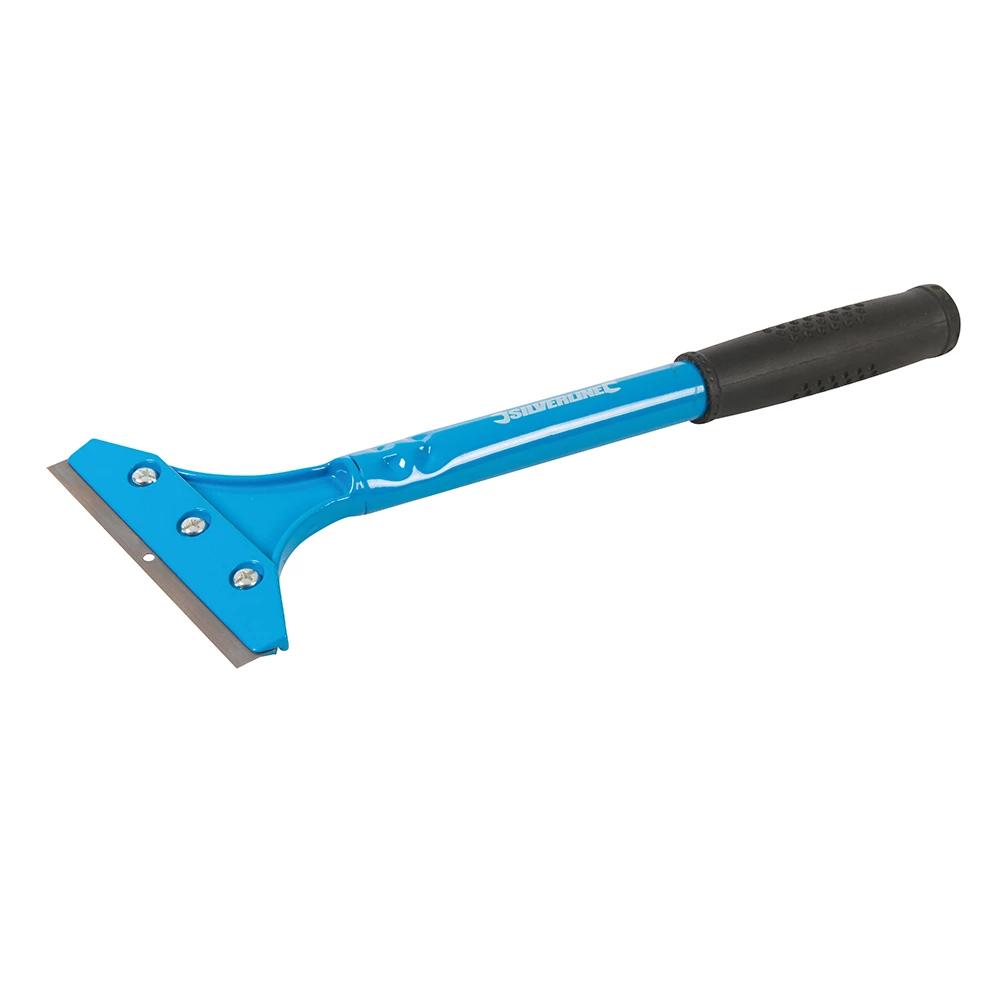
Start by ensuring the wood is entirely free from resin residues. A Heavy Duty Scraper for Paint and Epoxy Resin Removal helps to lift stubborn cured resin without causing excess damage to the underlying wood. After scraping, inspect the surface closely, checking corners and grain patterns for trapped resin. Any lingering residue can interfere with adhesion or stain absorption when refinishing.
Once scraping is complete, thoroughly clean the wood. Using a gentle, natural degreaser can remove any remaining grease or contaminants, giving you a neutral base for the new finish.
Sanding and Surface Smoothing
After resin removal and cleaning, sanding is crucial for achieving an even, receptive surface. Use sanding pads suitable for both wood and resin, starting with a medium grit to remove any minor imperfections, then move to finer grits for a smooth finish. Ebonite Abralon Sanding Pads provide a wide range of grits for progressive smoothing, ensuring your wood is ready for staining, oiling, or varnishing as desired.
- Sand in the direction of the wood grain to avoid scratches.
- Regularly wipe away dust to assess progress.
- Finish with a fine grit for best results before applying any products.
When Refinishing Matters Most
Refinishing your wood after epoxy resin removal matters if the original surface has been scratched, dulled, or if you wish to apply a fresh stain, oil, or lacquer. Taking the time for thorough preparation makes all the difference in achieving a seamless and long-lasting result.
Related products
Related guides
With careful removal, cleaning, and sanding, your wood can be beautifully refinished after epoxy resin has been taken off. For more advice and methods, visit our main guide on removing epoxy resin from wood.