 Free shipping on orders over £29,85
  Shipping Tracking!


 Google
 Facebook
← Back to How to repair cracks in wooden beams with resins?

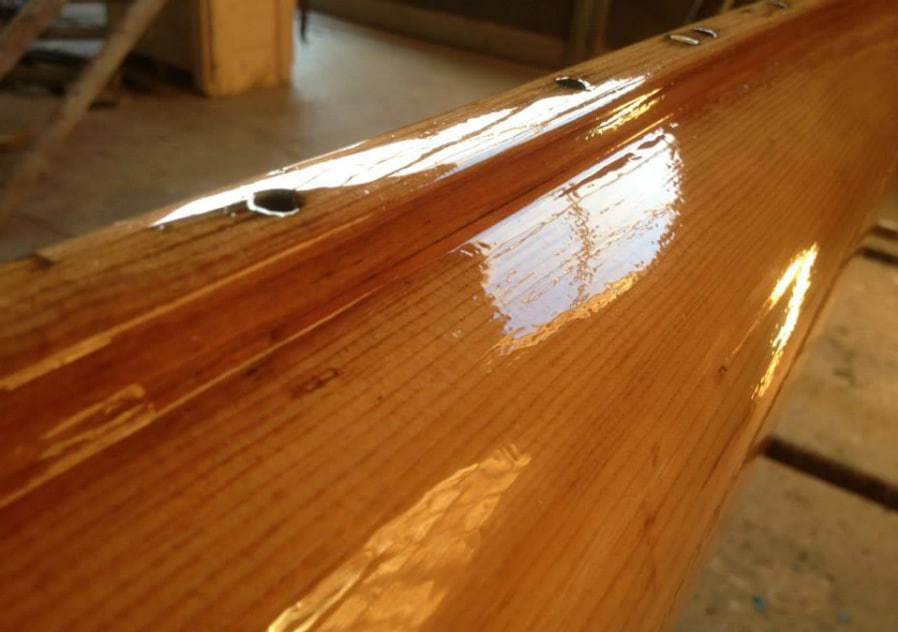
If you’ve used resin to repair cracks or damage in wooden beams, achieving a smooth, even finish is key to a professional restoration. One common question is whether you can sand resin after it has been applied to wood.
When Can You Sand Resin on Wood?
You can safely sand a resin wood repair once the resin has fully cured. Check the manufacturer’s instructions for the recommended curing time—this can vary depending on the product, temperature, and humidity. Attempting to sand before the resin is completely set can result in a sticky surface and possible unevenness.
For example, products like EpoxyWood are designed to create durable, sandable repairs on timber, but patience during the curing stage will give you the best outcome.

How to Achieve a Smooth Finish
Once fully cured, you can sand the resin to match the level of the surrounding wood. Start with a medium grit sandpaper (around 120 grit) to shape the area, then move to a finer grit (such as 220) for a smooth, paint- or seal-ready surface. Ensure you sand gently to avoid removing too much resin or damaging the wood around the repair.
- Wear a mask to avoid inhaling dust.
- Use even, light pressure for best results.
- Once smooth, the area can be painted, stained, or sealed as needed.
Choosing the Right Resin for Sanding
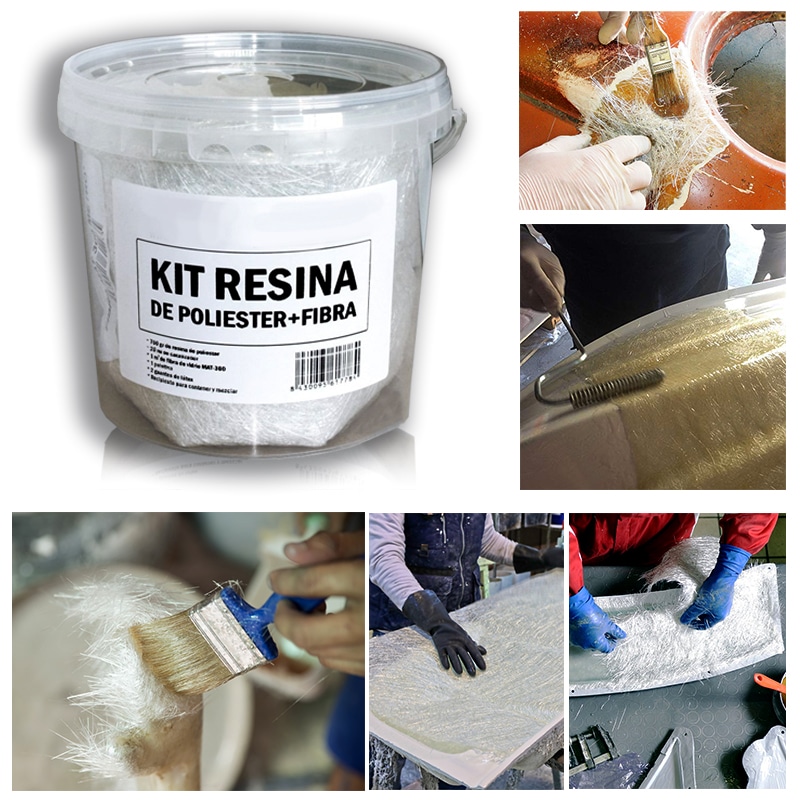
Not all resins sand equally well. Opt for a product intended for wood repairs and sanding, like CROP 2K Fiberglass Putty for filling deep cracks and achieving a robust, sandable repair. For large structural issues, consider resin kits that include fillers or fibreglass reinforcement for added strength and a workable surface.
Related products
Related guides
Sanding over resin is a straightforward step in wooden beam restoration that creates a seamless look ready for finishing. For further guidance on repairing cracks in wooden beams with resins, see our main resource for step-by-step solutions and recommended products.