 Free shipping on orders over £29,85
  Shipping Tracking!


 Google
 Facebook
← Back to How do you use E-30 water effect resin?
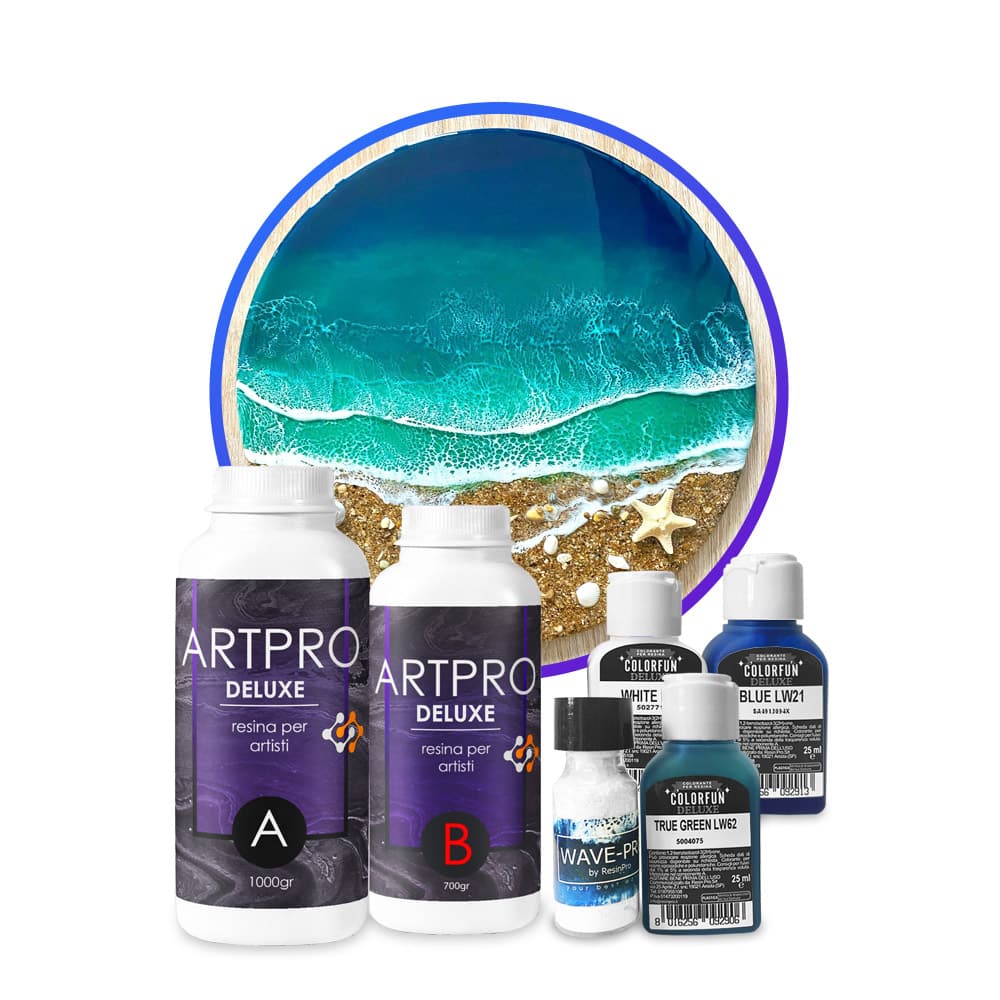

If you’re hoping to create water-inspired resin art, you may be wondering whether E-30 water effect resin can be used on wood or canvas. Great news—E-30 resin suits both surfaces when prepared correctly, allowing for striking art projects and layered ocean scenes.
Preparing Wood and Canvas for E-30 Resin
Before applying E-30 resin to wood or canvas, ensure your surface is stable, level, and well-sealed. For wood, sand the surface smooth and seal it with an appropriate primer or resin sealer to prevent air bubbles and unwanted absorption. For canvas, always use stretched, acid-free canvas and apply a thorough coat of gesso or acrylic sealer to avoid sagging and leakage. Level your work area carefully, as resin self-levels and can pool at the lowest point.


Application Tips for Best Results
Pour E-30 resin slowly and spread evenly using a spatula or gloved hand. Work in a dust-free environment and consider using a torch or heat gun briefly to release surface bubbles after pouring. It’s best to build up layers if you want depth or wave effects—let each layer partially cure before adding the next. For those new to ocean art, a dedicated kit such as the “Sea” Resin Kit can provide resin, pigments, and canvas for cohesive results.
When This Matters Most
Using E-30 resin on wood or canvas is ideal for anyone crafting seascapes, abstract art, or glossy coatings with unique depth. Proper preparation ensures strong adhesion and a smooth, glass-like finish, making your artwork stand out and last.

Related products
Related guides
Exploring resin on wood or canvas opens up endless creative options. For more tips and inspiration on mastering E-30 water effect resin, return to our main guide on using E-30 water effect resin.