 Free shipping on orders over £29,85
  Shipping Tracking!


 Google
 Facebook
← Back to Epoxy resin: which applications should be avoided?

Proper surface preparation is essential for achieving a lasting, professional result with epoxy resin. Using epoxy on moist or dirty surfaces can undermine your entire project and lead to early failure.
Why Dry and Clean Matter
Epoxy resin is designed to form a strong mechanical bond with the surface it covers. Moisture or contaminants, such as dust, oils, or residues, act as barriers, preventing this bond. When applied over such surfaces, the epoxy may peel, bubble, or fail entirely with time—wasting both your materials and effort.


How to Prepare Surfaces for Epoxy Application
- Ensure dryness: Use a moisture meter if necessary, especially for porous materials like wood. Even seemingly dry surfaces can retain hidden moisture.
- Clean thoroughly: Sand any glossy finishes, vacuum away debris, and wipe down with a lint-free cloth. Remove grease or residues with suitable cleaners but allow surfaces to dry completely before coating.
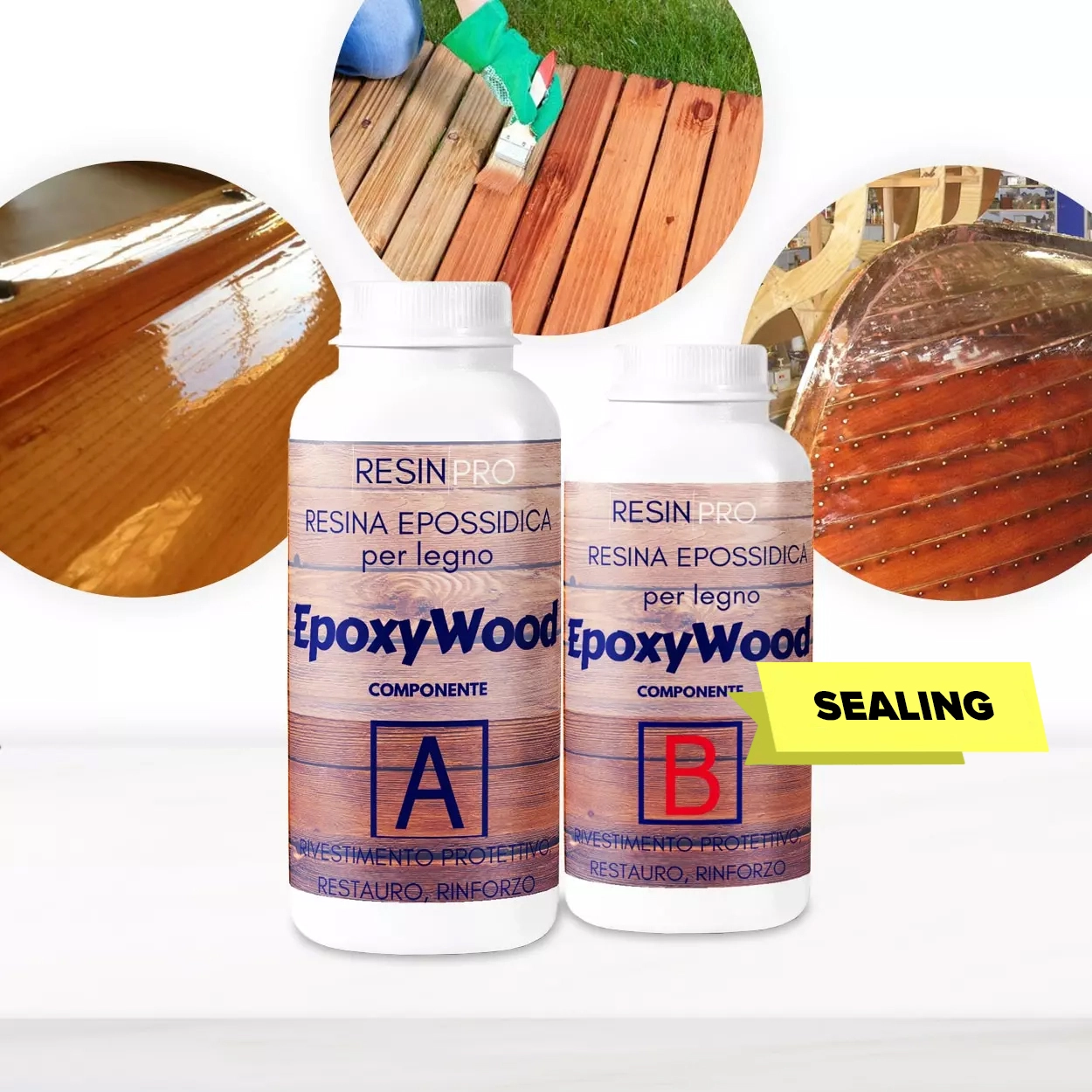
- Choose the right product: For wood restoration, EpoxyWood is designed specifically to penetrate and reinforce dry, prepped wood fibres.
When This Matters Most
Strict surface preparation is especially crucial for sealing wood, coating food contact items, and any project where durability is a priority. Neglecting these steps on kitchenware, art panels, or furniture can significantly shorten the lifespan of your work.

Related products
Related guides
By making surface preparation a priority, you ensure your epoxy projects are robust and long-lasting. For further advice on perfecting your application and knowing which situations to avoid, see our main guide on epoxy resin best practices.