 Free shipping on orders over £29,85
  Shipping Tracking!


 Google
 Facebook
← Back to How do you work marble powder and epoxy resin?
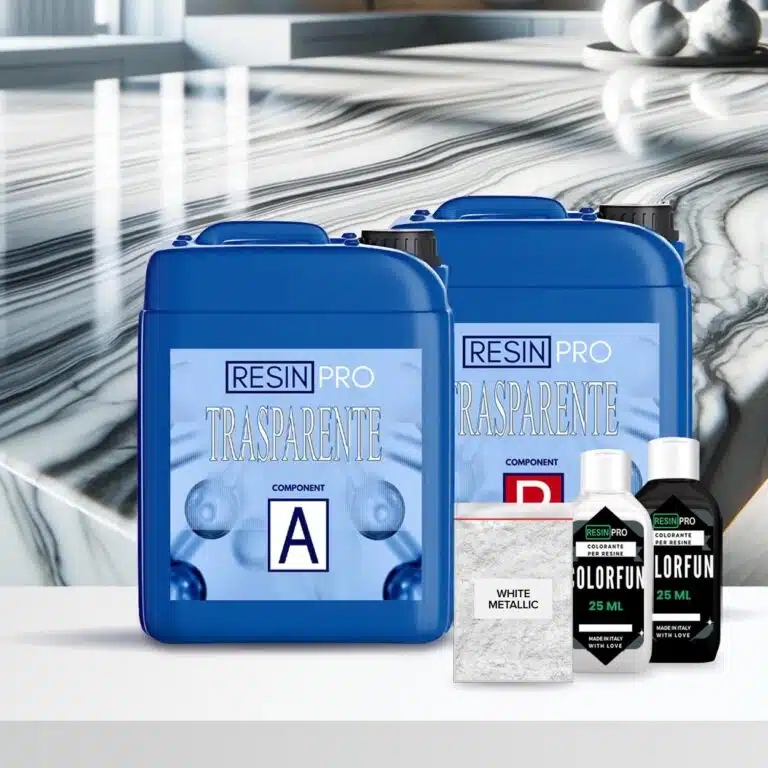
Applying marble powder and epoxy resin to vertical surfaces is a popular option for repairs, restoration, or bespoke finishes. However, working against gravity calls for special attention to technique and product selection to achieve a smooth, slump-free finish.
Choosing the Right Epoxy for Vertical Application
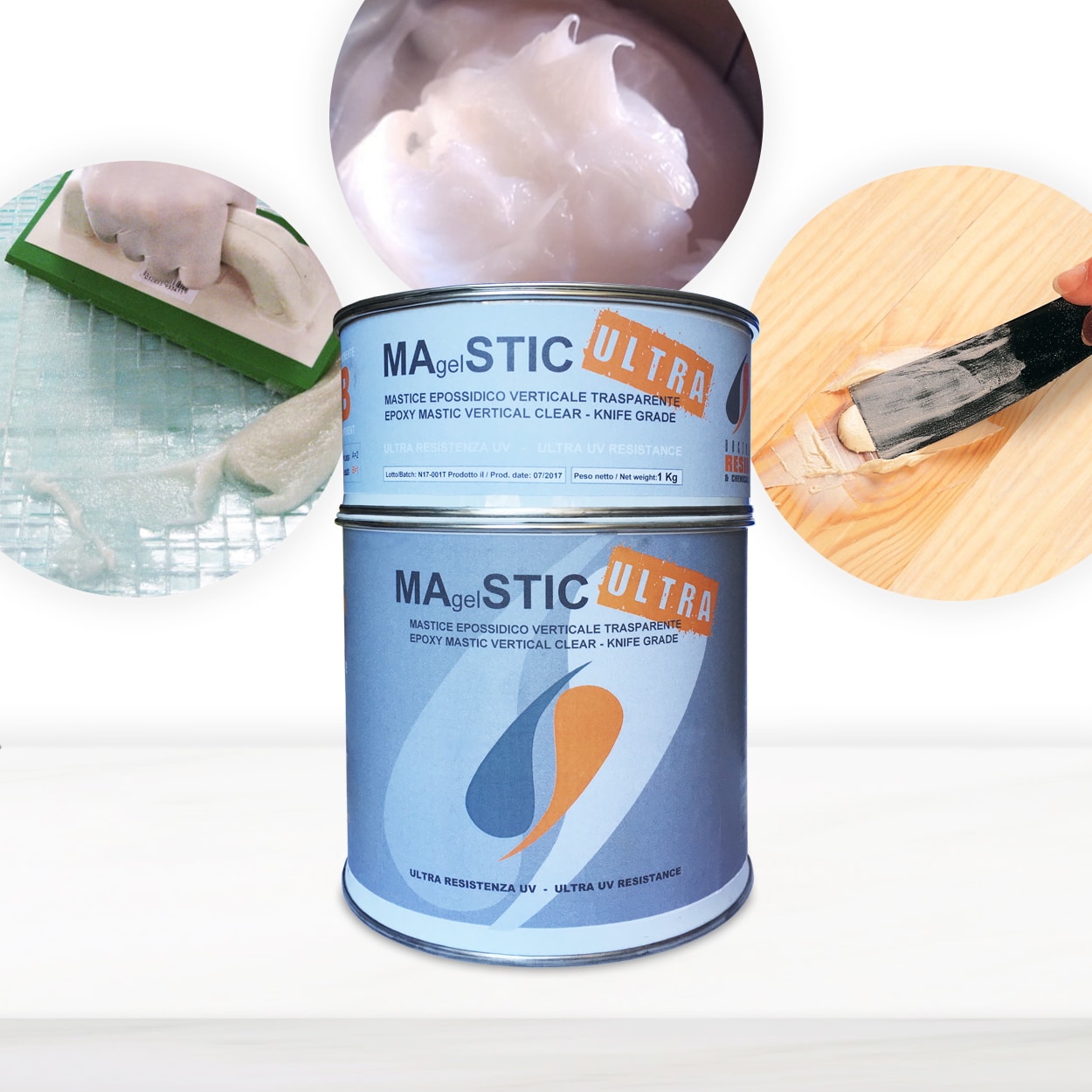
Ordinary epoxy resin mixtures may run or drip when applied to upright areas. To address this, a thixotropic epoxy mastic such as Magelstick Epoxy Mastic is a wise choice. Its thicker, paste-like consistency is engineered to stay put on vertical surfaces and fill gaps without slumping. This type of mastic is especially suitable for bonding or filling work on natural stone, marble, or cement, including detailed restoration jobs or tile repairs.

Application Tips for Best Results
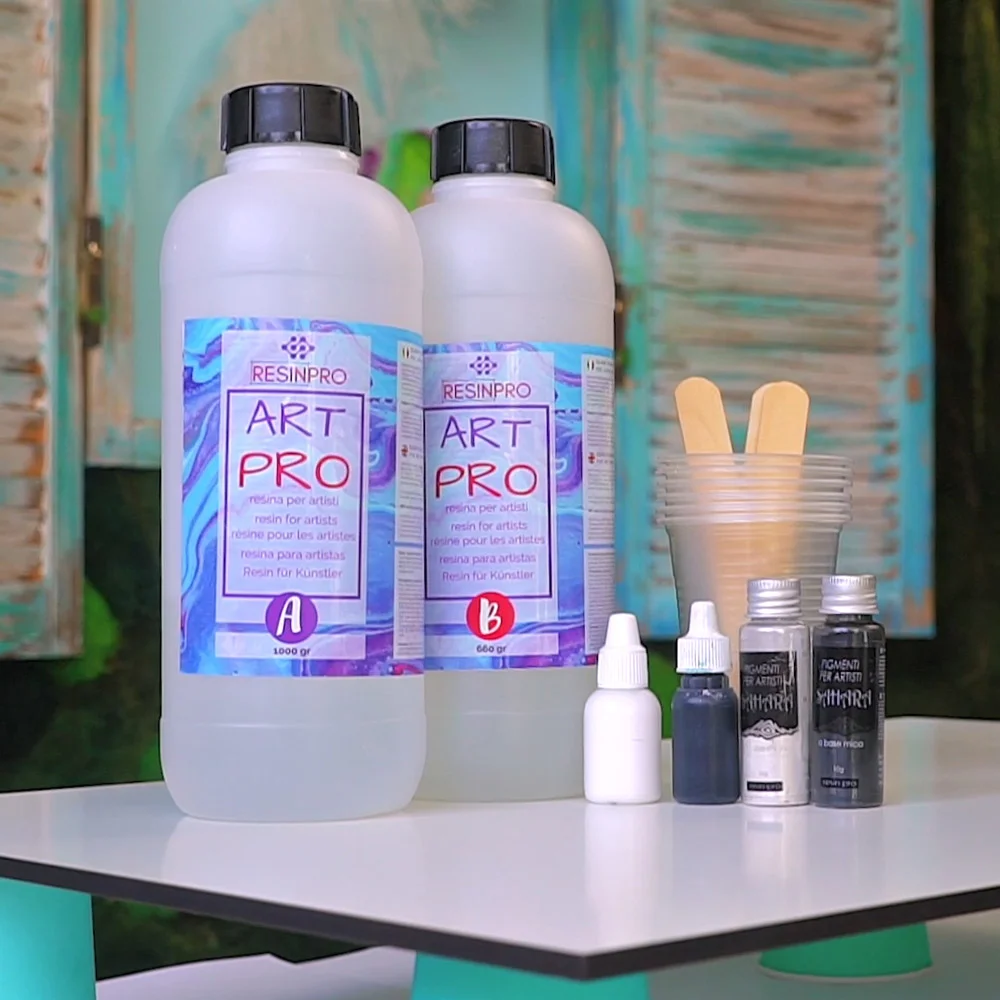
Preparation is key—be sure your surface is clean and free from dust or oils. Mix small batches of the resin and marble powder according to product instructions, which for Magelstick involves a 100:50 ratio by weight. Apply the mixture with a spatula or trowel, working swiftly to shape and smooth before it begins to set. Ensure your workspace stays above 10°C for optimal curing. Smooth any excess for a flat, uniform finish that blends seamlessly with surrounding material.
When Vertical Support Matters
These methods matter most when repairing vertical stonework, filling wall cracks, or joining marble sections prone to shifting. Thixotropic epoxy ensures the compound remains firmly in place, providing robust mechanical strength and minimising shrinkage for a lasting repair.
Related products
Related guides
Mastering the use of marble powder and epoxy resin on vertical surfaces allows for creative finishes and strong repairs without sagging or mess. For a broader guide to marble and resin techniques, visit our main advice page on how to work marble powder and epoxy resin.