 Free shipping on orders over £29,85
  Shipping Tracking!


 Google
 Facebook
← Back to What are synthetic resins derived from?
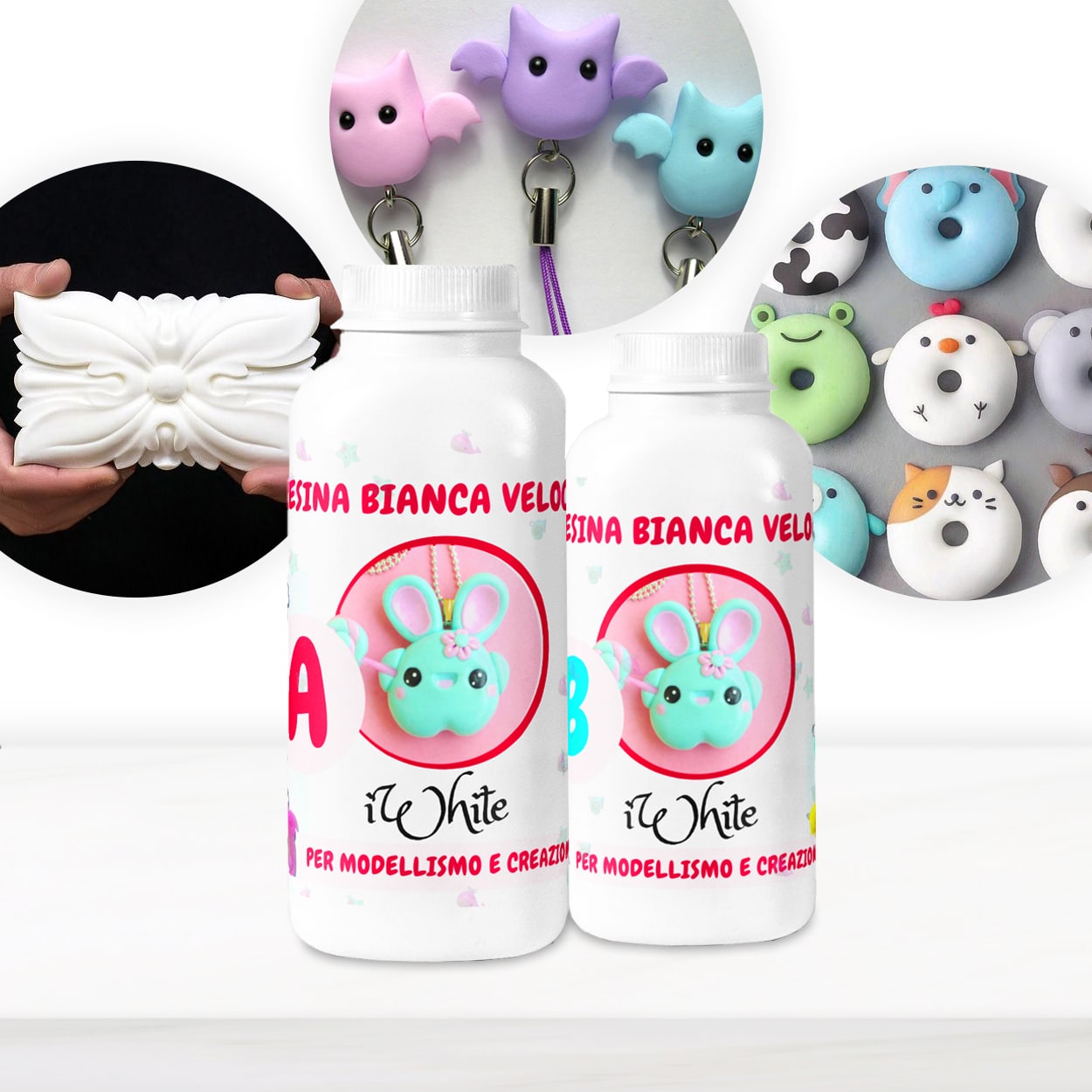
Polyurethane casting resin is a popular choice for crafting jewellery and small decorative pieces, valued for its ability to reproduce intricate details and its fast-curing properties. If you are considering this material for your next project, here is what you need to know to achieve professional results.
Suitability of Polyurethane Resin for Jewellery
Polyurethane resin works exceptionally well for jewellery making, especially when fine detail is needed. Its low viscosity means it flows easily into complex moulds, capturing delicate features for items like charms, pendants, and beads. Compared to other resins, polyurethane sets rapidly—often within about 30 minutes—allowing you to produce multiple pieces in a short timeframe.


Tips for Crafting with Polyurethane Resin
- Work quickly: Polyurethane resins tend to cure fast, so have your moulds, pigments, and tools ready before mixing.
- Colour options: Many polyurethane resins can be tinted or painted after curing, giving you flexibility in finishing your jewellery. For instance, the IWhite Polyurethane Casting Resin is both colourable while liquid and paintable once cured.
- Use precise moulds: Silicone moulds are ideal for fine details and smooth finishes.
- Ventilation and safety: Always follow the supplier’s recommendations for safe handling and proper ventilation when mixing and curing resin.
When Polyurethane Resin Matters Most
If you need to cast multiple detailed items quickly or want a durable, professional-looking finish, polyurethane resin is an excellent option. It is ideal for designers and hobbyists who value speed and detail in their creations.

Related products
Related guides
Using polyurethane resin for jewellery can open up new creative possibilities, thanks to its fast-curing and detail-capturing abilities. For more on synthetic resin origins and their diverse applications, explore our main guide on what synthetic resins are derived from.