 Free shipping on orders over £29,85
  Shipping Tracking!


 Google
 Facebook
← Back to How to use Martini resin for car exhaust repairs
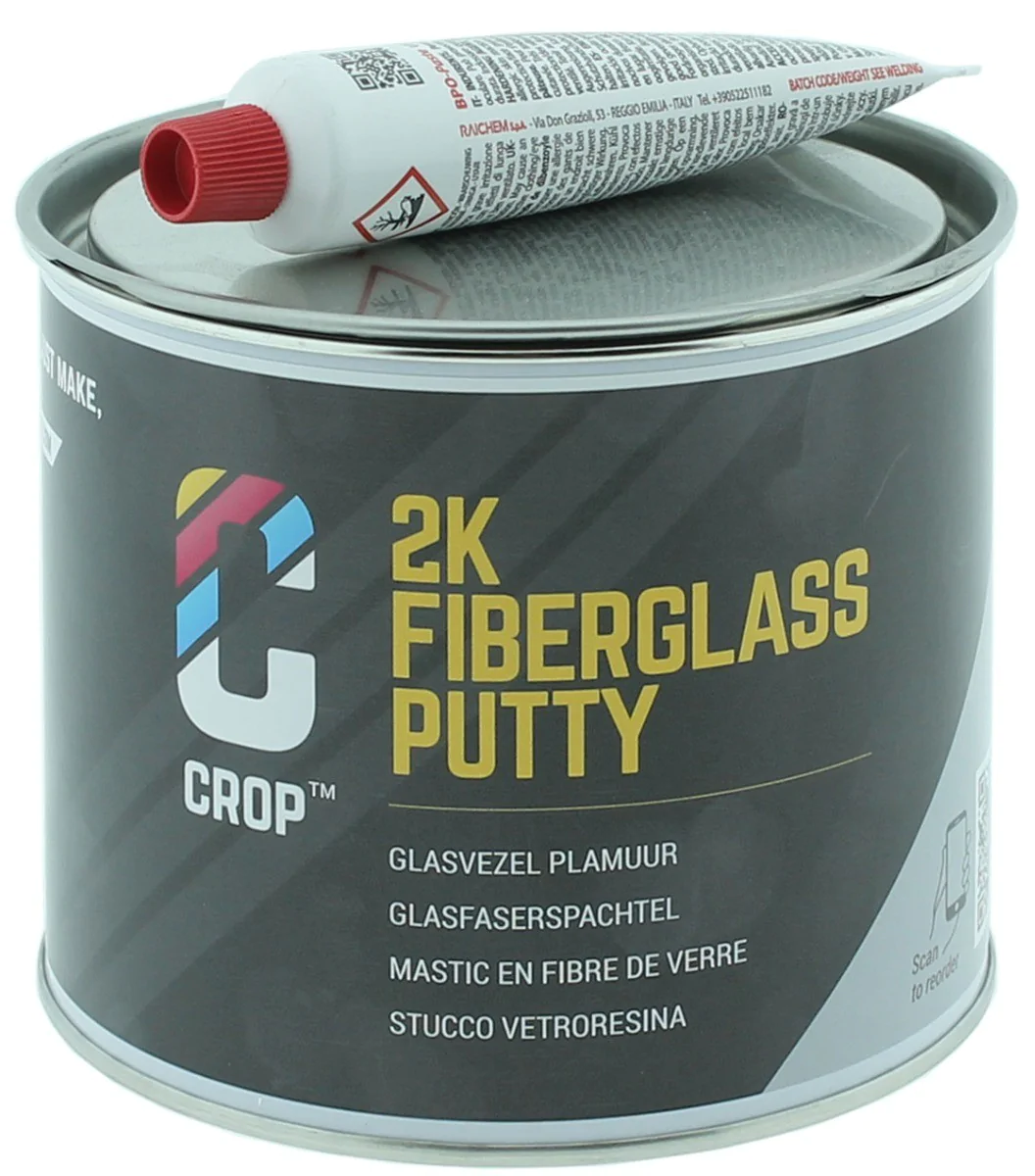
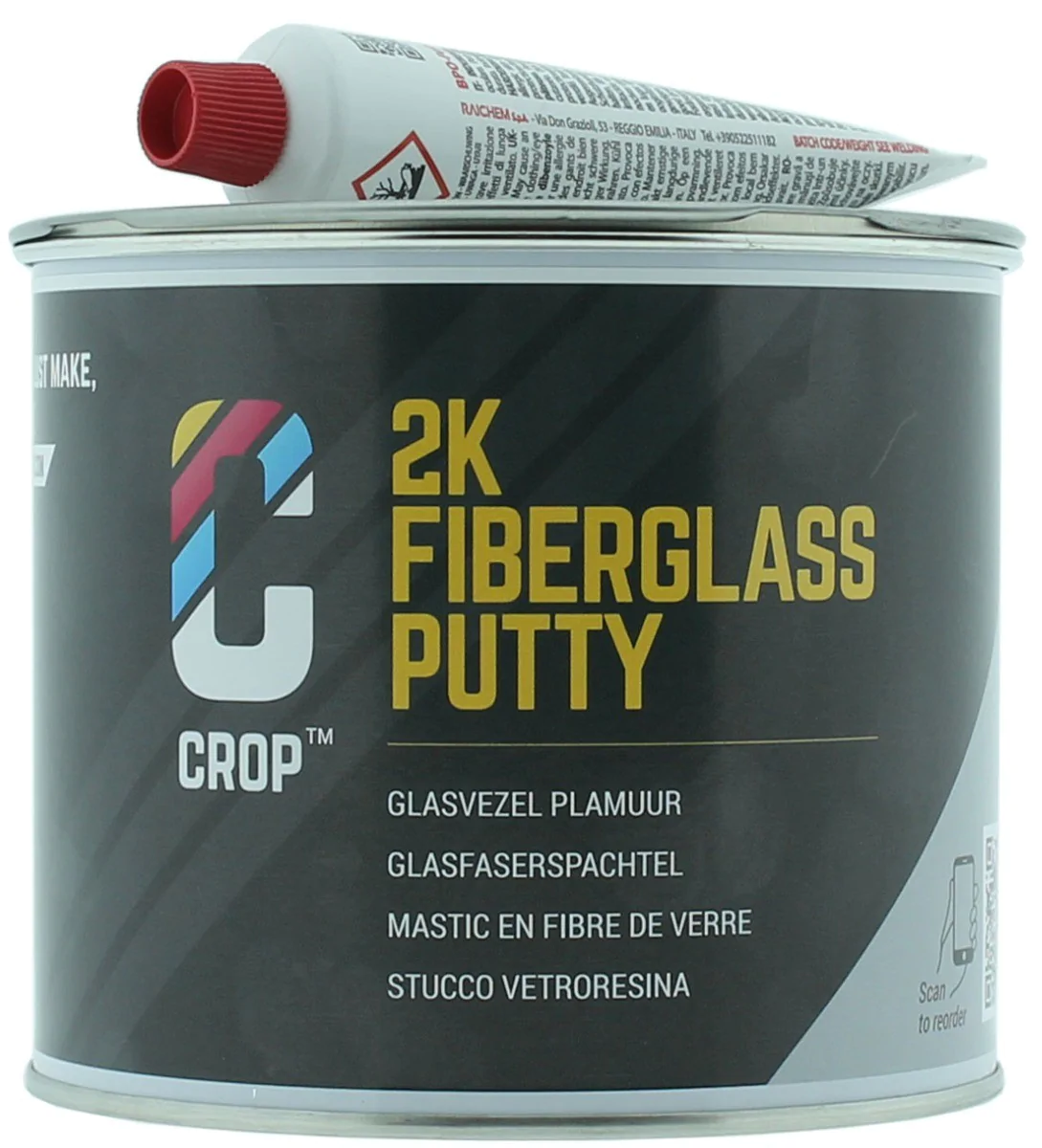
If you’re considering repairs to your car’s exhaust, you may be wondering if Martini resin can hold up under the heat generated while driving. Understanding the right approach ensures durable fixes and safe results.
How Martini Resin Handles Heat Exposure
Martini resin, especially when reinforced with fibreglass, offers reliable resistance for car exhaust applications. After curing completely and being applied with appropriate reinforcement, it can withstand the high temperatures encountered in most exhaust repair scenarios. However, it’s essential to check the resin’s specifications for its maximum temperature tolerance and ensure it matches your vehicle’s requirements.
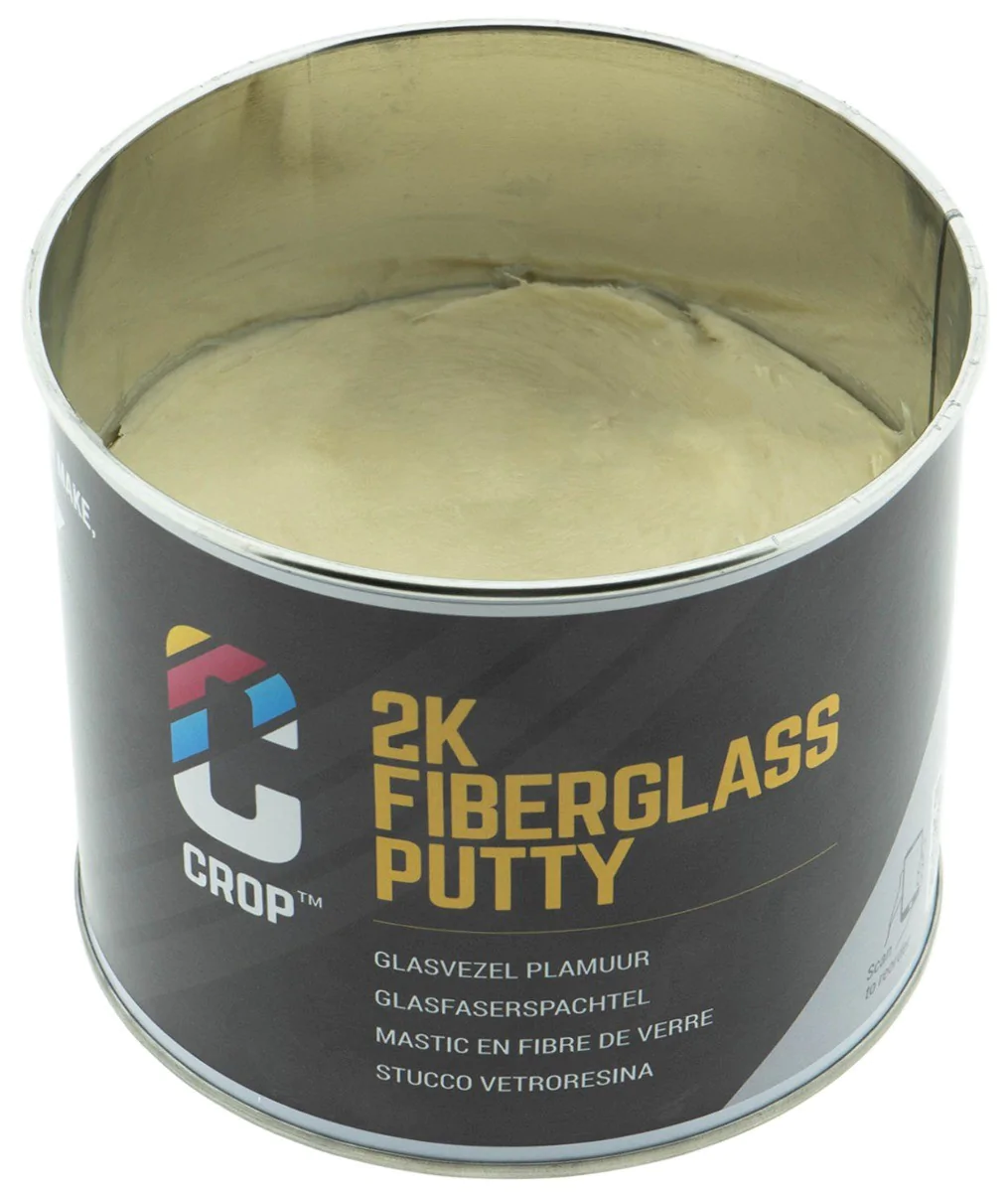
While polyester-based resins and reinforced putties such as CROP 2K Fiberglass Putty provide extra durability under both heat and vibration, always allow the resin or putty to cure fully before exposing it to thermal stress to ensure long-lasting results.

Getting the Best Results: Application and Reinforcement
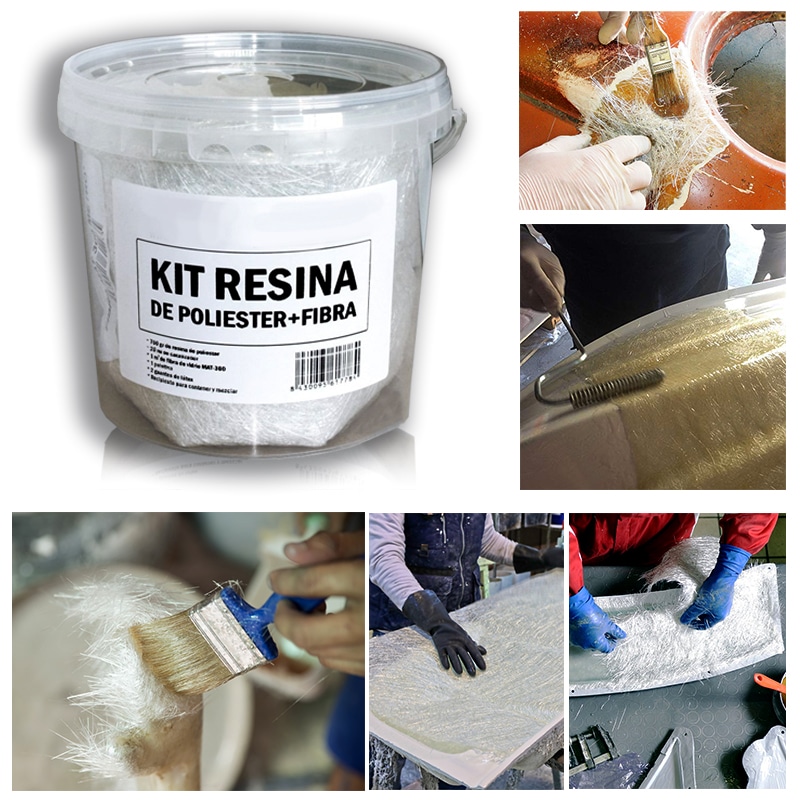
Proper preparation and reinforcement are key. Clean and degrease the exhaust area thoroughly, then apply the resin or fibreglass-reinforced putty, following the manufacturer’s instructions. The inclusion of fibreglass matting or reinforcement increases the stability of the repair, helping resist both the intense heat and the vibrations from everyday driving. Allow ample curing time at room temperature, as rushing this step reduces the effectiveness of the repair.
- Use adequate fibreglass reinforcement for larger holes or cracks
- Ensure all surfaces are thoroughly cleaned prior to application
- Always check that the patch is completely set before heat exposure
When This Matters Most
Using a heat-resistant, reinforced resin is especially important if your repair is in an area consistently exposed to hot exhaust gases or regular road vibrations, such as joints, bends, or previous weld repairs. In these cases, thorough curing and appropriate reinforcement help maintain the integrity of the fix for longer.
Related products
Related guides
Choosing the right resin and reinforcing method for exhaust repairs makes a real difference to the longevity and safety of your fix. For more tips and a detailed repair process, see our main guide on using Martini resin for car exhaust repairs.