 Free shipping on orders over £29,85
  Shipping Tracking!


 Google
 Facebook
← Back to Where to buy resins?
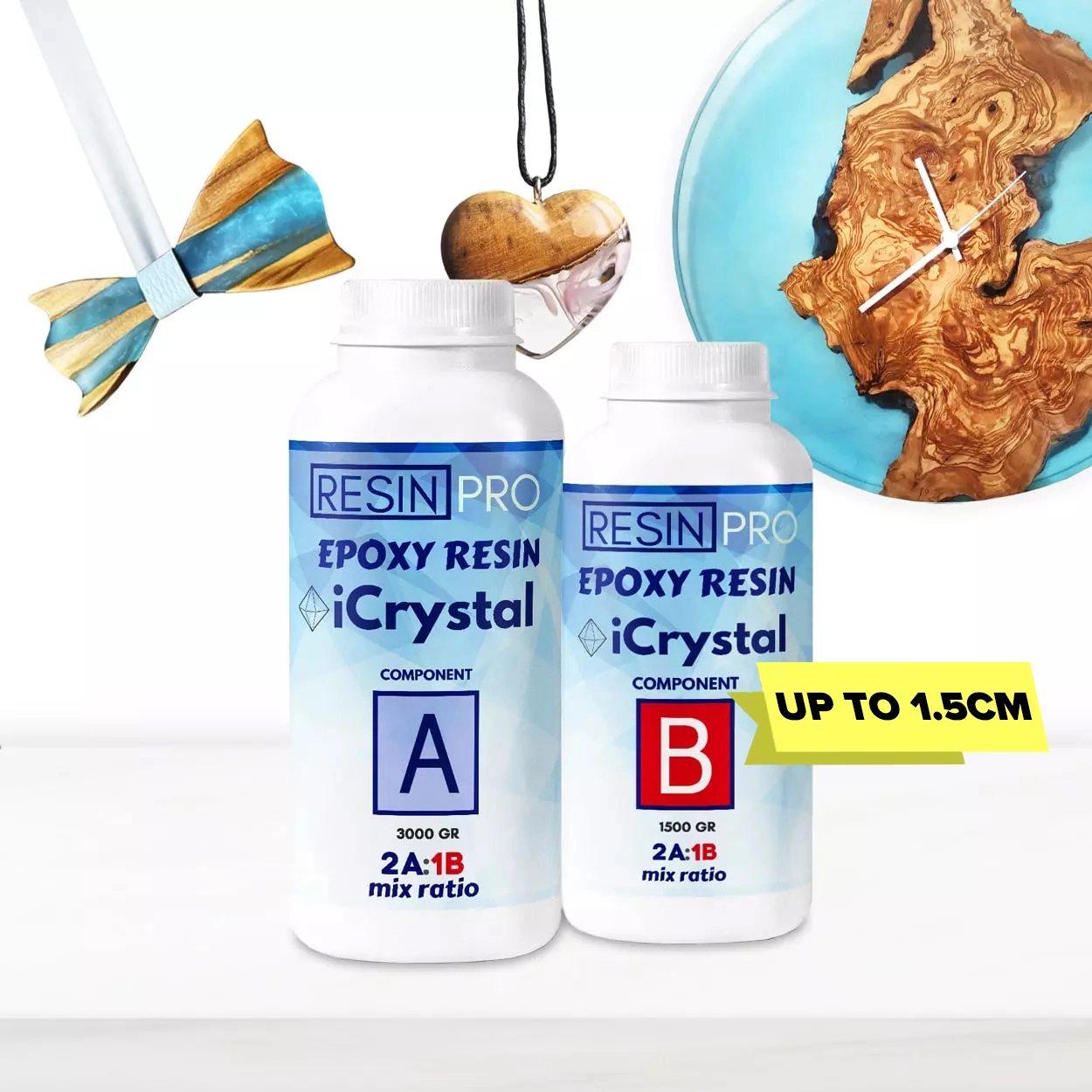

Epoxy resin is a popular choice for both functional and artistic projects thanks to its superb adhesion to many materials. If you’re wondering whether it can be used on wood, stone, ceramics or fabrics, read on for guidance and tips for successful results.
Epoxy Resin Compatibility With Different Materials
Modern epoxy resins are designed to bond securely to a wide range of surfaces. Quality resins like Icrystal and Trasparente adhere well to porous woods, dense stones, glazed or unglazed ceramics, as well as textiles. Whether you are sealing a table, creating art, or encasing keepsakes in resin, these surfaces all provide a base for a durable and glossy finish.


Tips for Applying Epoxy Resin to Wood, Stone, Ceramics and Fabric
- Prepare Surfaces: Ensure the material is clean, dry, and free of dust or oils. Lightly sanding wood, stone, or ceramics can improve resin adhesion.
- Primer/Sealant: For especially porous or absorbent surfaces like raw wood and fabric, consider applying a sealing coat of resin to prevent bubbles and uneven absorption.
- Mix Carefully: Follow the product’s recommended mixing ratios and instructions for the best results.
- Test First: If working on an unfamiliar surface, try a small area first to check for compatibility and finish quality.
When This Matters
Choosing the right resin and preparation steps is key for projects that will see frequent use or need to be admired up close—such as table tops, decorative ceramics, or intricate artworks on fabric. The durability and clarity of resins like Icrystal are particularly valued where a lasting, scratch-resistant finish is needed.

Related products
Related guides
Epoxy resin offers creative freedom and robust results across wood, stone, ceramics and fabrics when chosen and applied properly. For more buying advice and product recommendations, return to our Where to Buy Resins? guide.