 Free shipping on orders over £29,85
  Shipping Tracking!


 Google
 Facebook
← Back to How do you remove epoxy resin from wood?
Considering using solvents to remove epoxy resin from wood? While this may seem like an easy shortcut, it’s important to understand the impact on your timber projects and discover safer, more effective approaches.
Risks of Using Solvents on Wood
Most strong solvents can damage or discolour wood surfaces, leaving permanent marks or weakening the fibres. Solvents designed to dissolve resin are often too harsh for wood and may not even remove fully cured epoxy effectively. Such chemical treatments can also strip natural oils or finishes from the wood, making them unsuitable for most renovation or repair work.
Safe and Effective Resin Removal Methods
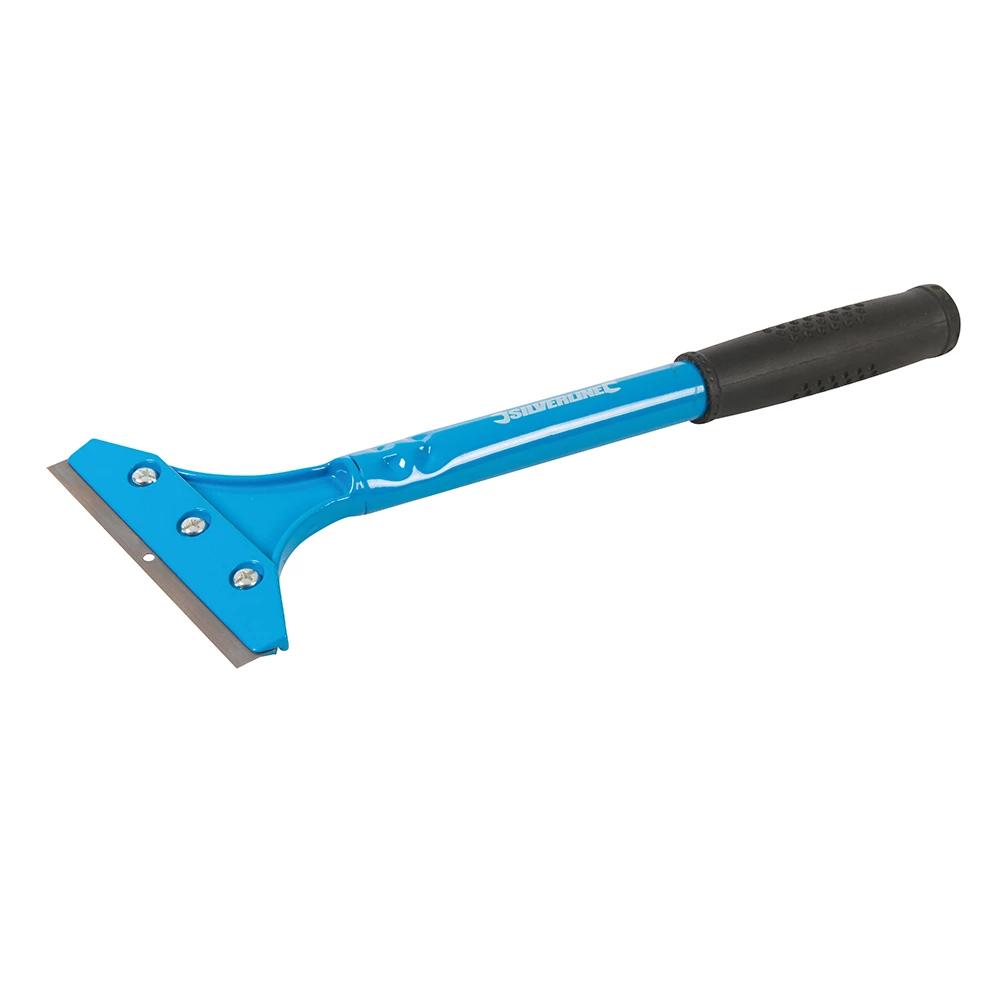
Instead of solvents, physical removal is preferred for epoxy on wood. Manual scraping with a sharp-bladed tool, like the Heavy Duty Scraper for Paint and Epoxy Resin Removal, is safer and offers more control. Start by gently working the edge under the resin and gradually lifting it off. For stubborn spots, a lightweight scraper helps reduce fatigue without risking damage to the wood underneath.
When to Consider Solvents – and When Not To
Solvents should only ever be a last resort, if at all. For delicate or valuable wooden surfaces, stick to mechanical removal. Only use minimal amounts of a mild solvent for final residue, and always test in an inconspicuous area first. Avoid aggressive products altogether to protect the appearance and structural integrity of your wood.
Related products
Related guides
Tackling unwanted epoxy resin on wood doesn’t need to mean risking the surface with harsh chemicals. Manual scraping remains the safest approach—visit our main guide on how to remove epoxy resin from wood for more practical tips and product recommendations.