 Free shipping on orders over £29,85
  Shipping Tracking!


 Google
 Facebook
← Back to How is epoxy resin obtained?
Epoxy resins are versatile materials, but not all resins are suitable for every type of project. Choosing the right resin makes a significant difference to both results and safety.
Why Epoxy Resin Selection Matters
Performance requirements vary widely depending on your project. For example, decorative floors exposed to sunlight benefit from a UV-resistant binder, while coatings for food-contact surfaces require certified, food safe options. Using a general-purpose resin for kitchen worktops or exterior wood may compromise durability or introduce unnecessary risks. Resins differ in properties like flexibility, clarity, chemical resistance and safety, so the same product rarely fits every purpose.
How to Match Resin to Your Project
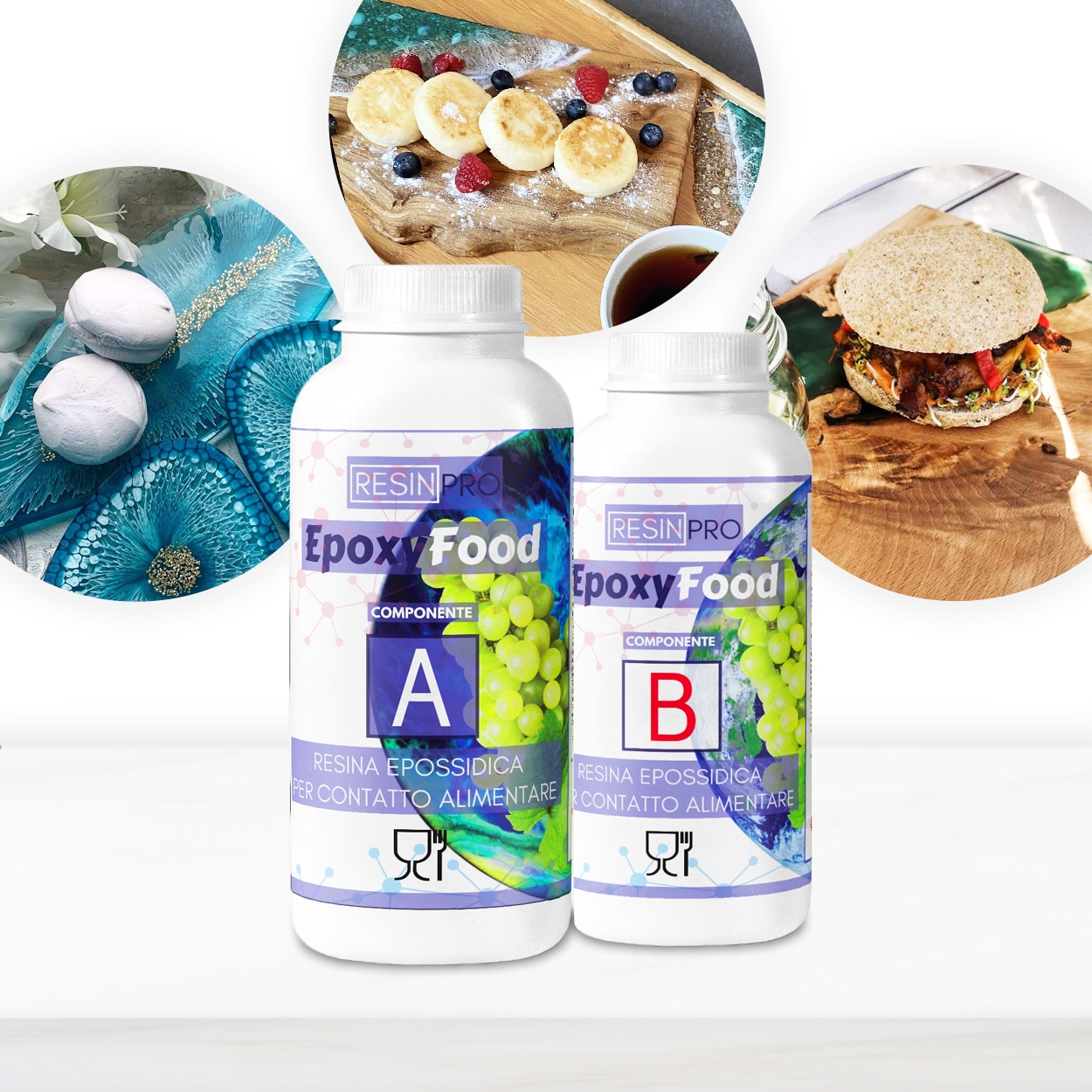
- Food-safe uses: Opt for certified resins like EpoxyFood when coating items that touch cold snacks or kitchen surfaces.
- Outdoor or decorative flooring: Choose a UV-resistant, non-yellowing binder such as Trasparente Epoxy Binder for pebble and gravel installations.
- Wood repair and waterproofing: Use a deeply penetrating resin like EpoxyWood to restore and protect timber, especially for marine or garden applications.
When This Matters
Careful resin selection becomes essential where safety, appearance or longevity are concerns—such as food prep surfaces, outdoor art, flooring exposed to weather, or reinforced wood subject to moisture. Always refer to each resin’s usage notes before starting any project.
Related products
Related guides
In summary, using the correct resin ensures both the quality and safe performance of your finished project. To learn more about epoxy chemistry and sourcing, visit our main page on how epoxy resin is obtained.