 Free shipping on orders over £29,85
  Shipping Tracking!


 Google
 Facebook
← Back to How do you make resin for wood?
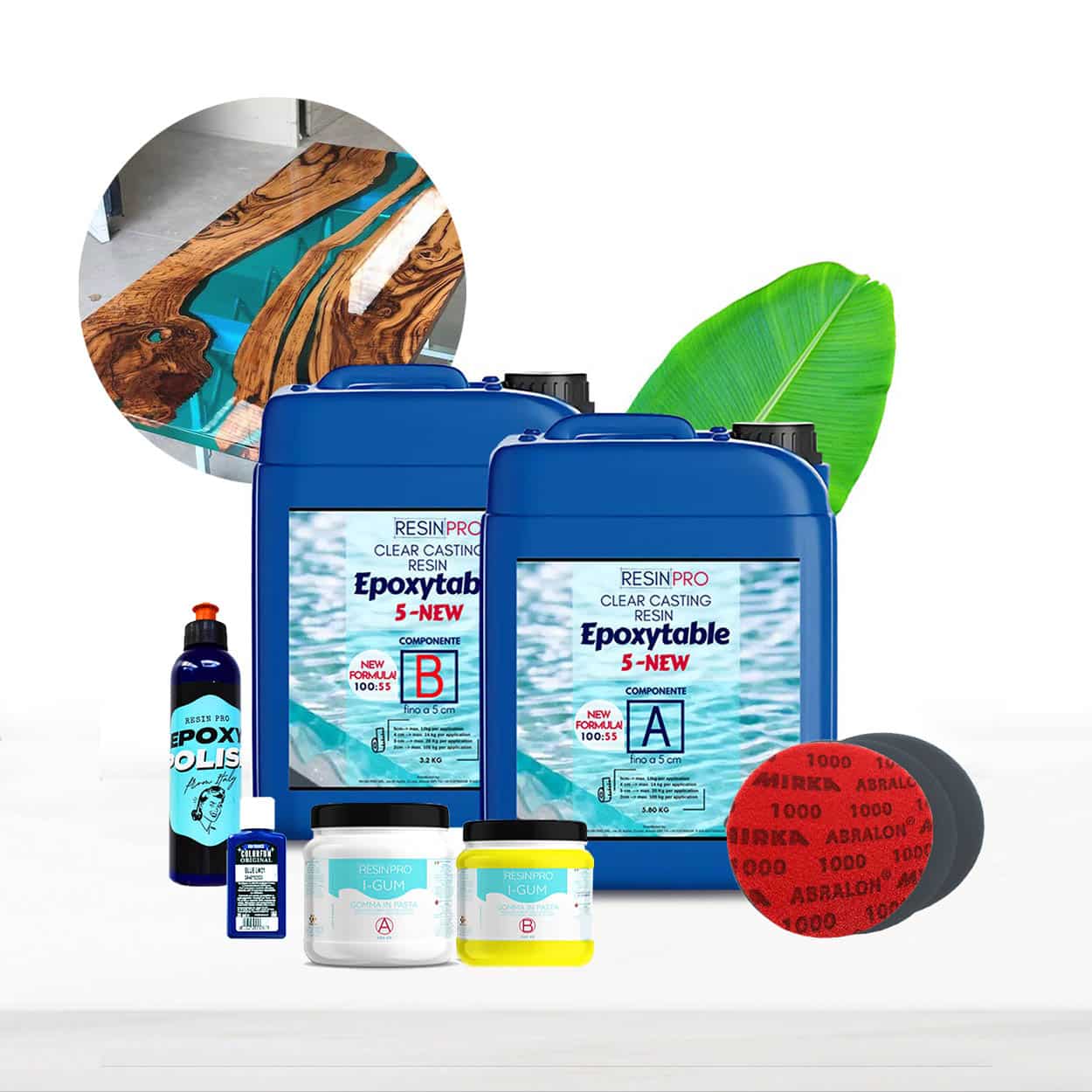
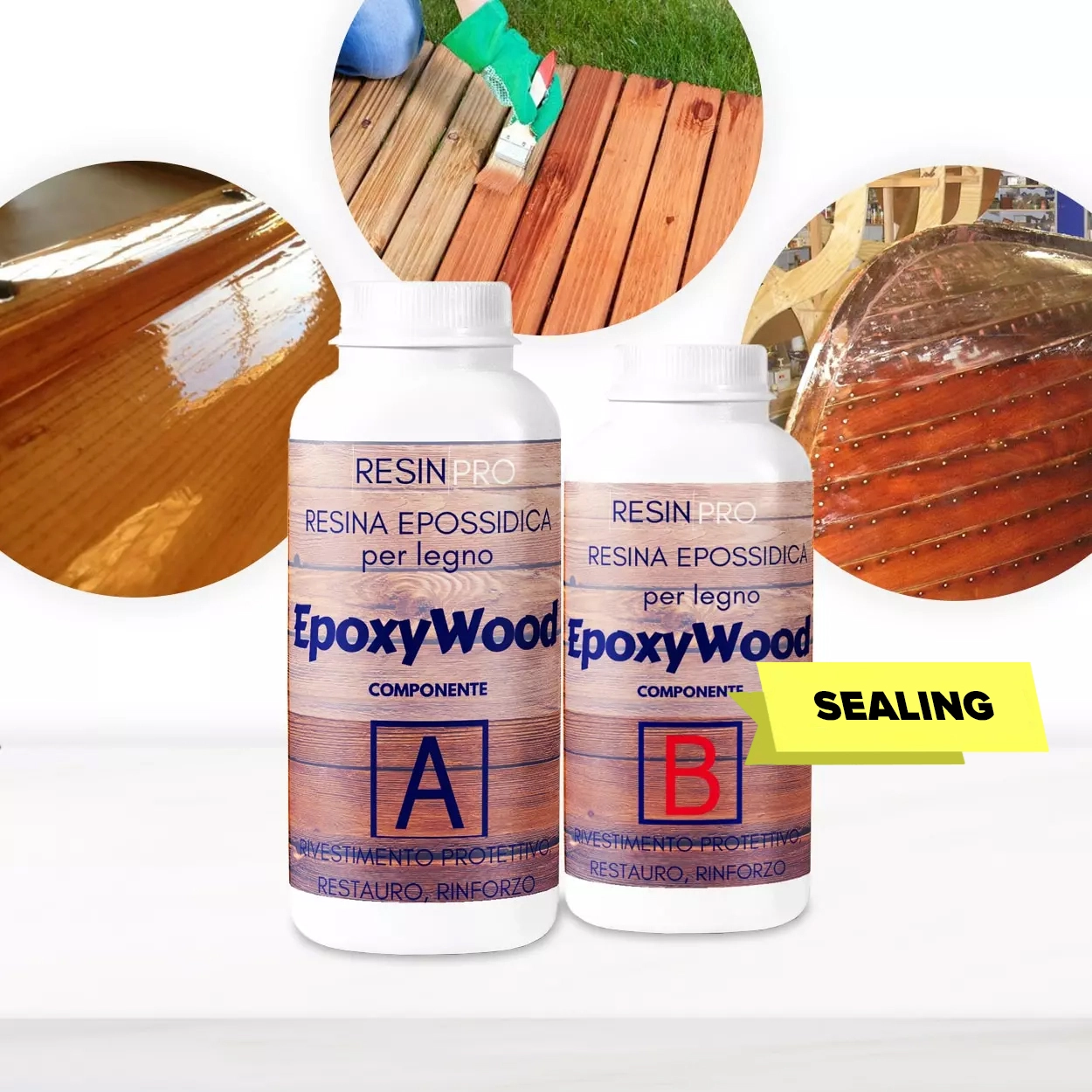
Thick cast resins open up creative possibilities in woodwork, especially for statement pieces like river tables. But their suitability depends on the project at hand.
Where thick cast resins truly shine
These resins are formulated for deep pours, maintaining clarity in thick layers and reducing the risk of bubbles or heat damage. They’re the resin of choice for projects involving wood with large infill areas, such as river tables, embedded artwork, or decorative slabs. When working within recommended thickness – for example, up to 5cm with EpoxyTable 5-Five – thick cast resins create stunning visual effects and a robust, glass-like surface.
When a different resin is better
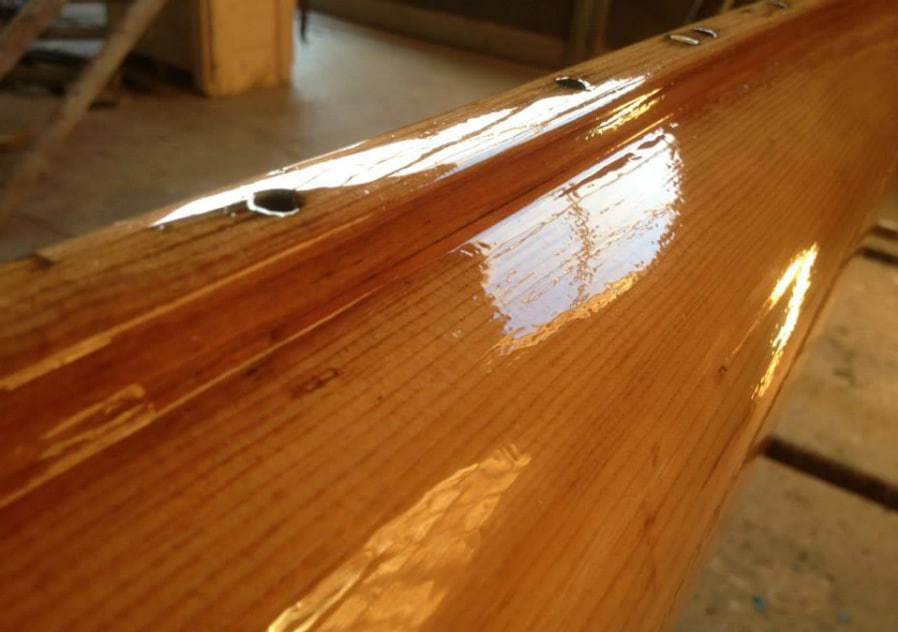
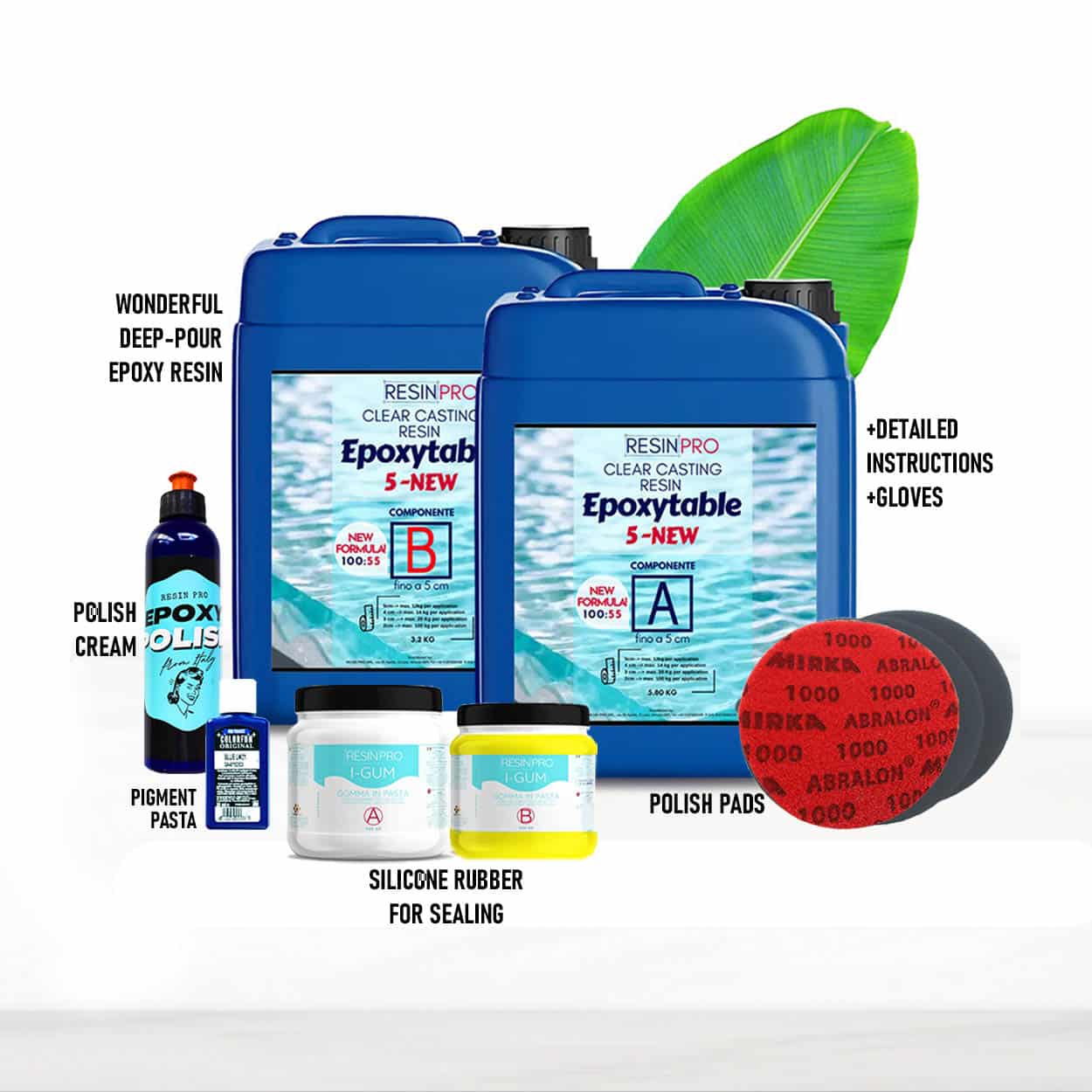
Not all wood projects benefit from a thick pour. For restoring, sealing, or reinforcing wooden surfaces, a deep-penetrating resin like EpoxyWood is more effective. These products are especially formulated to soak into wood fibres, protect against moisture, and strengthen the structure—something a thick cast resin would not achieve as efficiently.
Choosing the right resin for your project
- For deep, decorative pours (river tables, art pieces): Opt for a thick cast resin, poured in layers if beyond the recommended thickness.
- For repairs, sealing, or restoration: Use a low-viscosity, penetrating resin designed to reinforce wood and lock out water.
- Always check the manufacturer’s recommendations for maximum pour depth and application advice.

When this matters
Matching your resin type to your project ensures best results, avoids wasted materials, and preserves the longevity of your work—whether you’re building a centrepiece table or restoring treasured timber.
Related products
Related guides
Choosing between thick cast and penetrating resins is all about understanding your wood project’s needs. For more insights and step-by-step advice, see our main guide on how to make resin for wood.