 Free shipping on orders over £29,85
  Shipping Tracking!


 Google
 Facebook
← Back to Where can you buy resin for jewellery?
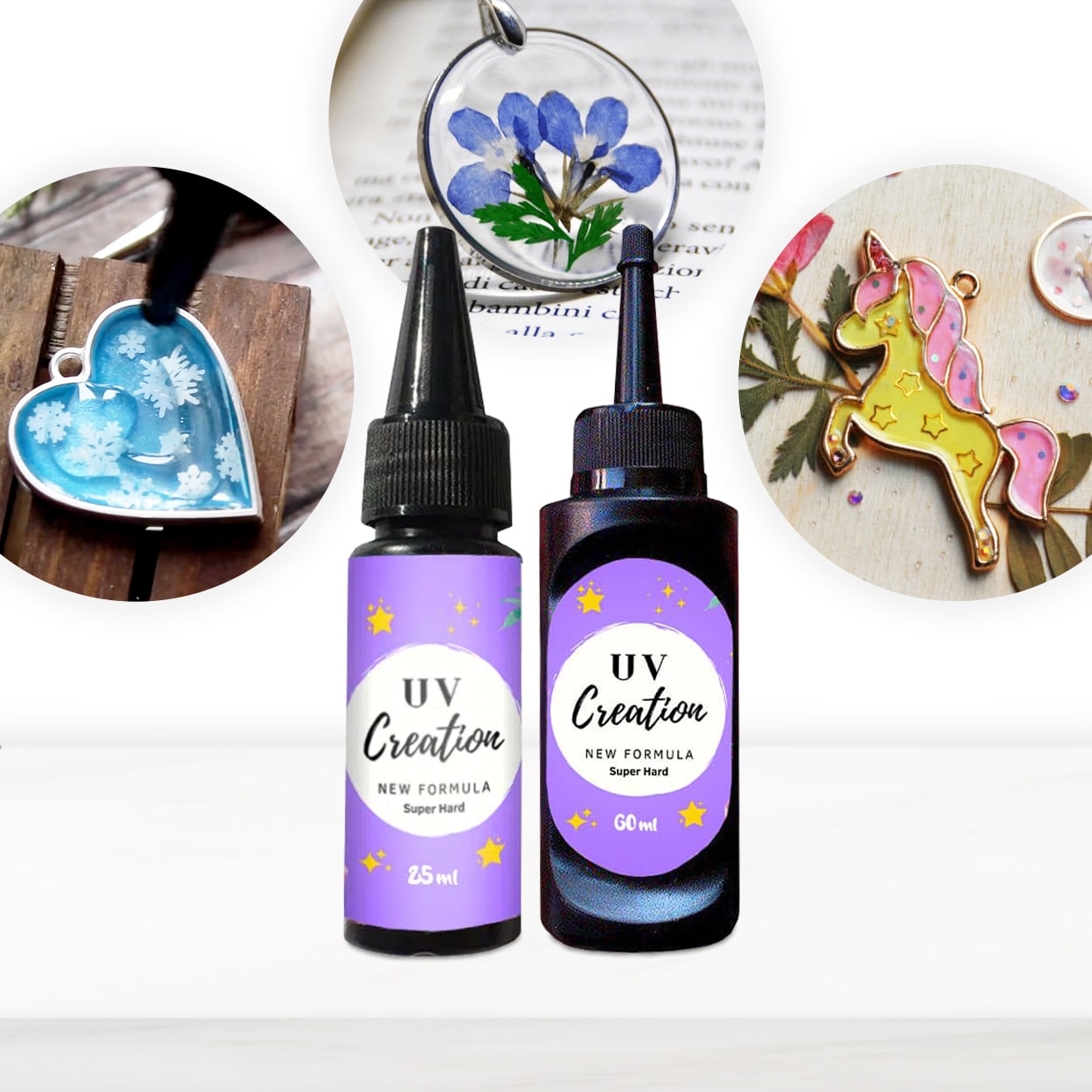
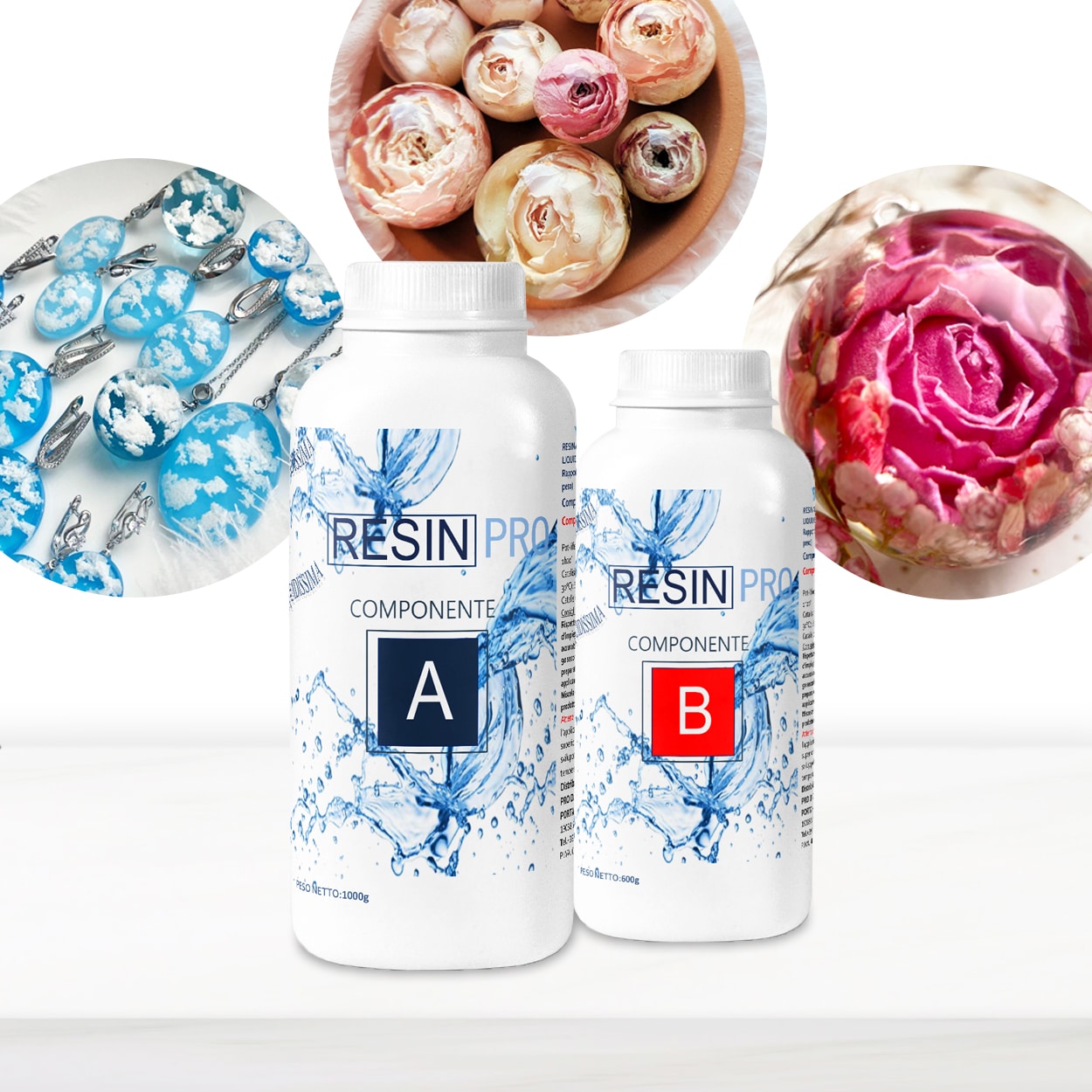
UV resin is a favourite for making jewellery, especially when working with open bezels or pouring into small moulds. But it’s essential to know its limits to achieve crisp, resin jewellery with a professional finish.
Optimal Use for UV Resin in Moulds and Bezels
UV resin works exceptionally well for open bezels, charms, and petite silicone moulds. Because it cures quickly when exposed to UV light, it’s ideal for projects requiring clean edges and immediate handling. However, it is best used for shallow fills in open spaces or for layers just a few millimetres deep. Going thicker can often result in odorous uncured patches or incomplete hardening. For detailed shapes or intricate inclusions, pour the resin in layers, curing each between applications for a smooth, bubble-free finish.
Practical Tips for Curing and Success
- Ensure your UV light source is sufficiently strong and covers the full project zone for even curing.
- Work in thin layers—2–3 mm at most—to avoid soft or sticky results in the centre.
- For open bezels, use a non-stick base or silicone mat to prevent resin leaks and keep edges crisp.
- Remove bubbles with a toothpick before curing for a flawless look.
- If adding glitter or pigments, avoid dense mixtures as these may block UV penetration and slow curing.
For jewellery makers needing rapid turnaround, a purpose-designed UV resin like the “UV–Creation” – Fast Acrylic Resin offers a reliable, glossy finish and non-yellowing clarity.
When Does It Matter: Choosing UV Resin or Alternatives
If your project needs thicker fills, such as deep moulds or layered pendants, conventional epoxy resin is usually a better choice, as it cures thoroughly regardless of thickness (though more slowly). Reserve UV resin for applications where instant setting, precision, and clarity in thin sections are key—like small pendants, embedded findings, or rapid prototyping.
Related products
Related guides
Judging when to use UV resin with moulds or bezels ensures you get the best results from your materials. For more advice on selecting suitable resins and discovering the right products for every jewellery technique, explore our main guide on where you can buy resin for jewellery.