 Free shipping on orders over £29,85
  Shipping Tracking!


 Google
 Facebook
← Back to How to produce resin from wood?
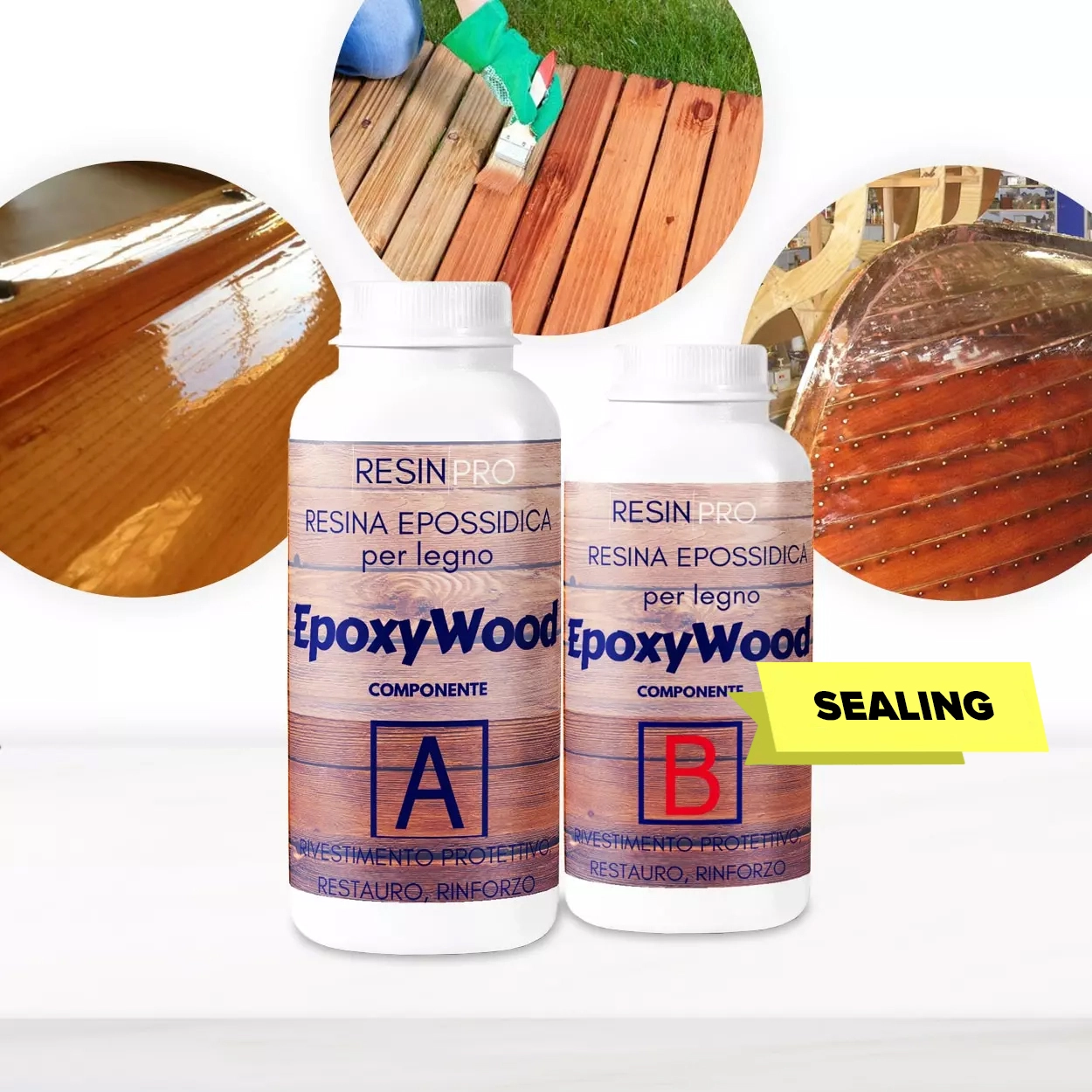
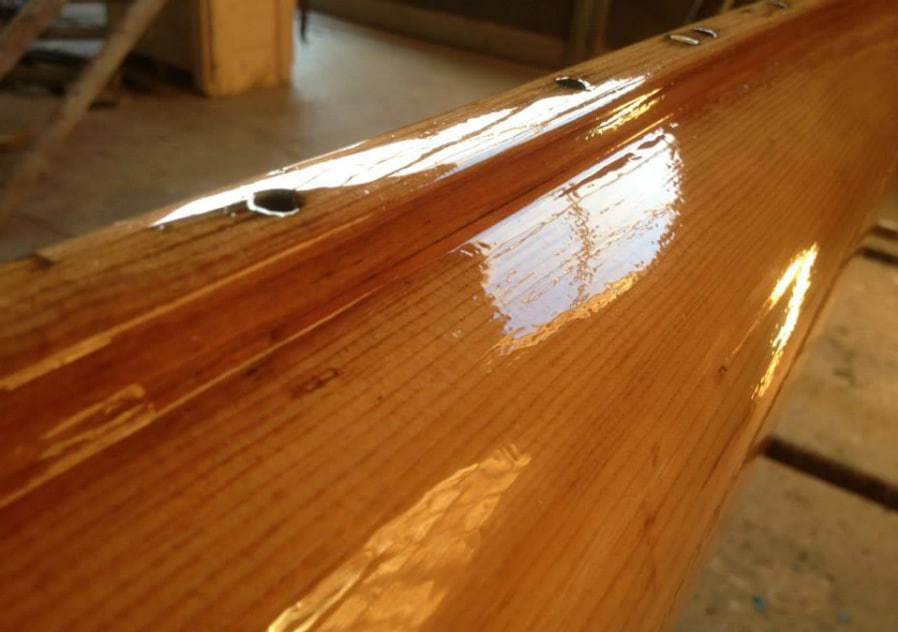
Outdoor wooden projects face constant exposure to moisture, sunlight, and temperature changes. Wood resin can play a vital role in protecting and extending the life of exterior wood when used correctly.
Choosing the Right Resin for Outdoor Use
Not all resins are created equal when it comes to outdoor use. You should opt for a resin that is specifically formulated to provide waterproofing and some degree of UV resistance. EpoxyWood is designed for sealing and reinforcing dry wood surfaces, making it a strong candidate for external restoration work. Its deep penetration creates a robust waterproof barrier, which is essential for items like garden furniture, fences, or wooden decking.


Applying Resin to Outdoor Wood
Proper surface preparation is crucial. Ensure the wood is thoroughly dried and sanded before applying any resin. Follow the manufacturer’s instructions regarding mixing and curing times. For lasting protection, make sure to cover all exposed surfaces evenly. Over time, outdoor conditions may gradually wear down the resin layer, so periodic inspection and reapplication as needed will help maintain durability and water-resistance.
When Does Outdoor Resin Matter Most?
- If your wooden surface is exposed to rain or sits close to the ground.
- For restoration of historical woodwork or valuable pieces that endure the elements.
- Whenever you wish to minimise the risk of rot, mould, or warping outside.

Related products
Related guides
By choosing a suitable outdoor resin and maintaining the protective layer, you’ll extend the lifespan and beauty of your wooden items in the open air. For more detailed guidance on working with resins and wood, return to our main how to produce resin from wood hub.