 Free shipping on orders over £29,85
  Shipping Tracking!


 Google
 Facebook
← Back to How to use PU31 resin?
If you’re planning to use PU31 polyurethane resin in colder weather, there are a few important considerations. Colder environments can affect the curing process, so a little preparation goes a long way for achieving quality results.
How Cold Temperatures Affect PU31 Resin
Most polyurethane resins, such as PU31, perform reliably when the ambient temperature is above 8–10°C. If you attempt casting below this range, the resin might cure much more slowly—or in some cases, may not cure fully. This can cause tackiness, reduced strength, and surface imperfections.
Practical Tips for Cold Weather Use
- Warm Your Workspace: Aim to bring your working area or at least your moulds and resin up to a minimum of 10°C for best results.
- Mix Thoroughly: Cooler temperatures increase viscosity, so take extra care to mix the A and B components thoroughly.
- Allow Extra Time: Be patient—demoulding may take longer in chilly conditions, so adjust your timing to suit.
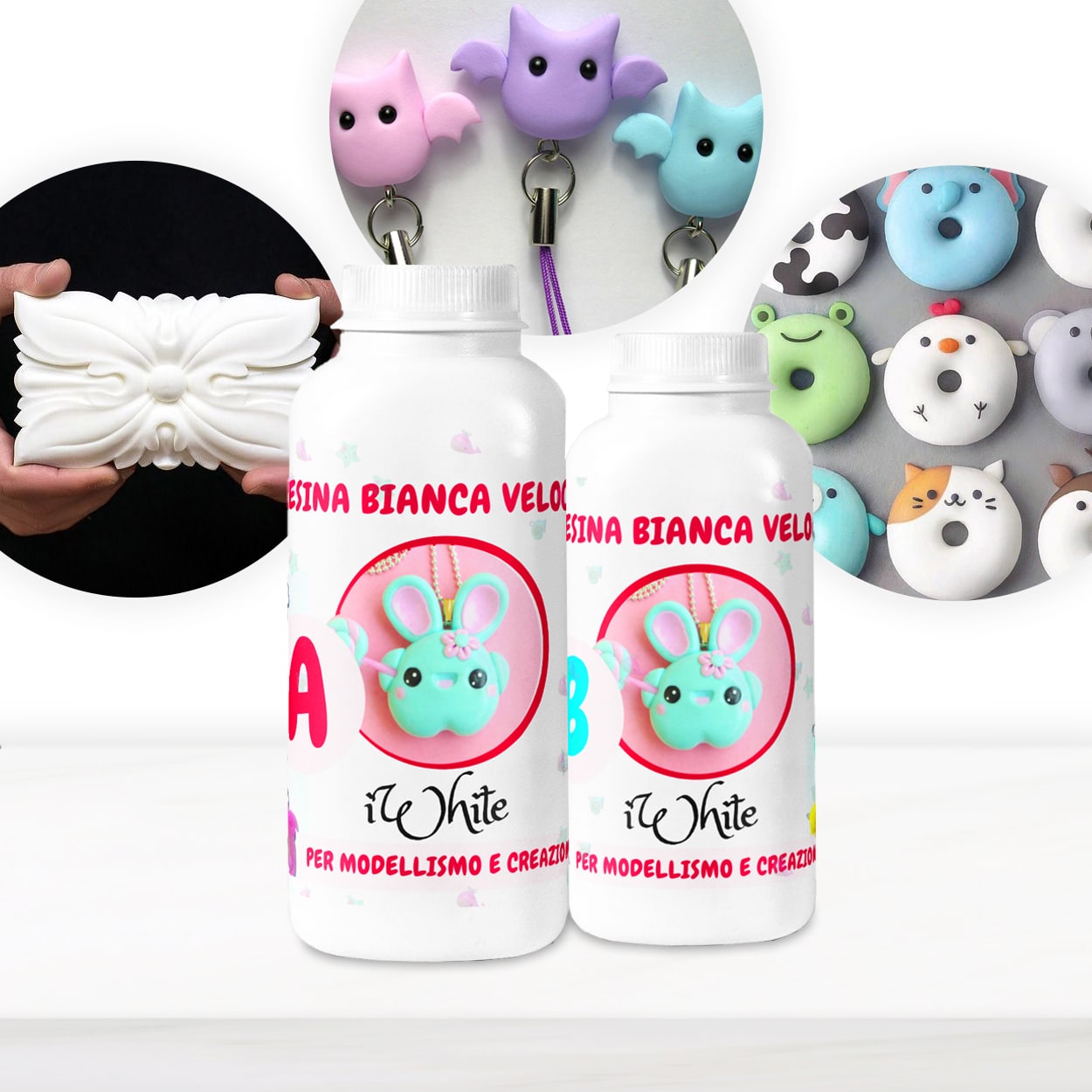
If you need a fast-setting polyurethane system for precision moulding, consider “IWhite” Polyurethane Casting Resin, which is designed for reliable detail even when temperatures fluctuate (with precautions).
When Cold Curing Matters
Casting in unheated garages, sheds, or during colder months requires special care since insufficient curing can compromise finished quality. If you can’t heat your workspace, consider waiting for a milder day for critical pieces.
Related products
Related guides
Understanding how temperature affects PU31 resin helps ensure professional casting results, whatever the weather. For more detailed guidance and tips, return to our main How to use PU31 resin? page.