 Free shipping on orders over £29,85
  Shipping Tracking!


 Google
 Facebook
← Back to How do you apply resin on marble?
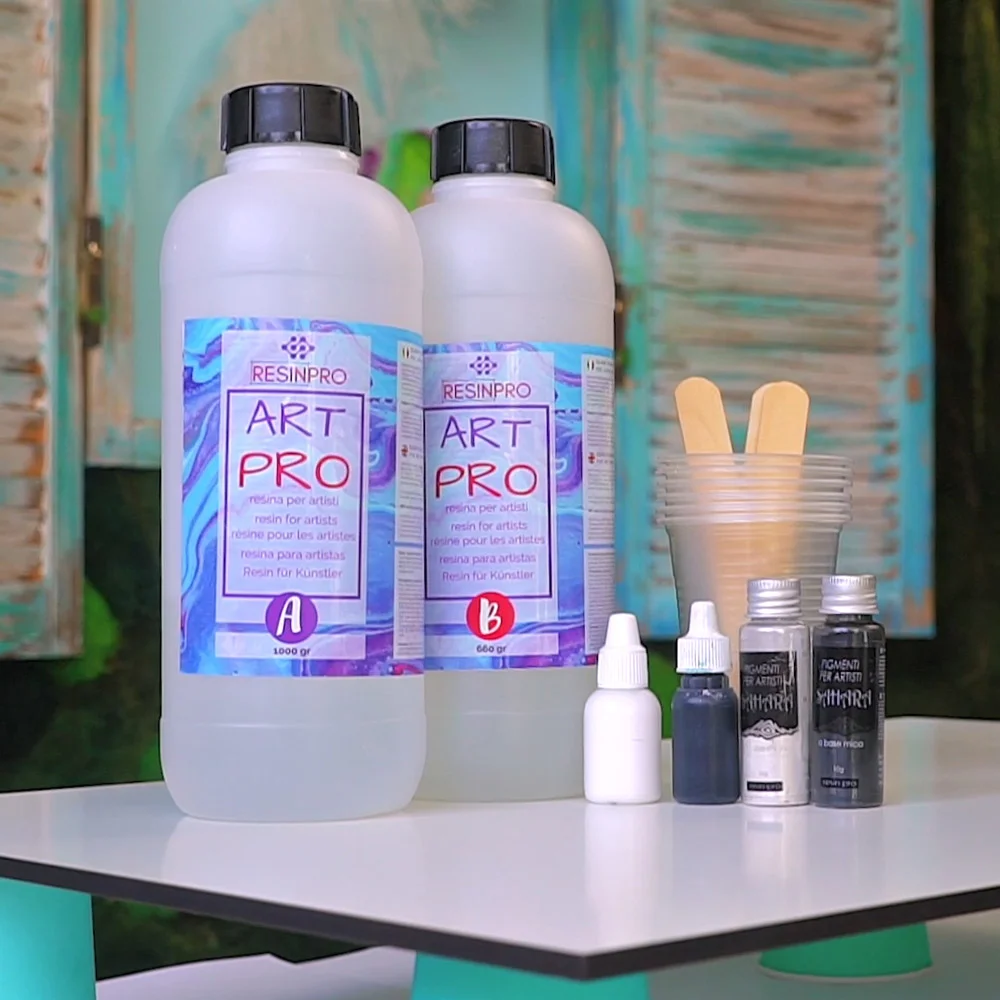
Considering using epoxy resin on marble? Before starting your project, it’s important to understand what happens if you ever need to remove cured resin from your marble surface. This guide explores the difficulties, care, and practical considerations involved.
Why Removing Resin from Marble Is Challenging
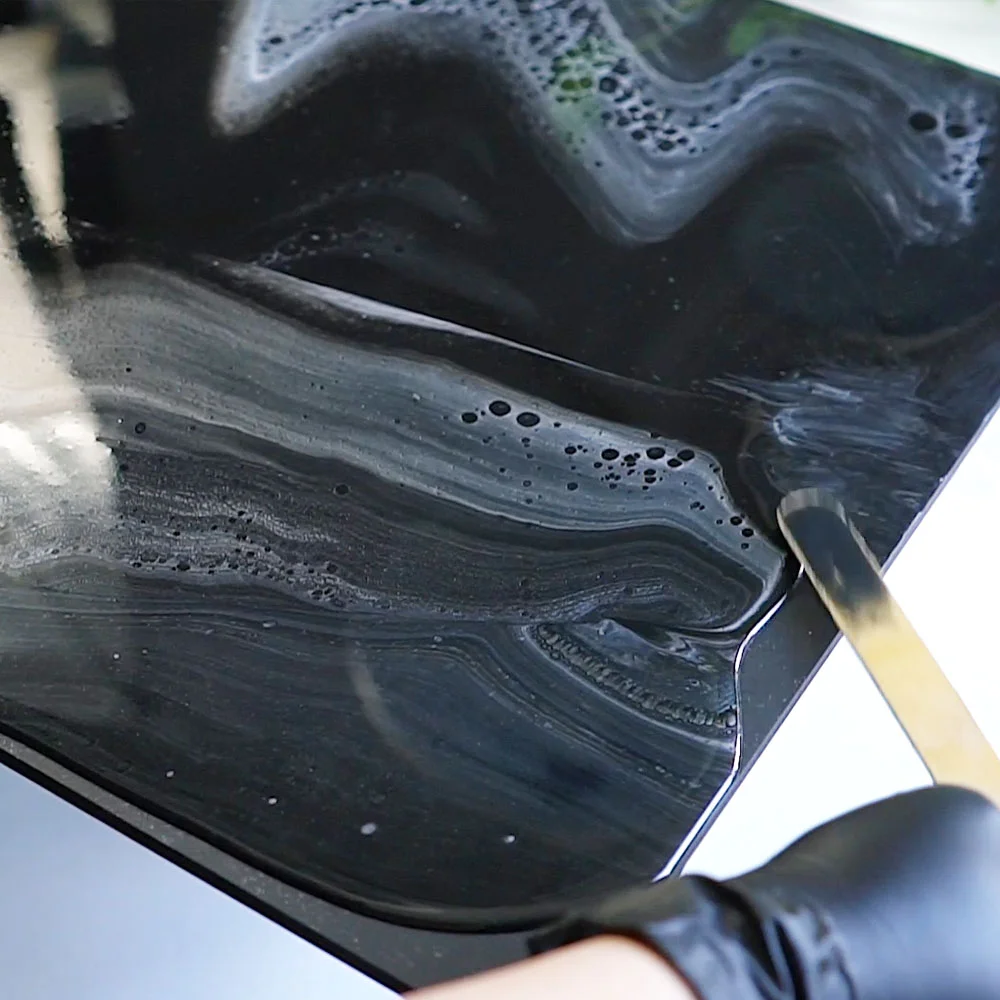
Epoxy resin forms a very strong bond and hardens into a durable, non-porous layer. Once cured, it adheres tightly to the marble, making removal complicated. Mechanical extraction methods—such as scraping or chiselling—risk permanently scratching or chipping the marble beneath. Solvents may soften some resins but can damage the stone or simply fail to lift hardened layers.

Best Practices Before Application
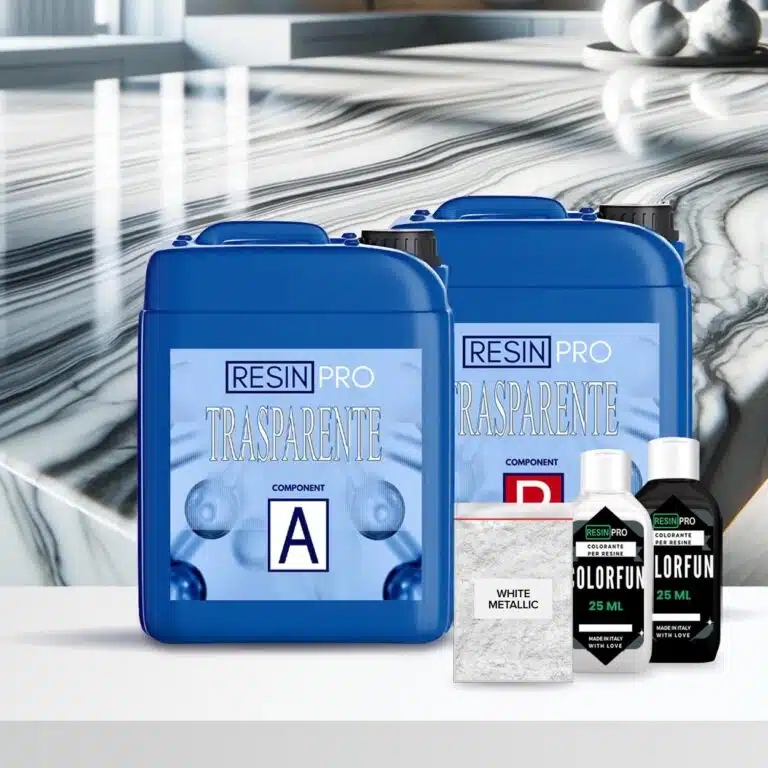
To reduce the risk of unwanted results, always test your chosen resin on a small, inconspicuous section of marble before full application. This allows you to gauge how the surface and resin interact, and to check if any residue can be safely removed. If you anticipate wanting to reverse the finish later, take extra care: choose resins crafted for surface use, like the Stone Effect Collection – Marble Epoxy Resin Countertop Kit, and ensure your marble is appropriately prepped and protected where possible.
When This Matters Most
The question of removability is especially important for antique, high-value, or rental property surfaces, where preserving the underlying marble’s appearance is critical. In decorative or artistic applications, thinking ahead about future surface changes can help you make informed choices for long-term satisfaction.
Related products
Related guides
Removing resin from marble is rarely straightforward and often carries a risk to the stone’s finish. Planning and patch-testing are key steps to help you enjoy lasting results—refer back to our main advice on how to apply resin on marble for a confident, professional approach.