 Free shipping on orders over £29,85
  Shipping Tracking!


 Google
 Facebook
← Back to How are resins injected into concrete pours?
If you are considering strengthening or sealing new concrete work, it’s natural to wonder whether resins can be injected while the concrete is still fresh. The timing of resin application can have a significant impact on the finished result and longevity of your surface.
Why Wait for Concrete to Cure?
Injecting or applying resins to concrete that has not yet cured can cause issues with moisture becoming trapped beneath the resin layer. This trapped moisture may compromise adhesion and lead to delamination or bubbling. Concrete requires an initial curing phase to allow excess water to evaporate and for the structure to stabilise.
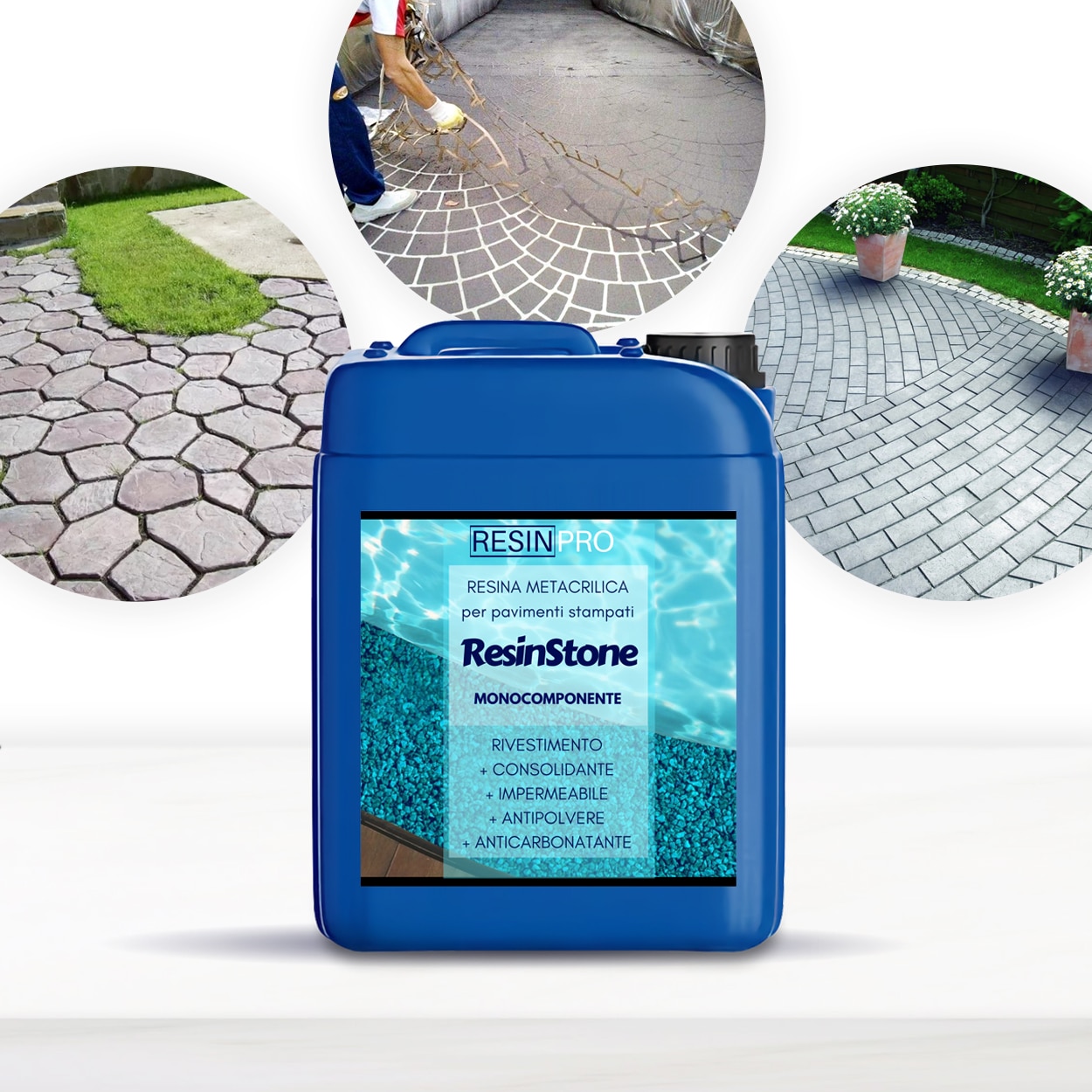
For the best bond and long-lasting protection, resins like Resinstone – One-Component Methacrylic Resin are typically applied only after the concrete has been given sufficient time to cure and dry.
How Long Should You Wait Before Resin Injection?
Concrete usually requires several days to a few weeks to reach an initial cure, depending on weather, mix, and substrate thickness. It’s important that the surface is visibly dry, free from surface moisture, and solid underfoot before attempting resin injection or coating. Applying resin too early may result in poor performance and reduced durability.
When This Matters Most
- Professional contractors aiming for industrial-grade surface protection
- Homeowners looking to safeguard garages, driveways, or outdoor paths
- Any project seeking maximum adhesion and resistance from resin treatments
Related products
Related guides
Proper timing is essential for successful resin injection in new concrete pours. Waiting until the concrete is cured ensures your resin product bonds effectively and delivers lasting protection. For more detailed information on application techniques and choosing the right products, visit our main guide on how resins are injected into concrete pours.