 Free shipping on orders over £29,85
  Shipping Tracking!


 Google
 Facebook
← Back to Why does resin crack?

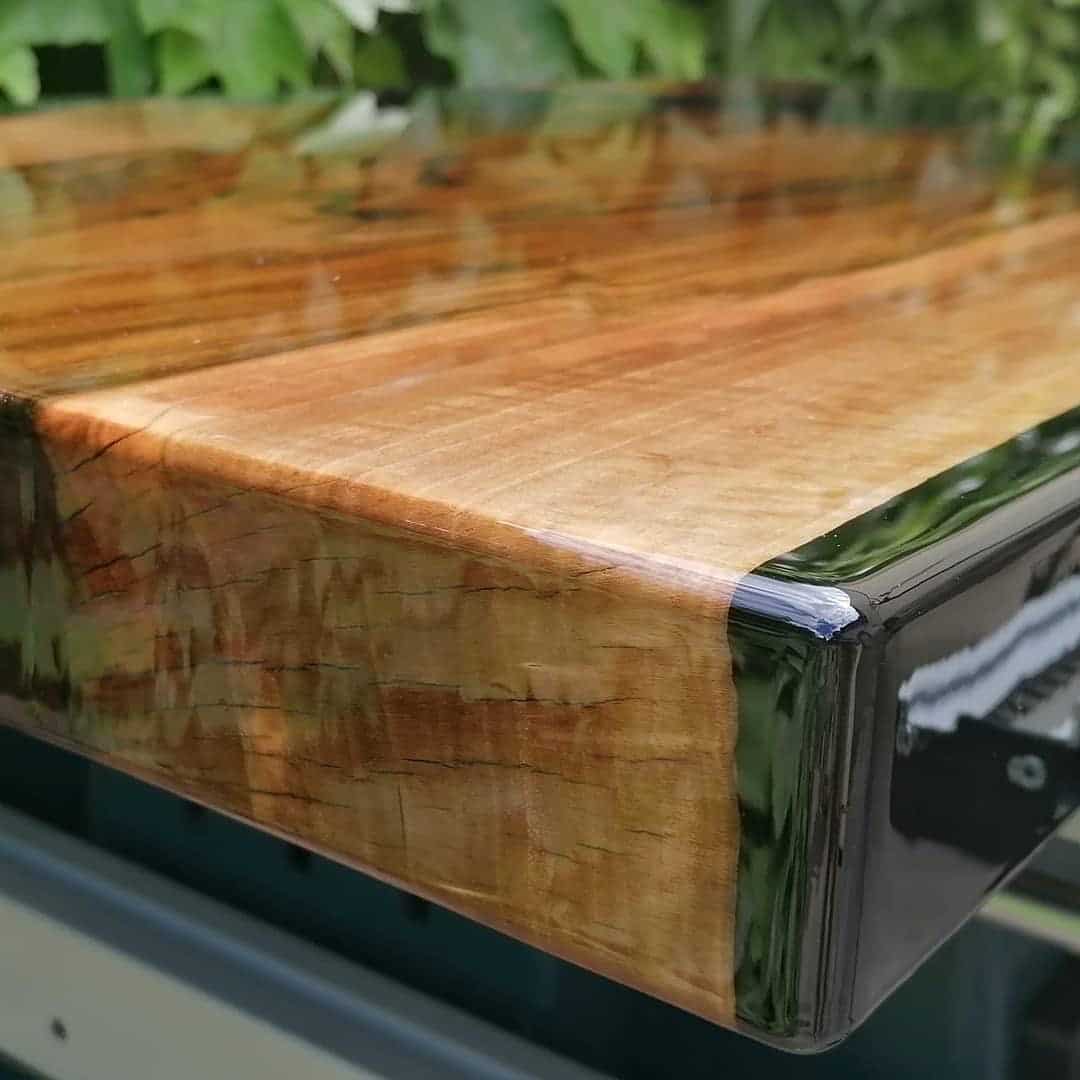
Not all hope is lost if your epoxy resin project develops cracks. Both small and larger cracks can often be addressed with the right approach, returning your piece to a sound finish.
Identifying the Type of Crack
To plan a proper repair, it’s important to assess the size and depth of the crack. Minor hairline cracks may only require a surface fix, while more severe cracks or splits—especially those running deep—might call for a more involved resin re-coating process.


Step-by-Step Repair Methods
- For Minor Cracks: Clean the area to remove any dust, then carefully fill the crack with a thin layer of fresh epoxy resin such as Icrystal Clear Epoxy. Allow it to cure thoroughly for best adhesion.
- For Major Cracks: Lightly sand the damaged area until smooth, taking care not to overheat or damage the surrounding resin. Wipe away dust before applying a fresh, even coat of compatible resin. A product like EpoxyTable 5-Five can provide a robust finish for thicker layers. Follow manufacturer instructions for mixing and pouring.
When Resin Repair Matters Most
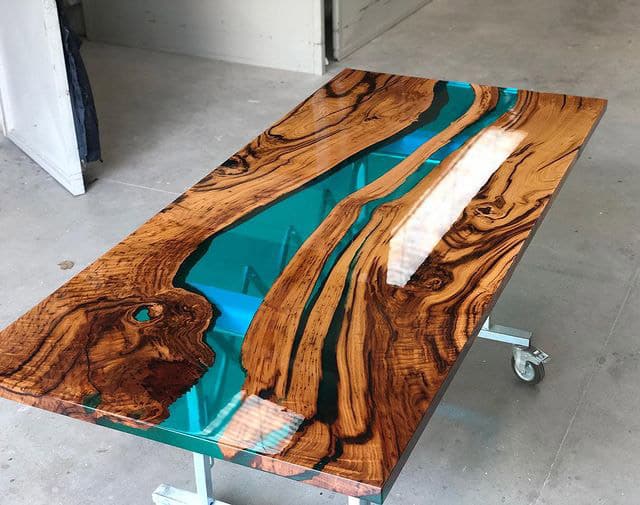
Restoring cracked resin is particularly important for tables, art, and woodworking projects where a seamless finish is key. Prompt repairs help maintain the strength and appearance of your piece, especially in high-use surfaces.
Related products
Related guides
Knowing how to mend cracks not only saves your project but also adds to your confidence when working with epoxy resin. For more on how to prevent cracking in the first place, see our main guide on why resin cracks.