 Free shipping on orders over £29,85
  Shipping Tracking!


 Google
 Facebook
← Back to How are epoxy powders composed?

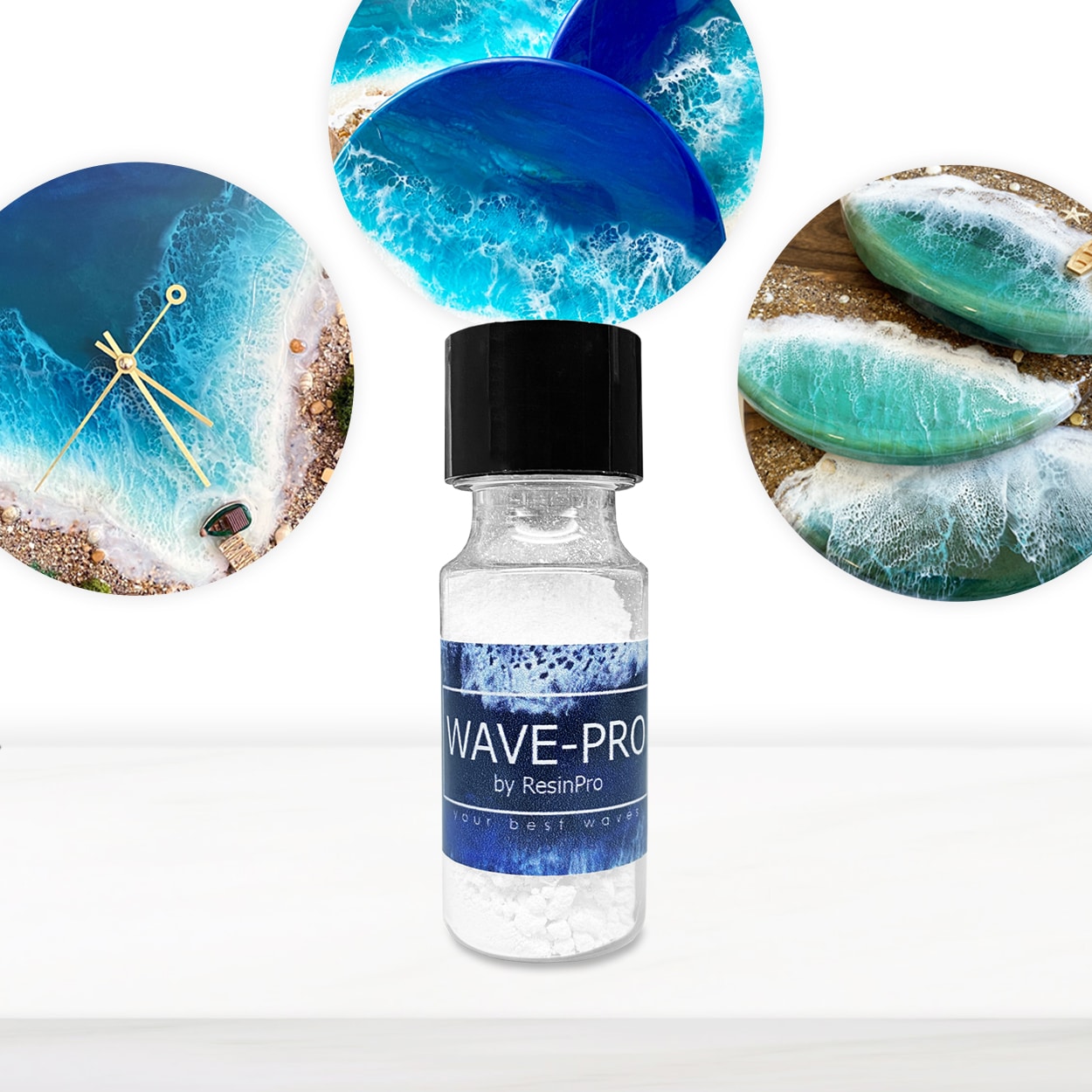
Blending different epoxy powders offers creative freedom in resin art and DIY crafts. However, proper technique is essential to achieve vibrant and stable results.
Is It Possible to Mix Epoxy Powders?
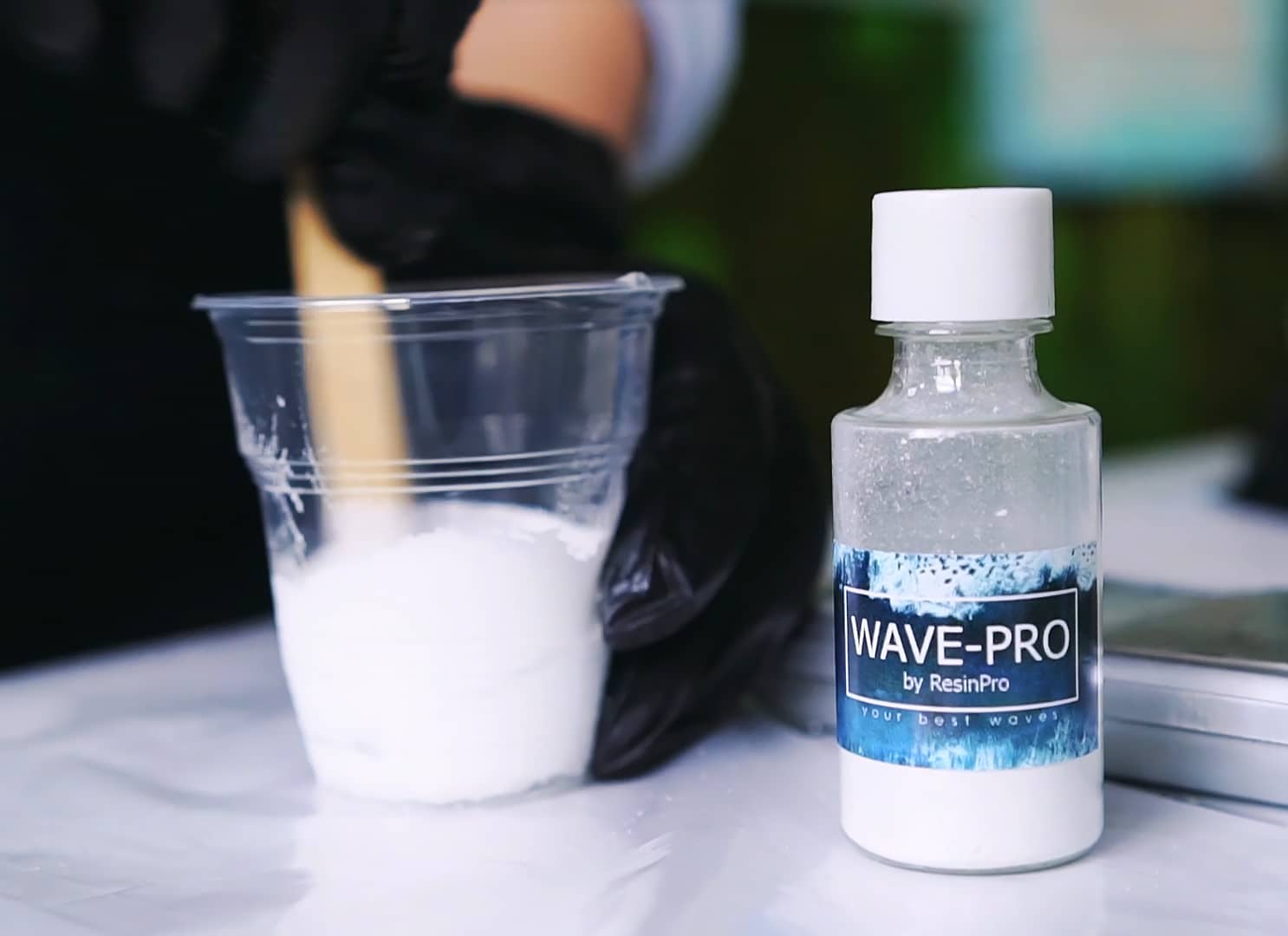
It is possible to blend various types of epoxy-compatible powders, such as coloured pigments and glitter, to produce unique visual effects. Combining contrasting shades can create custom hues, while mixing special effect powders, like Wave-Pro, adds dynamic textures. Before starting your project, ensure the powders are suitable for use with epoxy and are free from components not intended for resin systems.
Mixing Guidance and Best Practices
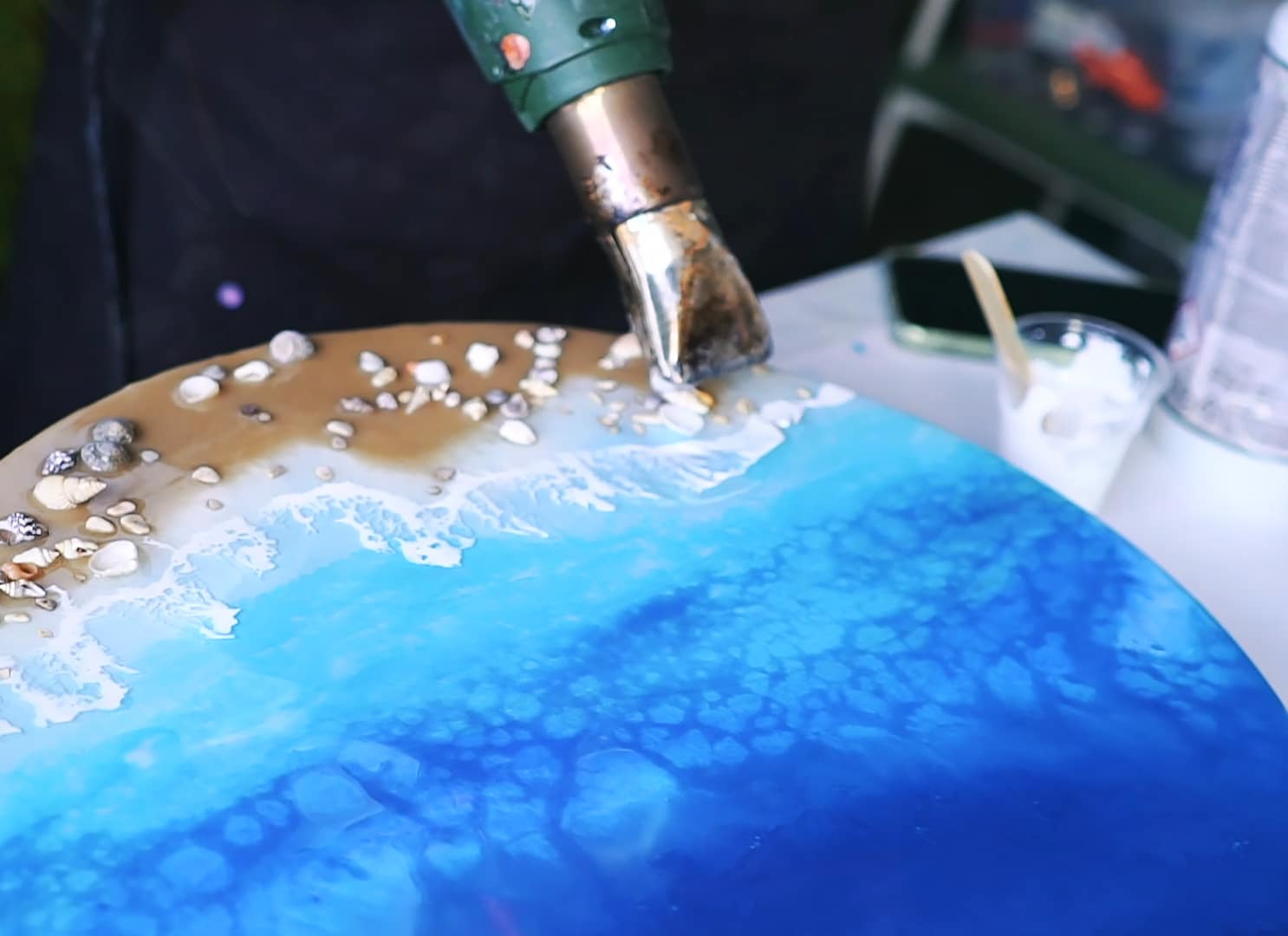
For optimal results, always stir powder pigments into the resin thoroughly. To ensure an even distribution—especially when mixing more than one type—add all powders to Part A (resin) before incorporating the hardener. Avoid overloading the resin with powders, as this may impact curing and finish. When using effect additives, such as metallic glitters or specialist tints, test a small batch first to confirm compatibility and achieve your desired effect.
When Mixing Epoxy Powders Matters Most
- Custom Colour Creation: Mixing different shades lets you personalise the palette for jewellery or decorative items.
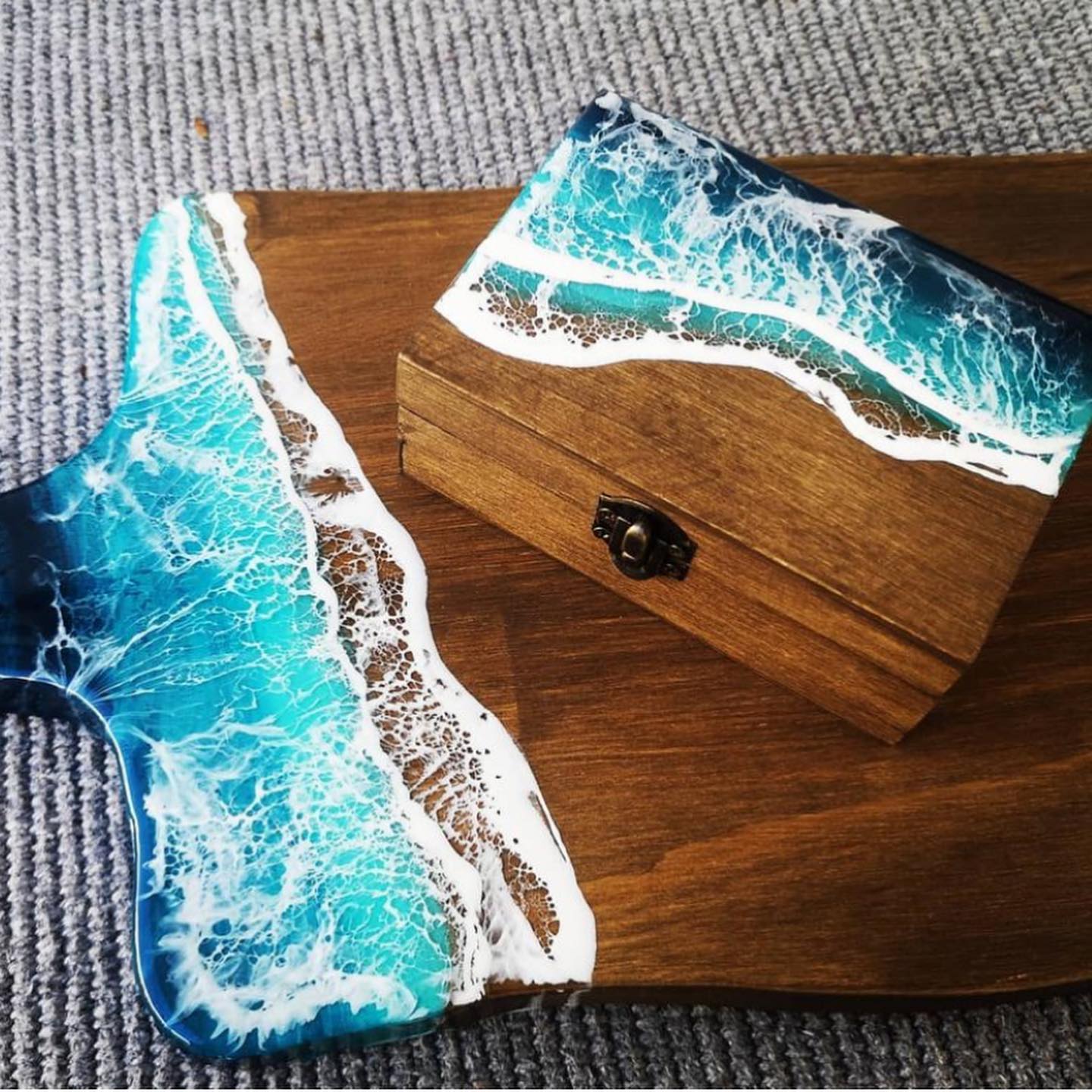
- Special Effects: Blending effect powders like neon or wave additives with metallic glitter creates vibrant, multi-layered designs.
- Professional Finish: Careful blending guarantees even colour and sparkling effects, preventing patchiness or unmixed clumps.
Related products
Related guides
Whatever your creative goal—be it striking neon accents or shimmering waves—combining epoxy powders can elevate your resin projects. For more in-depth information about how these powders are composed and other related topics, visit our main epoxy powder composition guide.