 Free shipping on orders over £29,85
  Shipping Tracking!


 Google
 Facebook
← Back to How to repair corrugated resin sheets?
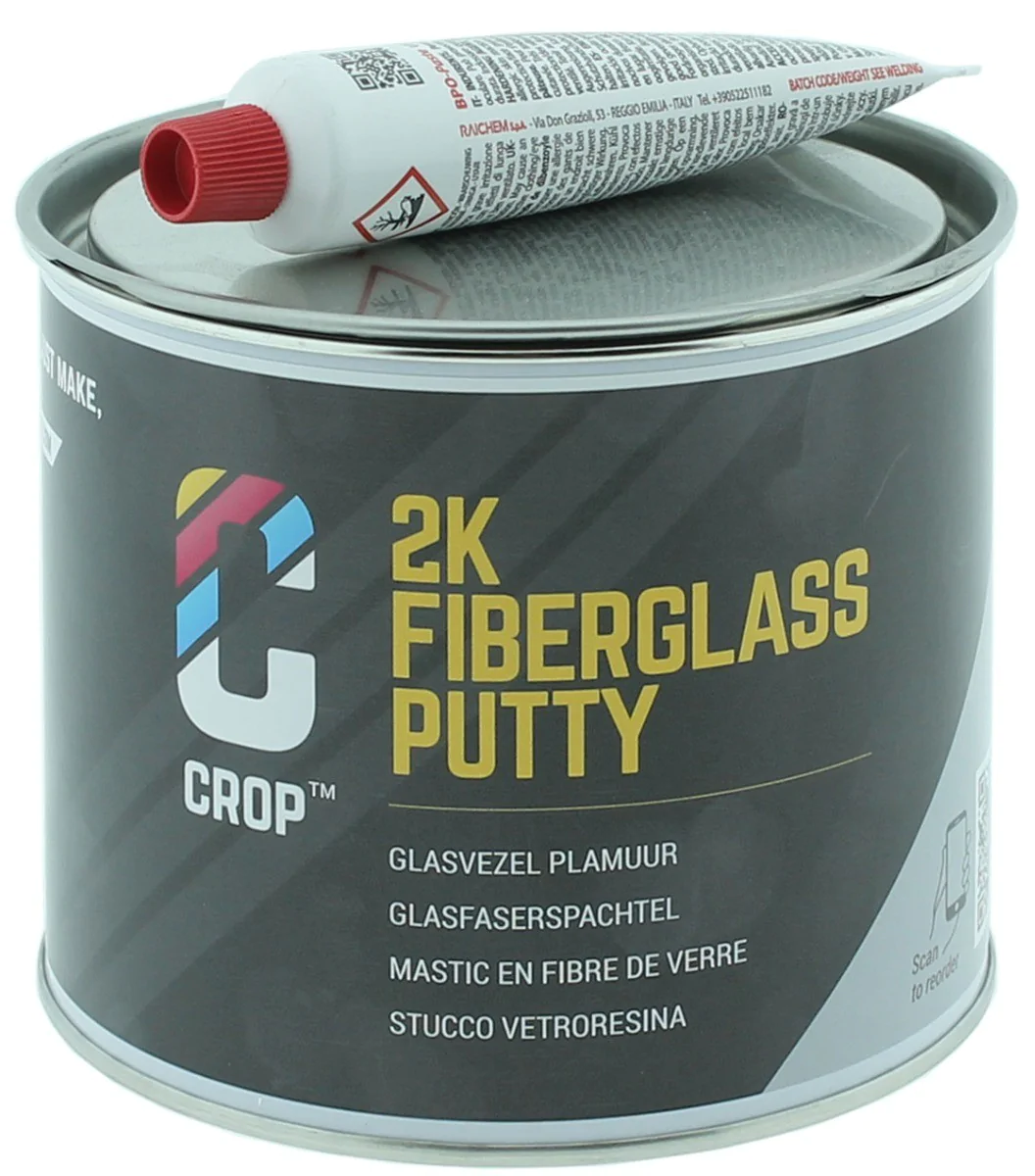

After repairing a corrugated resin sheet, achieving a visually consistent finish is a common goal. Painting over repaired zones is entirely possible, provided you follow a few essential steps to ensure the result blends in perfectly.
Preparing the Repaired Surface
Before painting, it’s crucial that the repaired area is fully cured. Once the patch—whether resin, epoxy or fibreglass putty—is hard and dry, sand it gently so it becomes flush with the surrounding sheet and has a smooth texture. Use progressively finer abrasives until the surface feels even under your fingers.
Preparing in this way ensures that primer and paint will adhere evenly, helping the new appearance blend with the original surface.
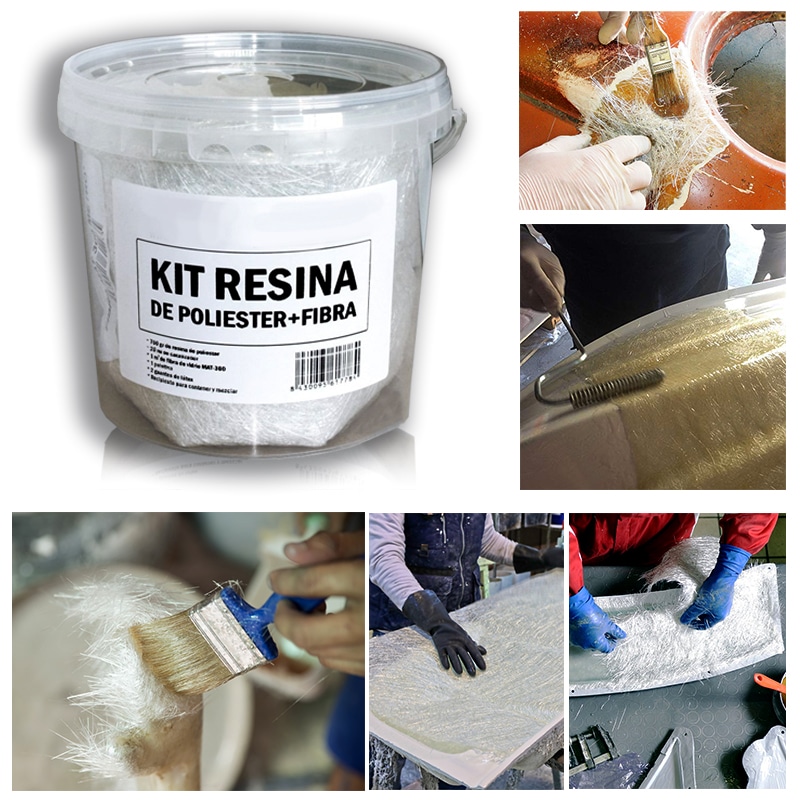
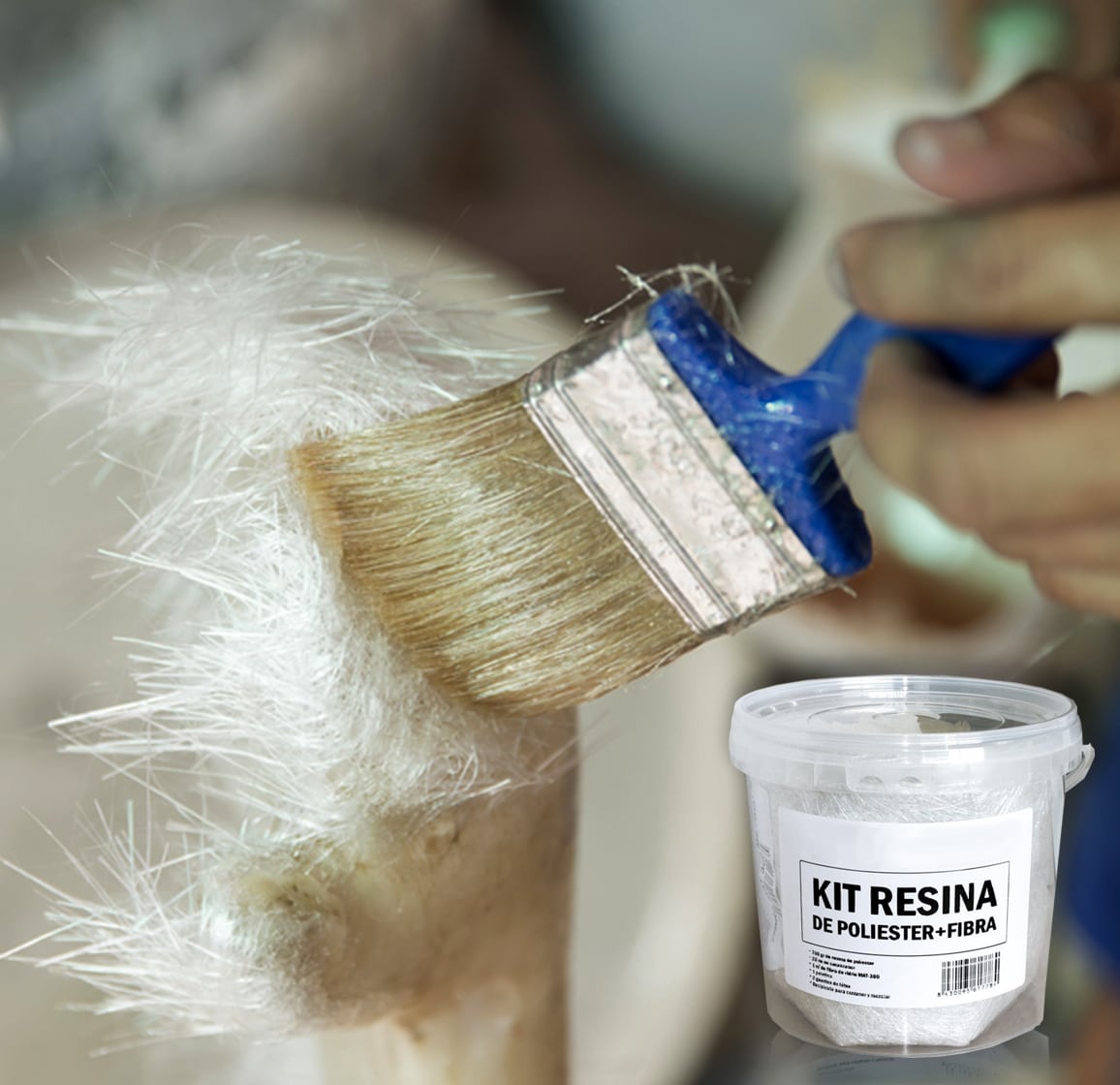
Priming and Painting for a Seamless Finish
After sanding, wipe down the area to remove dust and debris. Applying a compatible primer is a must for consistent paint coverage and long-term adhesion. Once the primer has dried, select a paint suitable for exterior plastics or fibreglass and apply it in light, even coats for the best result.
If you used a fibreglass-based product, such as CROP 2K Fiberglass Putty, you’ll find that it sands to an ultra-smooth finish, making it ideal for prepping before paint.
When Matching Matters Most
Careful priming and painting make a significant difference when repairs are on visible or high-traffic parts of a roof or cladding. Taking time to blend repaired sections avoids obvious patches and helps restore the appearance of the original installation.
Related products
Related guides
By following these finishing steps, you can ensure that repairs on corrugated resin sheets are not only strong but also visually discreet. For in-depth repair guidance and further tips, visit our main page on how to repair corrugated resin sheets.