 Free shipping on orders over £29,85
  Shipping Tracking!


 Google
 Facebook
← Back to How to produce resin from wood?
When working with resin and wood, a smooth and secure bond is essential for achieving a strong, durable finish. But can resin be applied directly to unsanded wood?
Why Sanding Matters for Resin Projects
Sanding isn’t just about aesthetics – it creates a surface that allows resin to grip and penetrate the wood. Failing to sand can result in poor adhesion, which not only risks peeling or flaking but also reduces the protective and reinforcing effects of the resin. Sanded wood exposes the pores, enabling deeper resin penetration and a longer-lasting result.


How to Prepare Wood for Resin Application
- Clean the Surface: Remove dust, oils and residue to start with a blank canvas.
- Sand Thoroughly: Begin with a medium grit (around 120) and finish with a finer grit for best results.
- Dry Conditions: Ensure wood is dry and moisture-free before applying any resin.
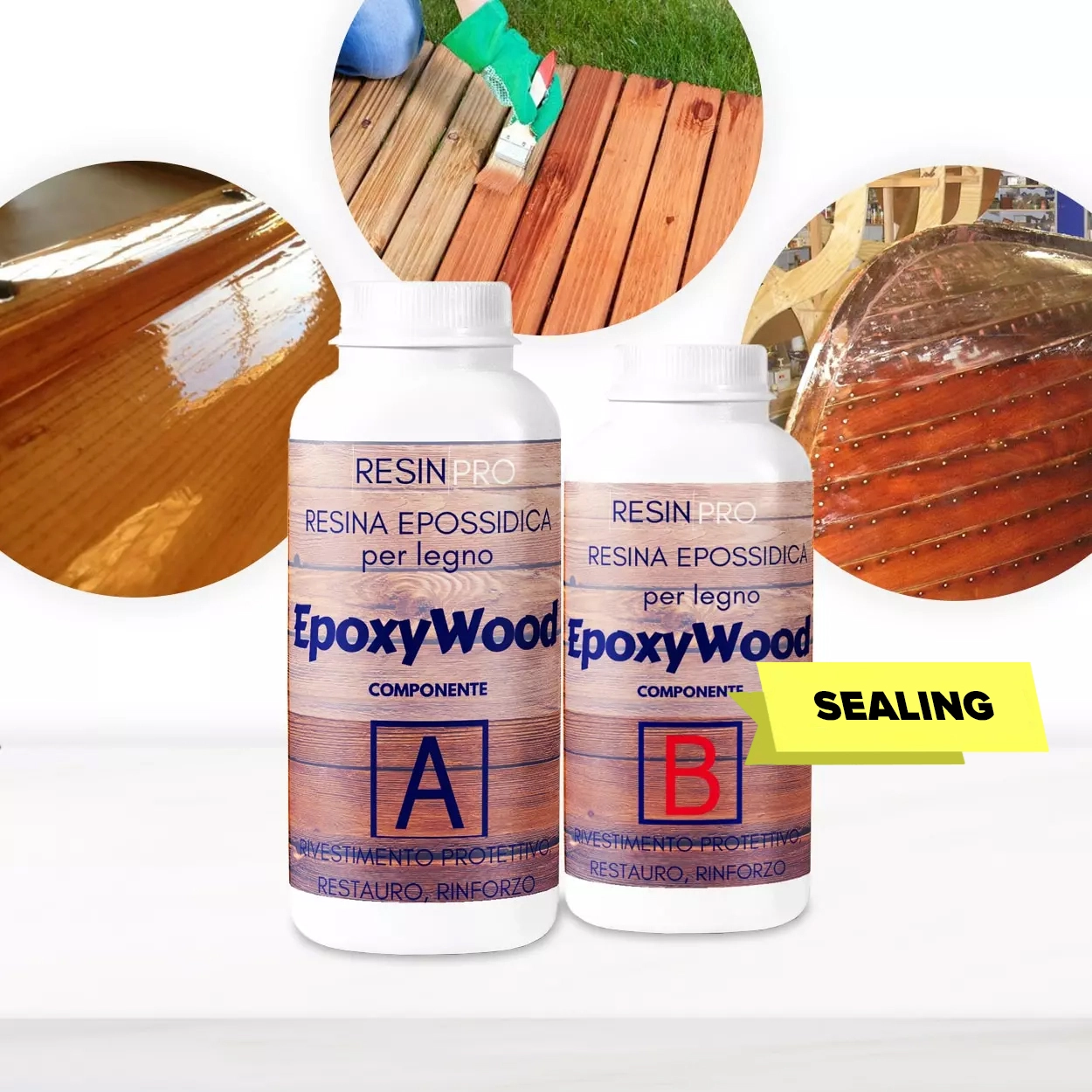
Proper prep leads to professional results. Specialist products like EpoxyWood are designed for restored surfaces and perform best once the wood is sanded and ready.
When This Matters Most
Surface preparation is crucial for restoration jobs, outdoor applications or anywhere you expect the finish to face daily wear. Skipping sanding on untreated or weathered wood will significantly reduce durability and appearance in these cases.

Related products
Related guides
Sanding ensures your resin project stands the test of time and brings out the best in your wood. For more guidance on producing effective resin-treated wood, see our complete guide on how to produce resin from wood.