 Free shipping on orders over £29,85
  Shipping Tracking!


 Google
 Facebook
← Back to How do you make crystals from cherry tree resin?
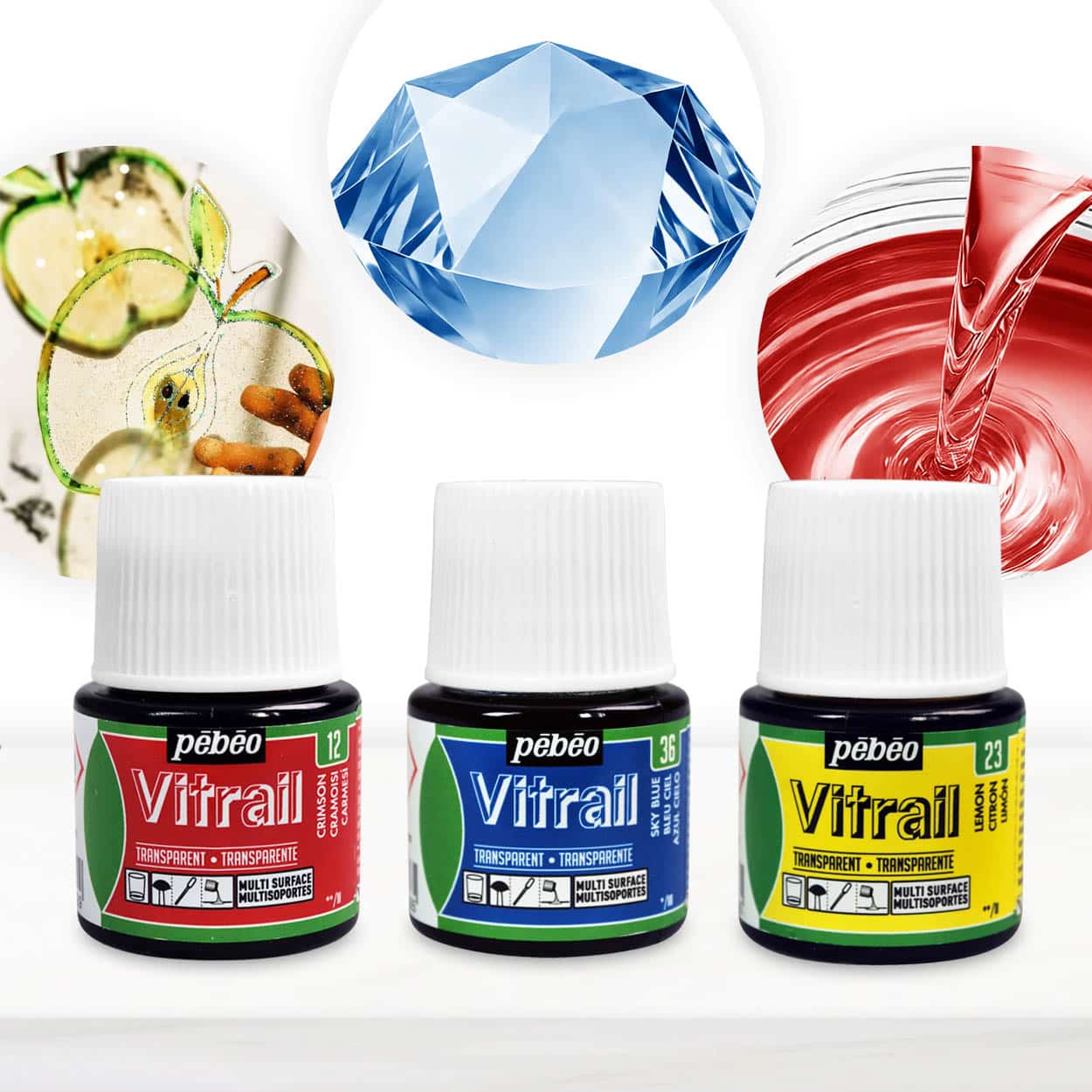
If you are considering using natural cherry resin instead of epoxy for making crystals or decorative items, it is important to understand the material differences. Cherry resin has historic appeal, but how does it compare for modern crystal-like effects?
Key Differences Between Cherry Resin and Epoxy
Natural cherry tree resin will harden over time, but it tends to have a yellowish hue and can appear less transparent than epoxy resin. Additionally, it may not achieve the same level of durability or clarity desired for most crystal or jewellery projects. Epoxy resins, such as Icrystal Clear Epoxy, are specifically formulated to produce a glass-like finish and withstand everyday handling, making them especially popular for craft and art applications.
Practical Guidance for Crystal Effects
If your goal is to mimic the appearance of natural crystals or gemstones, clear epoxy resin offers the best balance of strength and transparency. Enhance your creation by using specialised transparent colourants like the Magic Crystal Transparent Resin Colour range, ensuring vivid colour without the loss of clarity. For beginners, resin kits are available with everything needed to get started, including pigments, moulds, and full instructions.
When to Consider Natural Cherry Resin
Using cherry resin makes sense for projects inspired by tradition, natural materials, or rustic styles, where clarity is less critical. It can add a unique, organic look but will not achieve the pristine, clear finish possible with epoxy. For projects prioritising clarity and resilience, synthetic resins remain the better choice.
Related products
Related guides
Whether you choose traditional cherry resin or opt for a modern clear epoxy, selecting the right material is essential for achieving the desired crystal effect. Head back to our main guide for more ideas and step-by-step tips on crafting with resin.