 Free shipping on orders over £29,85
  Shipping Tracking!


 Google
 Facebook
← Back to What is transparent epoxy resin used for?
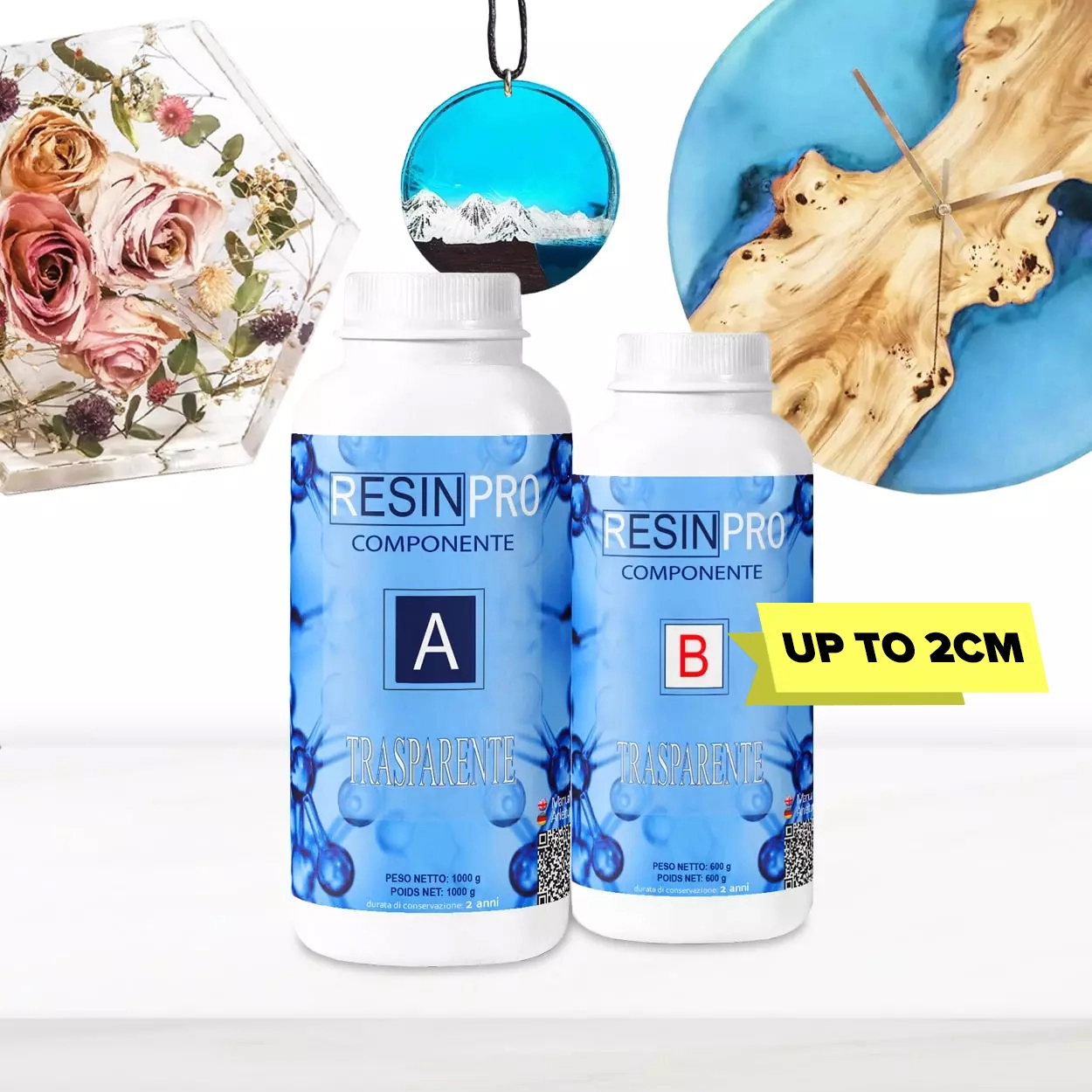
Achieving flawless transparency in your resin projects hinges on selecting the right epoxy for the job. Understanding the key differences between casting and coating resins will ensure a crystal-clear finish every time.
Understanding Cast vs Coating Epoxy
Casting resins are designed for deep pours—typically up to several centimetres thick. Their slow curing and low heat output (exotherm) allow for bubble-free transparency in items such as jewellery, deep art castings or river tables. In contrast, coating resins—sometimes called laminating or finishing resins—cure more quickly in thin layers. They provide a hard, protective gloss over surfaces, ideal for coating art, wooden pieces, or decorative trays.
How to Choose the Right Transparent Epoxy
- Project Thickness: For detailed casting or projects requiring layers up to 2cm, opt for a product like “Trasparente” – Multipurpose Clear Epoxy Resin for Casting. For extremely thin layers, such as artwork or sealing tabletops, coating resins like “Icrystal” or “Art Pro” excel.
- Curing Time: Deeper pours need a resin with a slower cure to reduce the risk of overheating, while thin coatings benefit from faster cures with less run-off.
- Clarity & UV Stability: Both resin types offer high transparency and may include UV filters, but always check the product’s claim for prolonged clarity and anti-yellowing properties.
When This Matters
This distinction is vital when your project involves either deeper objects (like casting bases or embedded keepsakes) or requires ultra-smooth, durable surfaces (such as coasters, trays, or thin tabletops). Using the wrong resin can lead to warping, bubbles, or a cloudy finish.
Related products
Related guides
Choosing the appropriate resin—whether for casting or for coating—ensures lasting transparency and strength. To explore more applications or find the best resin for your project’s needs, see our full FAQ on what transparent epoxy resin is used for.