 Free shipping on orders over £29,85
  Shipping Tracking!


 Google
 Facebook
← Back to Why does the resin on the table crack?

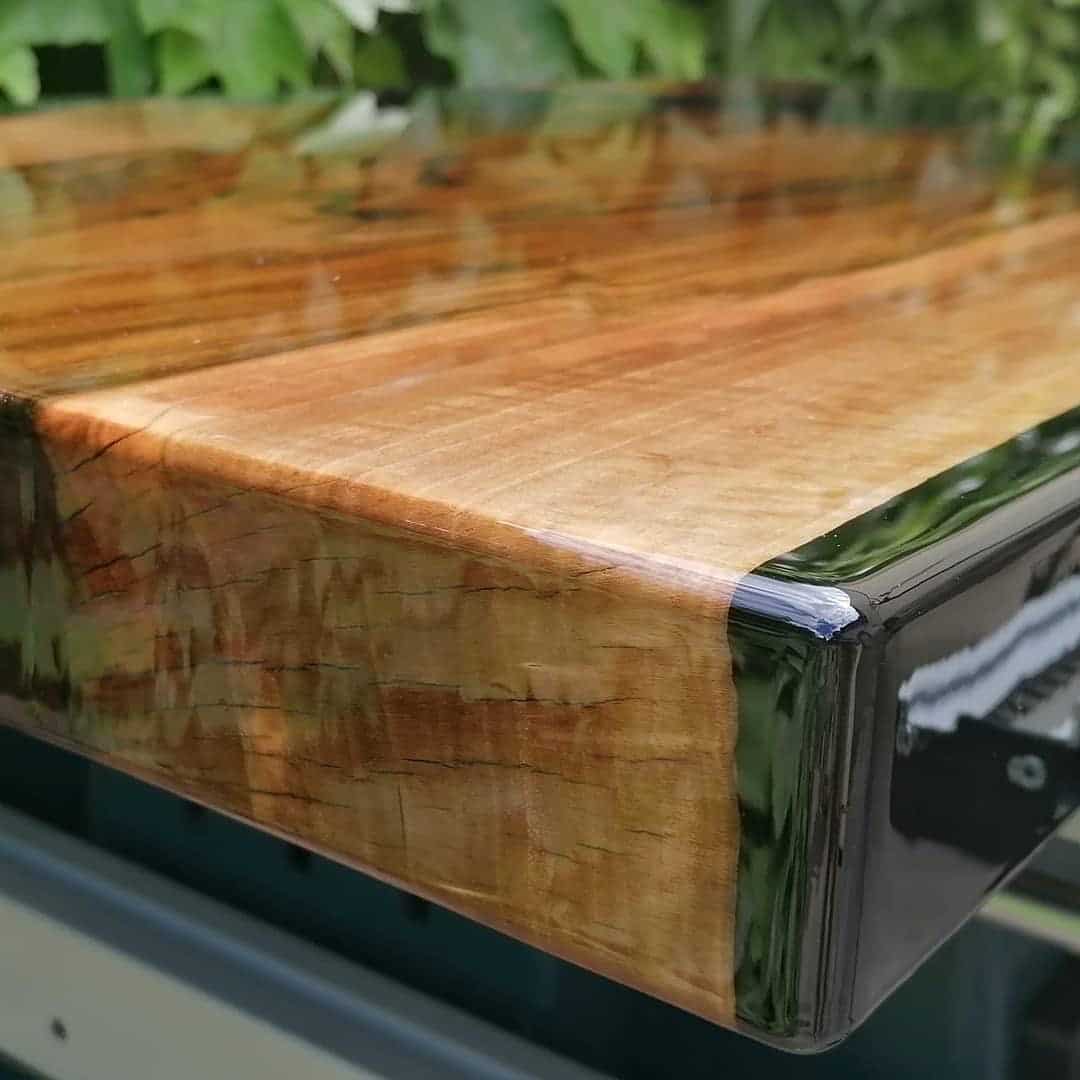
If you’ve experienced resin cracking on your table, you’re not alone. Understanding the main causes is the first step to achieving smooth, crack-free results in your future epoxy projects.
Why Does Resin Crack on Tables?
One of the most common reasons resin cracks on tables is pouring layers that are too thick, especially if using a resin not designed for deep casting. This can lead to a rapid build-up of heat during curing, also known as an exothermic reaction, which places stress on the material and causes cracks to form. Other contributors include using the wrong resin for your project, inconsistent mixing, or exposing your table to temperature swings after the pour has cured.
- Pouring thicker than the recommended depth for your resin
- Improper mixing or incorrect resin-to-hardener ratio
- Sudden changes in temperature after curing
- Poor formwork sealing, leading to uneven curing


Choosing the Right Resin and Method
Selecting the correct resin type for your project thickness is essential. For substantial pours (up to 10cm), opt for a product specifically formulated for deep casting, such as Epoxytable 10-Ten. For pours between 2cm and 5cm, “EpoxyTable 5-Five” is ideal. When working on your first resin table, a comprehensive kit can help ensure you have all sealing and mixing essentials ready to go.
For large projects or pours over recommended limits, pour in multiple layers and allow 6–8 hours between coats to avoid overheating.
When This Matters Most
Cracking risks are highest when working with thick or large surface area resin projects. If your table dimensions exceed 100cm or you need to pour more than 8kg of resin at once, always split the pour into manageable layers and choose a resin designed for deep casting. Proper mixing and stable curing temperatures are crucial at these scales.
Related products
Related guides
Understanding and preventing common causes of resin cracking ensures your table project remains smooth and long-lasting. For deeper guidance or solutions, explore further resources on why resin can crack on tables.