 Free shipping on orders over £29,85
  Shipping Tracking!


 Google
 Facebook
← Back to What corrodes resin?
Understanding how chemical exposure affects resin helps you choose products that last longer and resist everyday damage. Whether for art, repair, or kitchen use, selecting the right type protects your work from unwanted deterioration.
How Chemicals Interact with Resin
Chemical exposure can impact various resin types in different ways. Acids, alkalis, and solvents are most commonly responsible for degrading or corroding surfaces over time. While some resins are formulated to resist household chemicals, others may show signs of weakening, discolouration, or surface breakdown.
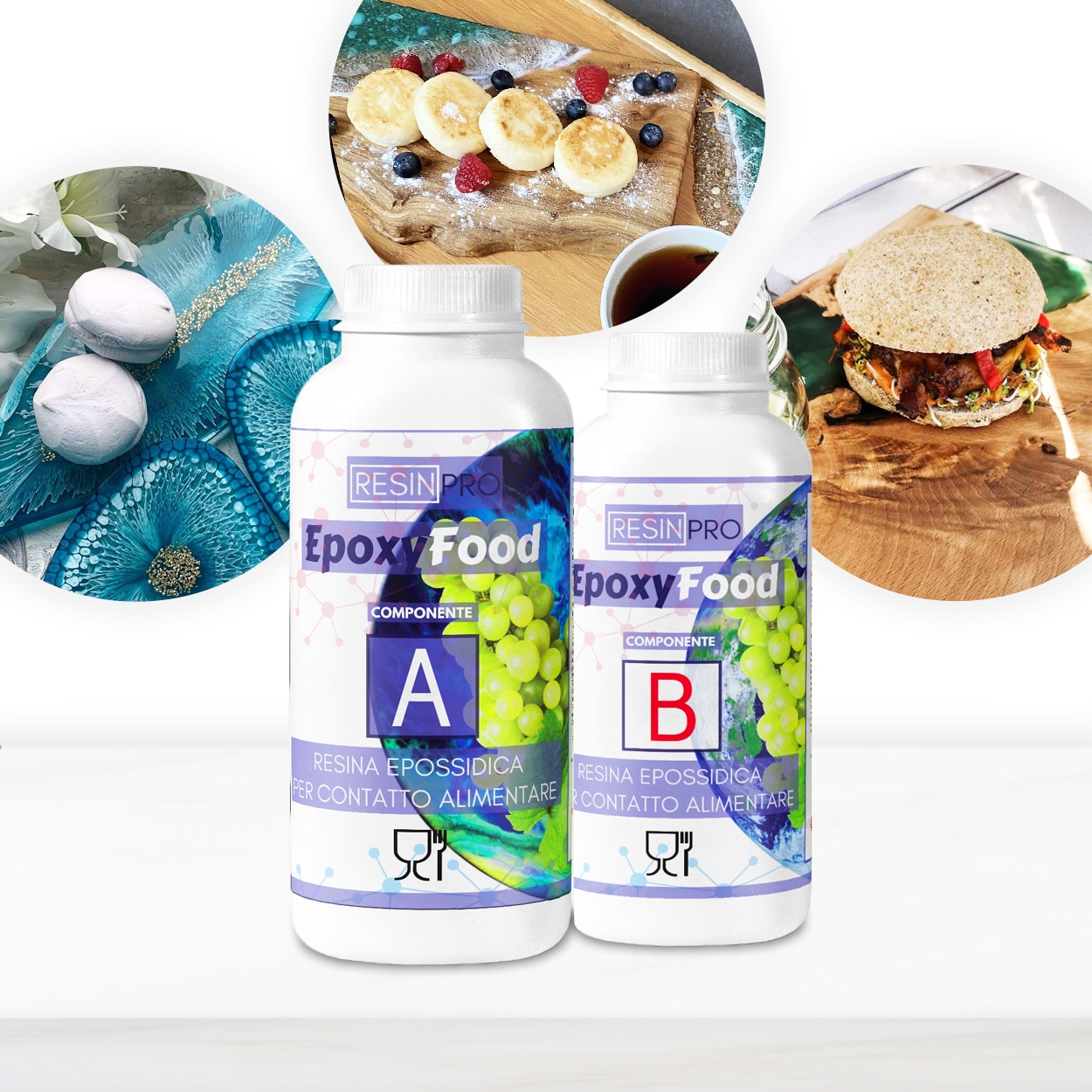
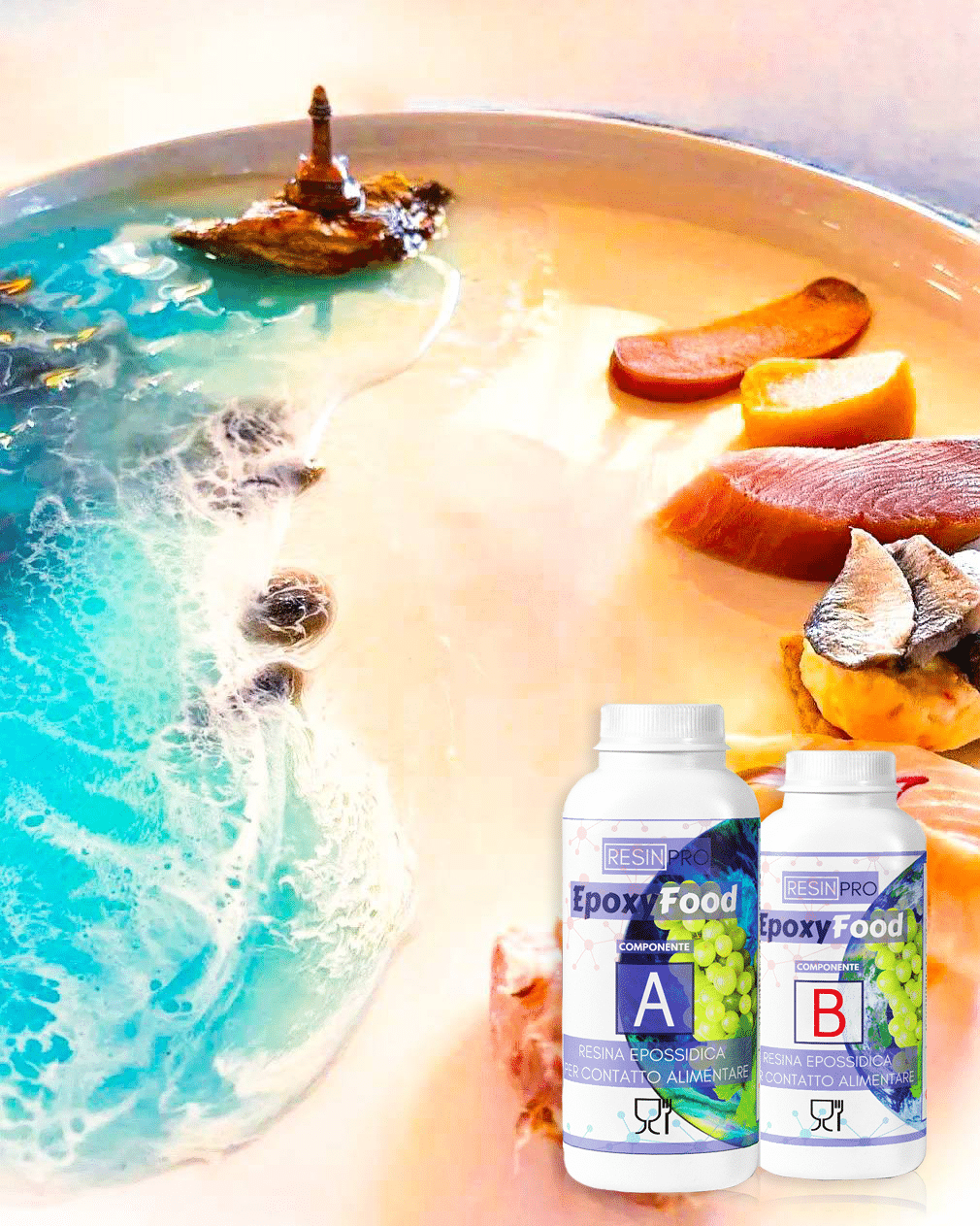
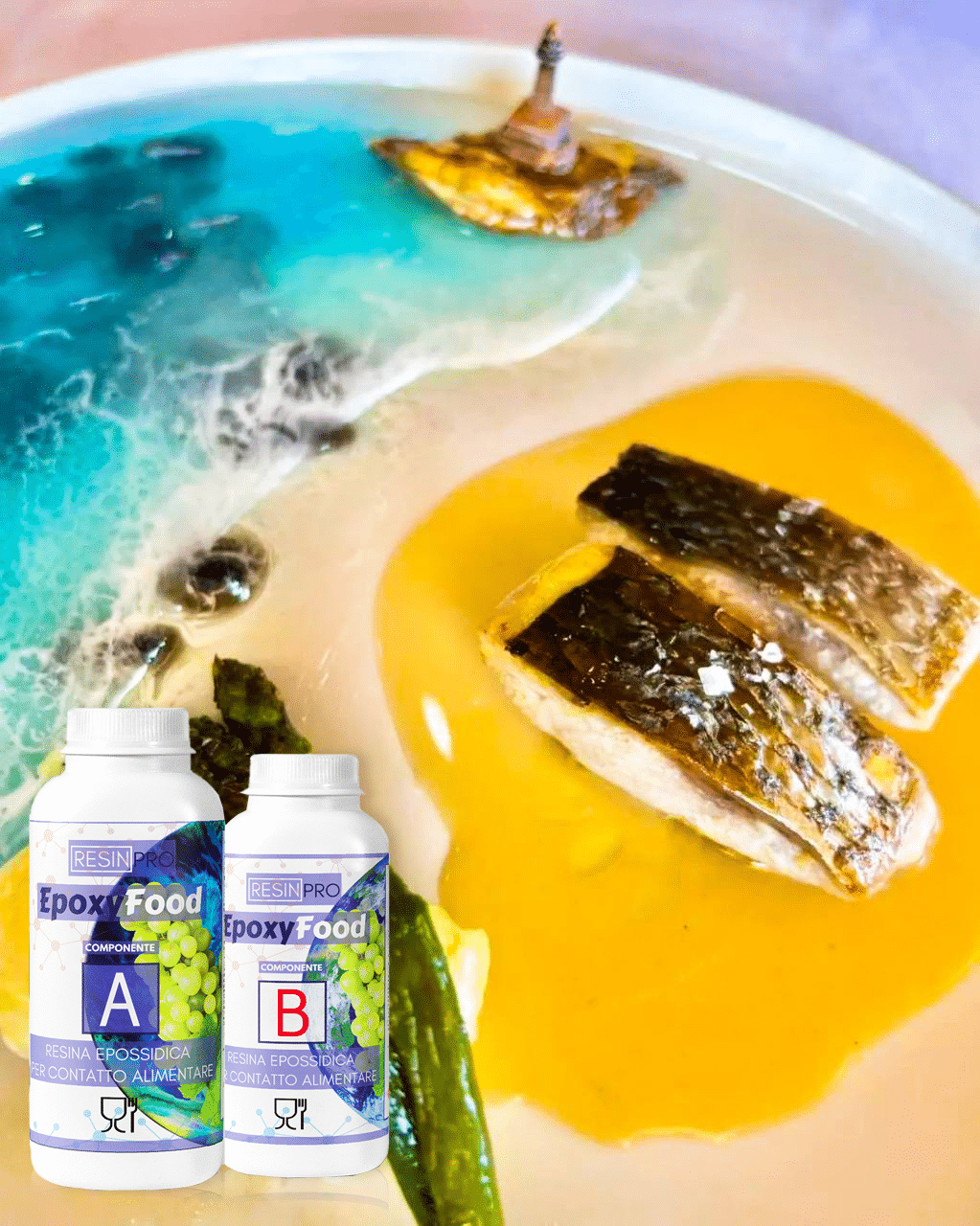
For applications requiring exposure to foods, cleaning agents, or mild acids, opt for a product specifically designed with chemical resistance in mind. For example, EpoxyFood has been engineered to oppose common kitchen chemicals, helping surfaces stay clear and glossy for years to come when properly maintained.

Choosing the Right Resin for Chemical Resistance
When durability against chemical exposure is important, always review the product information and intended uses. Some resins are reinforced or blended for heavy-duty repairs and industrial settings, such as CROP 2K Fiberglass Putty, known for tackling metal and plastic repairs while withstanding chemical and moisture assault. Others, like multipurpose clear epoxies, incorporate UV filters and modest chemical resistance suitable for table coatings and decorative pieces.
- For food-safe and acid-alkali resistance: consider EpoxyFood.
- For enhanced structural and moisture protection: use fibreglass-reinforced repair putties.
- For general art or surface work: choose a UV-protected, scratch-resistant multipurpose epoxy like “Trasparente”.
When Chemical Resistance Matters Most
Opt for chemical-resistant resin when the surface could face food contact, everyday cleaning, garden chemicals, or exposure to mild acids and alkalis. If your project will only see gentle handling or short-term use, standard clear epoxies are likely sufficient. For lasting protection in demanding settings, prioritise products tested for chemical durability.

Related products
Related guides
Being mindful of chemical exposure allows you to match the resin to your exact needs, ensuring longevity and appearance. For more insights and common corrosion concerns, explore our full guide on what corrodes resin.