 Free shipping on orders over £29,85
  Shipping Tracking!


 Google
 Facebook
← Back to Where to buy F5000 resin?
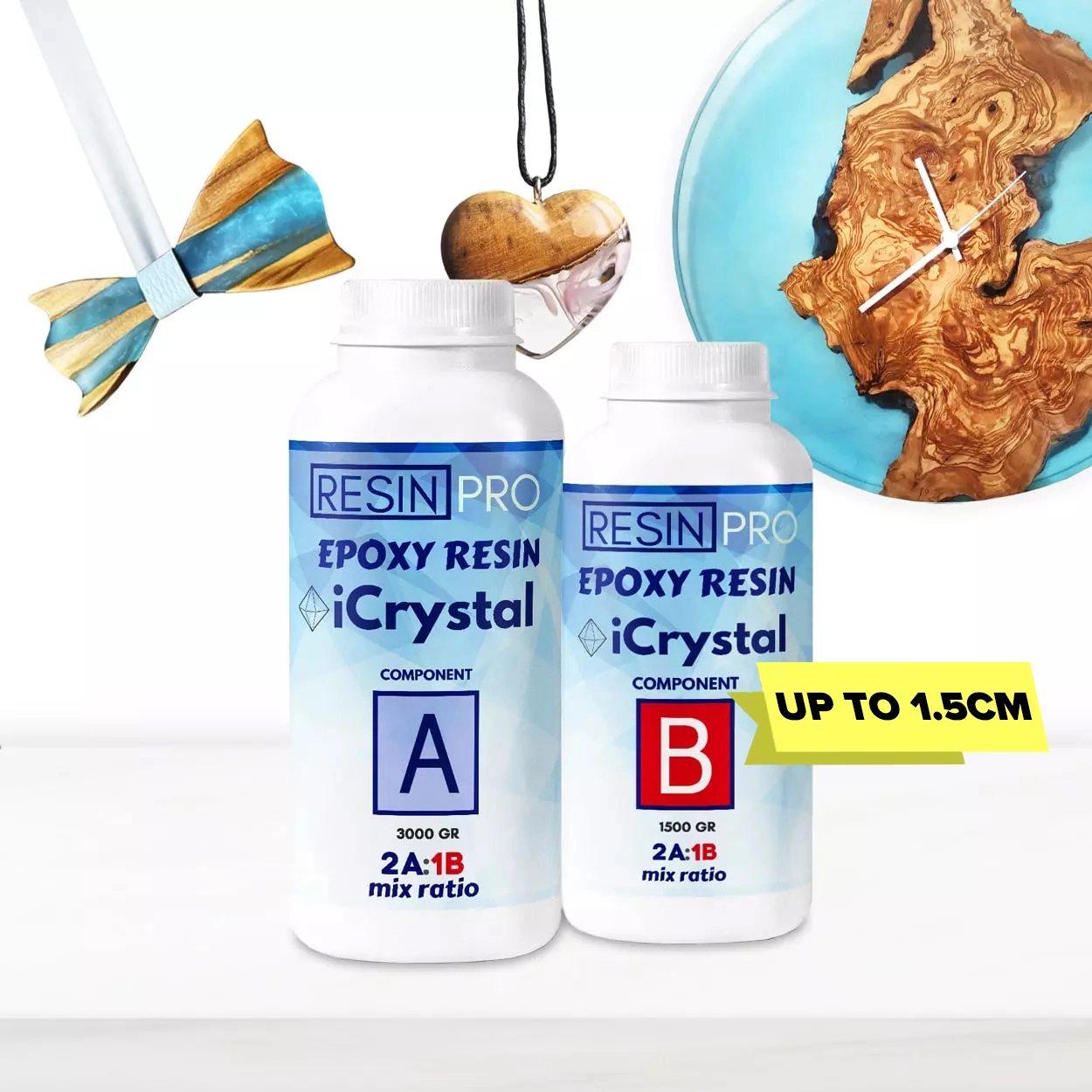

When choosing a resin for your project, understanding the difference between clear casting resin and deep pour epoxy is key to getting the results you want. Each type has its own strengths, making it better suited for certain applications.
How Clear Casting Resin Differs from Deep Pour Epoxy
Clear casting resin is designed for thin pours, typically up to about 1.5cm per application. It excels in providing high clarity and a sleek finish, which makes it a favourite for artistic projects, jewellery making, thin coatings, and surface sealings. Deep pour epoxy, on the other hand, is engineered for thicker layers—commonly up to 5cm in a single pour. This allows you to create large pieces, such as river tables or deep castings, without the risk of overheating or incomplete curing that standard resins may face when poured thick.


Which Should You Use For Your Project?
- Choose clear casting resin if your project involves thin coatings, embedded objects, or detailed works like coasters and art panels. Its quick curing and pristine finish make it ideal for such tasks. “Icrystal” – Clear Epoxy Resin is a reliable option for this.
- Pick deep pour epoxy for thicker slabs, furniture pieces, or anything that requires a solid, transparent fill over 2cm thick. Deep pour formulations like EpoxyTable 5-Five are made for these uses, minimising heat build-up and ensuring clarity throughout the deeper mass.
When This Matters
Selecting the wrong resin can result in issues like yellowing, cracks, or incomplete cures. For substantial projects needing clarity through thick sections, only a deep pour epoxy will ensure safe curing and optimal appearance. Meanwhile, if you’re working with delicate crafts or surface art, clear casting resin provides the best finish and ease of use.

Related products
Related guides
Choosing between clear casting resin and deep pour epoxy boils down to your project needs—thickness and finish. By understanding these differences, you can select the perfect product for your requirements. For more information on sourcing quality resins, see our Where to buy F5000 resin? guide.