 Free shipping on orders over £29,85
  Shipping Tracking!


 Google
 Facebook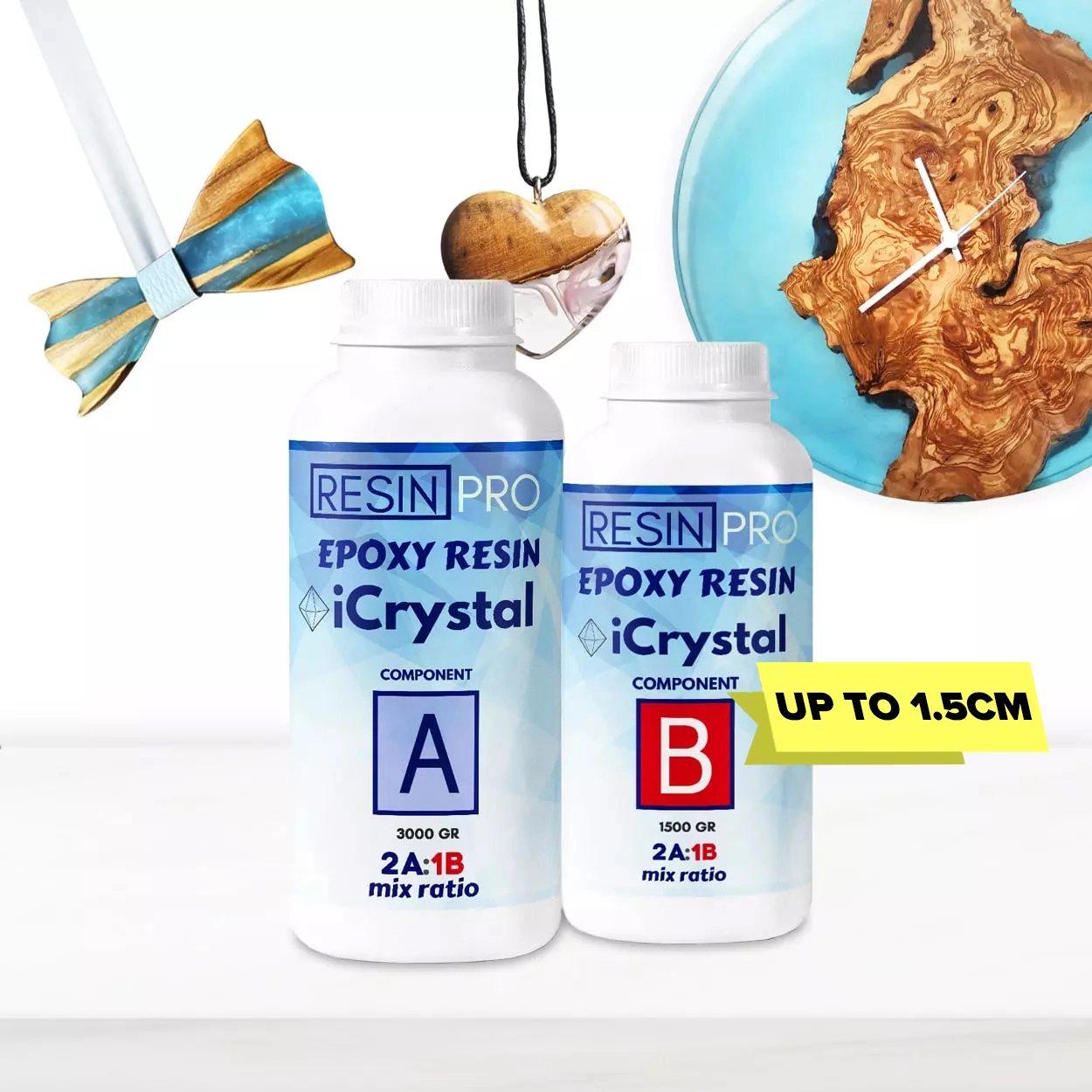
Epoxy resin is widely chosen for its ability to create glass-like, protective finishes on tables, artworks, and surfaces. Achieving a smooth, durable coating requires the right technique and an understanding of product options.
How Epoxy Coating Works
Epoxy coatings involve pouring or brushing a self-levelling liquid resin over your surface. Once cured, it forms a hard, glossy, and transparent layer that protects against scratches and moisture. This process is ideal for tables, countertops, and artwork, delivering both aesthetics and durability in one go.
Products like “Icrystal” epoxy resin are formulated specifically for clear, odourless surface finishing. Choosing a dedicated coating resin ensures a high-gloss appearance with excellent clarity.
Choosing the Right Resin for Your Project
Match your resin to your project’s thickness and style. For table coatings and surface finishes where a single layer up to 1.5cm is required, “Icrystal” delivers a crystal-clear, UV-resistant finish. For decorative artwork or embedded elements needing slightly thicker layers, “Trasparente” supports pours up to 2cm. Larger coatings or deep pour effects, such as for river tables or thick countertops, benefit from deeper casting products like “EpoxyTable 5-Five” for up to 5cm without overheating risks.
- For thin coatings: Use products intended for surface finishing.
- For layers above 1.5cm: Select a resin rated for your chosen thickness.
- Always check for UV filters when your surface will be exposed to light.
Tips for a Flawless Finish
Preparation is key: ensure your working area is dust-free and your surface is clean before application. Mix the resin carefully, following the manufacturer’s ratio and instructions. Apply in a controlled environment and, if you wish to embed items, pour an initial thin layer first, wait for it to partially cure, then place your objects to minimise air bubbles.
Avoid excessive heat during curing, as this can lead to surface imperfections. Allow full curing time before using your coated item to ensure optimal hardness and gloss.
When This Matters
Coating and finishing techniques are vital whenever you want to preserve a wooden tabletop, customise a piece of furniture, or showcase detailed artwork beneath a protective layer. The right epoxy ensures both the longevity and visual appeal of your creation.
Related products
Related guides
Understanding epoxy resin coating and finishing helps you elevate any creative or practical project with professional results. To explore more ways resin can be used, visit our main guide on how resin is used.