 Free shipping on orders over £29,85
  Shipping Tracking!


 Google
 Facebook
← Back to Which resin should I use for decorative permeable surfaces?
Creative resin artists are often drawn to mixed media designs, blending artificial foliage, 3D UV reliefs and more. The key to combining such elements is ensuring compatibility and embedding them with care during the resin process.
Choosing and Preparing Decorative Elements
Before starting your mixed media resin project, select elements like artificial seaweed or small acrylic embellishments with stable, non-reactive bases. Arrange them on your chosen surface and check that none will release moisture or pigments under resin.
- Do a test embedding where possible
- For flat or stable items, fix them in place before pouring resin
Layering UV Volumetric Reliefs and Embedding Methods
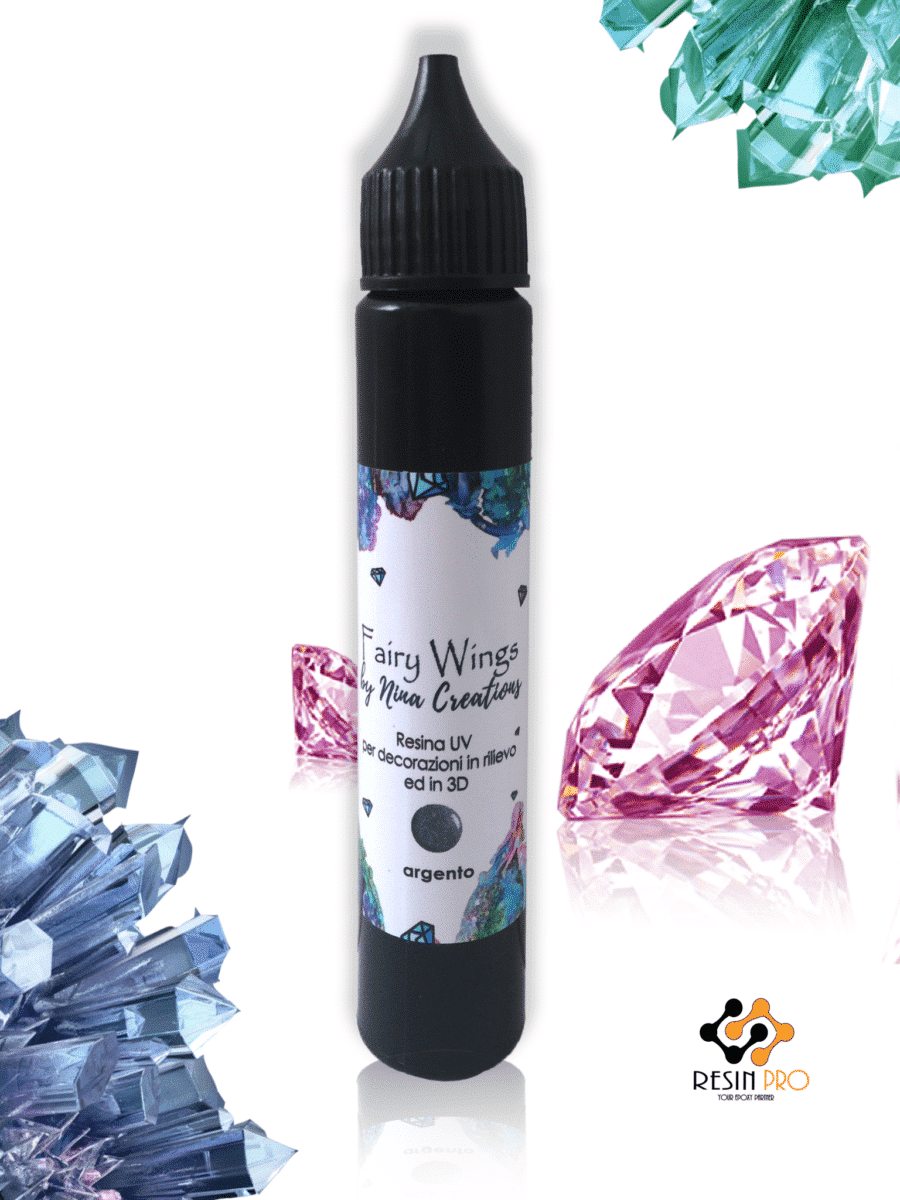
One way to achieve striking depth in your piece is to apply a thin layer of a specialist resin such as “Fairy Wings” UV Resin, allowing fast creation of 3D highlights and textural effects. Cure each layer fully with a UV lamp before adding further resin or elements on top. This helps prevent shifting and maintains crisp design boundaries.
Practical Guidance and Safety
Assembling mixed media resin art requires patience—don’t rush the layering and curing steps. Wear light dust protection if sanding components or adding pigments, and work in a well-ventilated area.
- Disposable dust masks are practical for basic dust protection
When This Matters
Combining decorative elements is especially valuable for custom keepsakes, ocean art, and pieces where texture and dimensionality are key. For items exposed to touch or wear, secure embedding ensures long-lasting results.
Related products
Related guides
Balancing different media in resin opens up endless creative options. For further pointers on selecting the right resin for permeable decorative surfaces, explore our main advice hub for expert recommendations.