 Free shipping on orders over £29,85
  Shipping Tracking!


 Google
 Facebook
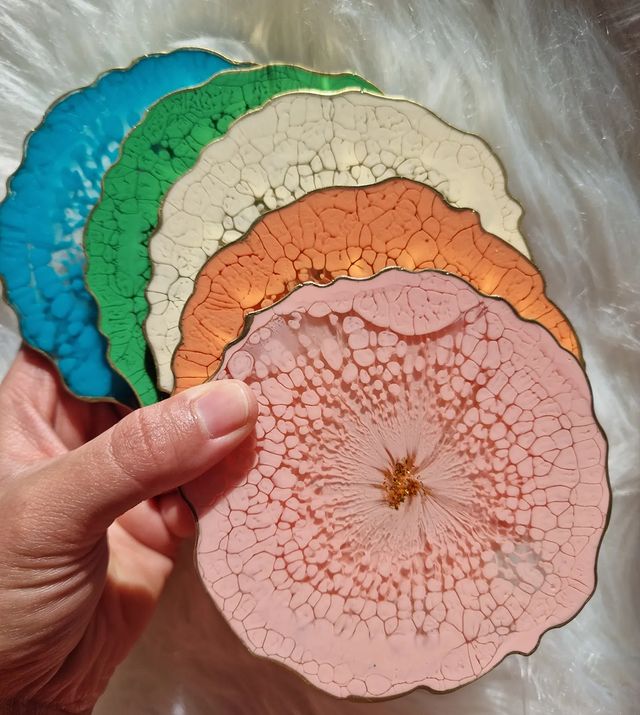
Getting started with resin casting can be exciting, but a few common errors can lead to disappointing results. By understanding what to avoid, you’ll enjoy smoother projects and better-looking creations.
Incorrect Mixing Ratios
Resin and hardener must be measured and combined precisely as specified by your product instructions. Guesswork or rough estimation can lead to a sticky, soft finish—or prevent the resin from curing at all. Always read the manufacturer’s instructions carefully and use suitable mixing tools for accuracy.
- Use separate, marked measuring cups for resin and hardener.
- Stir gently and thoroughly to fully blend both parts, scraping the sides and bottom of the container.


Skipping Protective Gear and Workspace Prep
Working without gloves, a mask, or eye protection can expose you to unpleasant fumes and sticky spills. Lay down protective coverings for your table or floor, and work in a ventilated space. Proper preparation not only protects you but also keeps your finished pieces free from dust and hair.
Rushing the Curing Process
It’s tempting to demould your piece early, but handling resin before it’s fully cured can cause dents or fingerprints. Give your project plenty of time—often several hours or overnight, depending on the resin type—before touching or finishing it. For clear guidance, explore the Resin Class – 3D Effects Coasters Masterclass, which details timelines and troubleshooting tips for beginners.
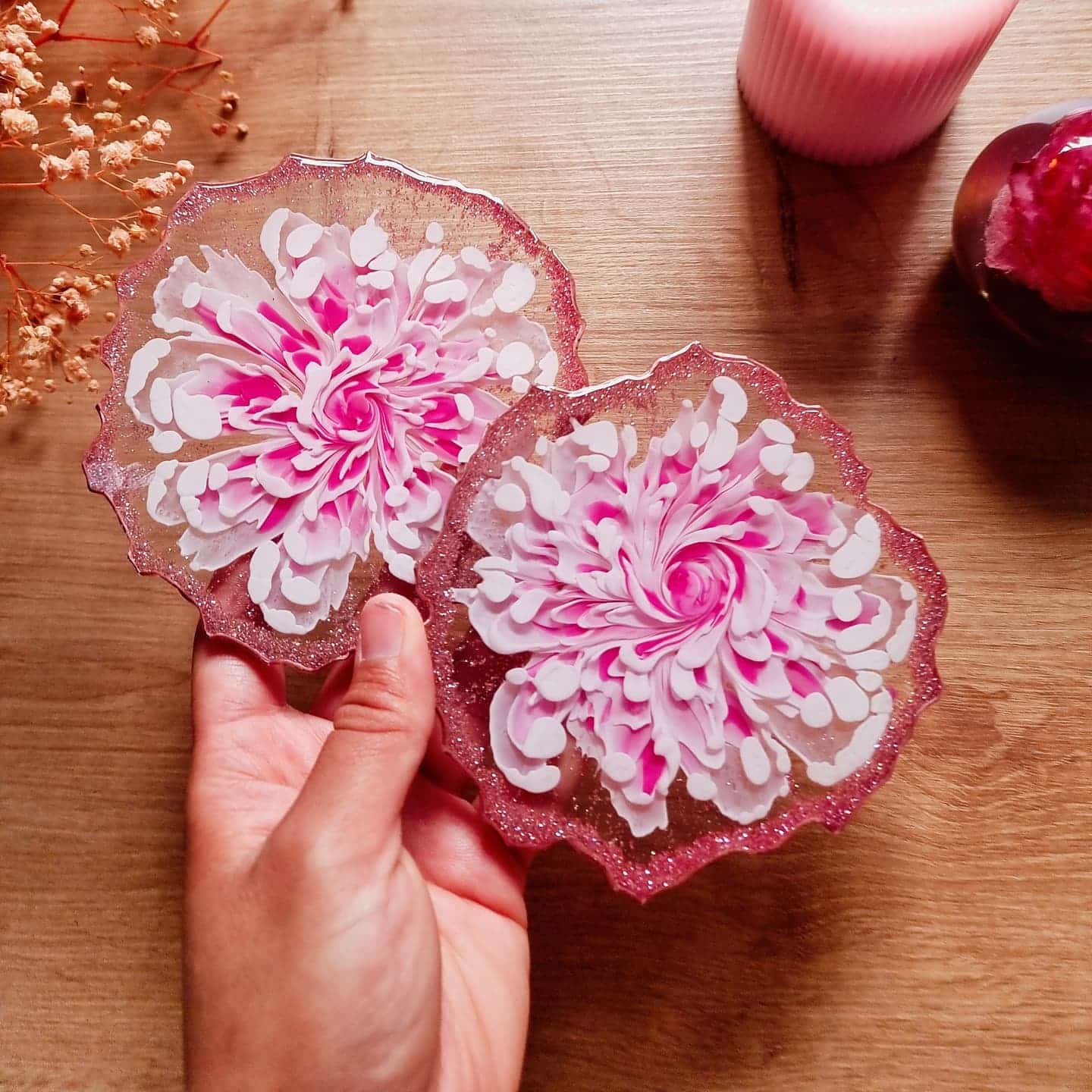
When These Mistakes Matter Most
If you’re making functional items like coasters, pendants or trays, following these tips is crucial for strength and clarity. Well-cured projects are less likely to bend, mark, or discolour over time.
Related products
Related guides
By keeping an eye on these common missteps, you can enjoy consistent, durable results as you explore resin projects. For more guidance, beginner kits and hands-on tutorials, browse our full How to resin? guide.