 Free shipping on orders over £29,85
  Shipping Tracking!


 Google
 Facebook
← Back to How to coat a staircase with resin?
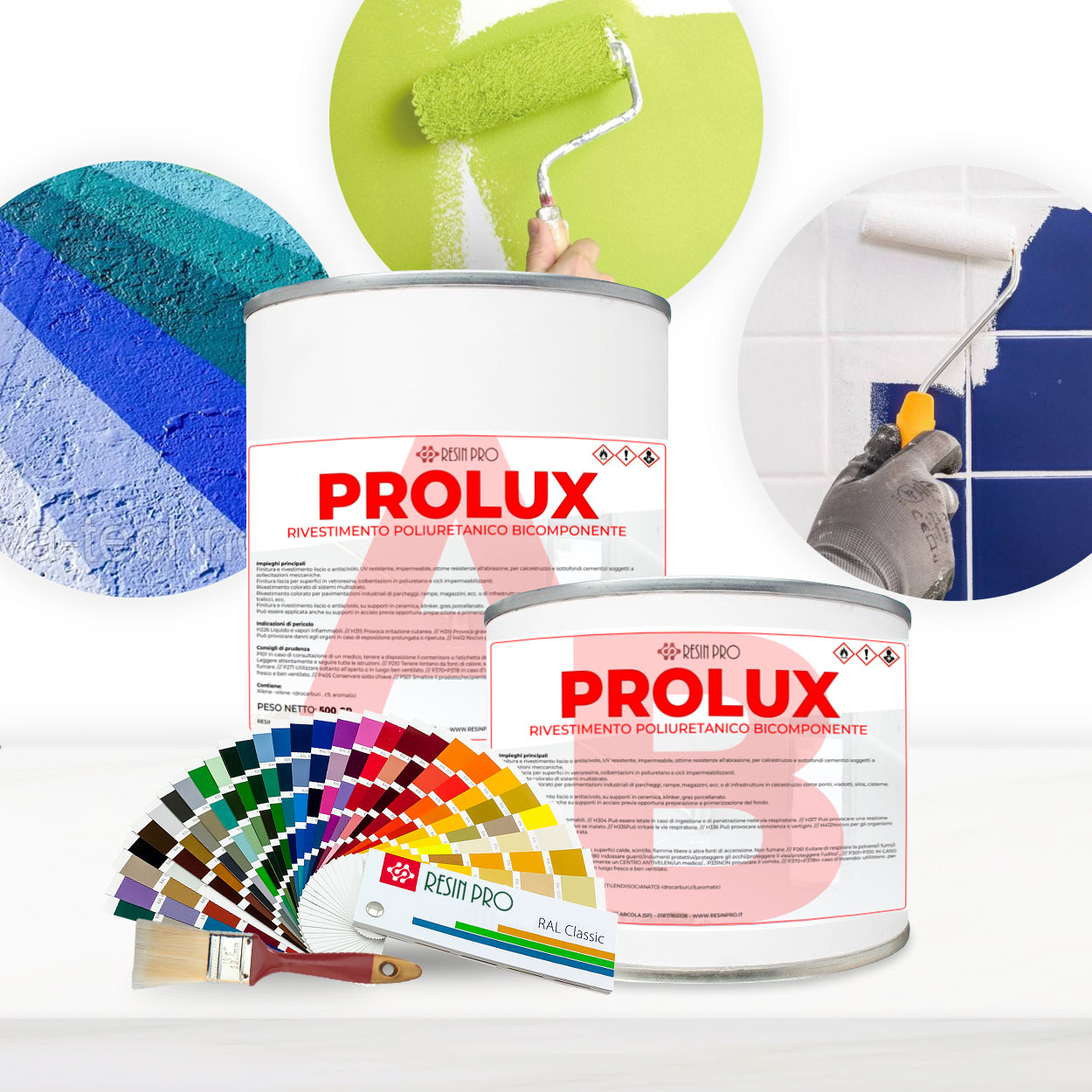
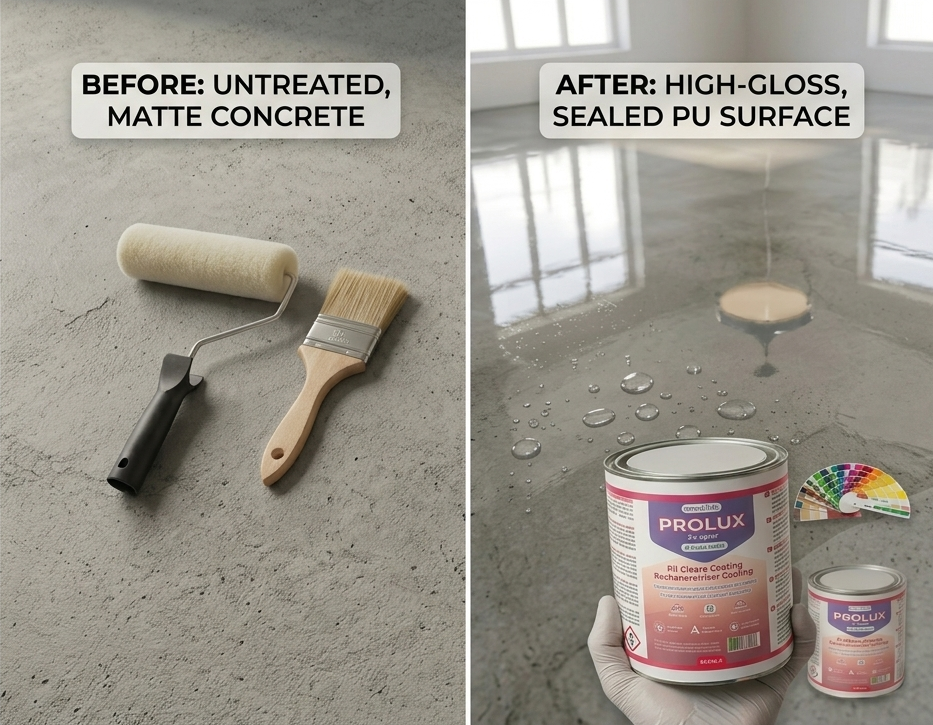
Resin can transform a staircase with its durable finish, but mistakes in preparation or application can impact both appearance and longevity. Here are the most common pitfalls and what to do instead for a flawless result.
1. Inadequate Surface Preparation
One of the most frequent mistakes is applying resin to a surface that has not been properly prepared. Surfaces must be clean, dry, and free from dust, grease, or old coatings. For staircases made from wood, sanding and drying thoroughly is essential. On concrete or tile, any cracks should be patched, and the area should be free from loose particles. Skipping these steps can lead to poor adhesion, blistering, or peeling of the resin layer.
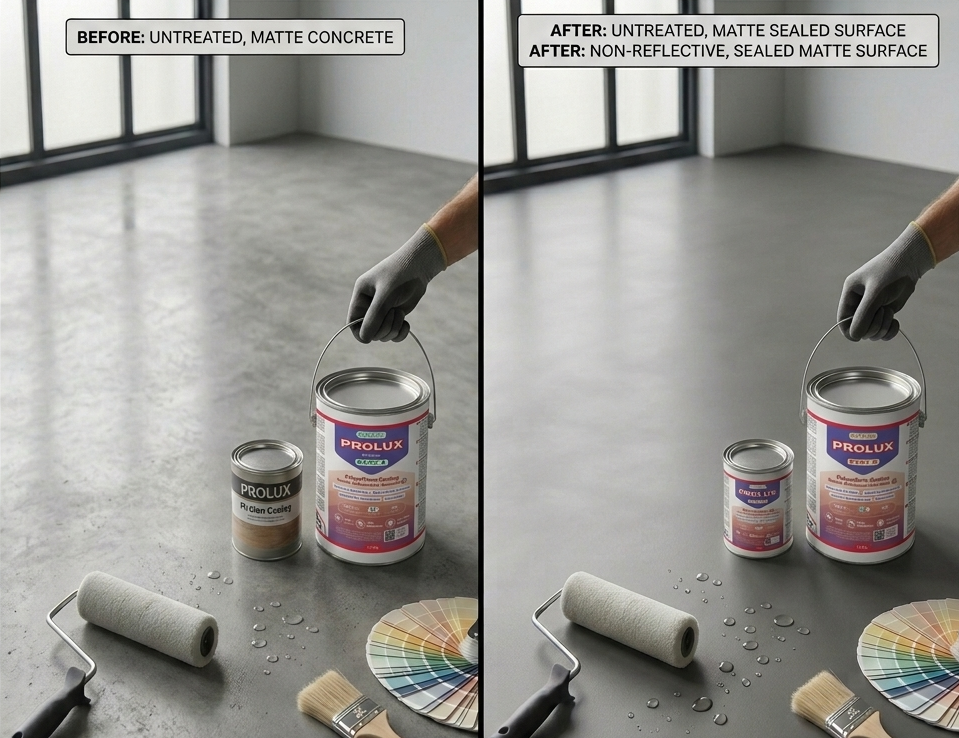
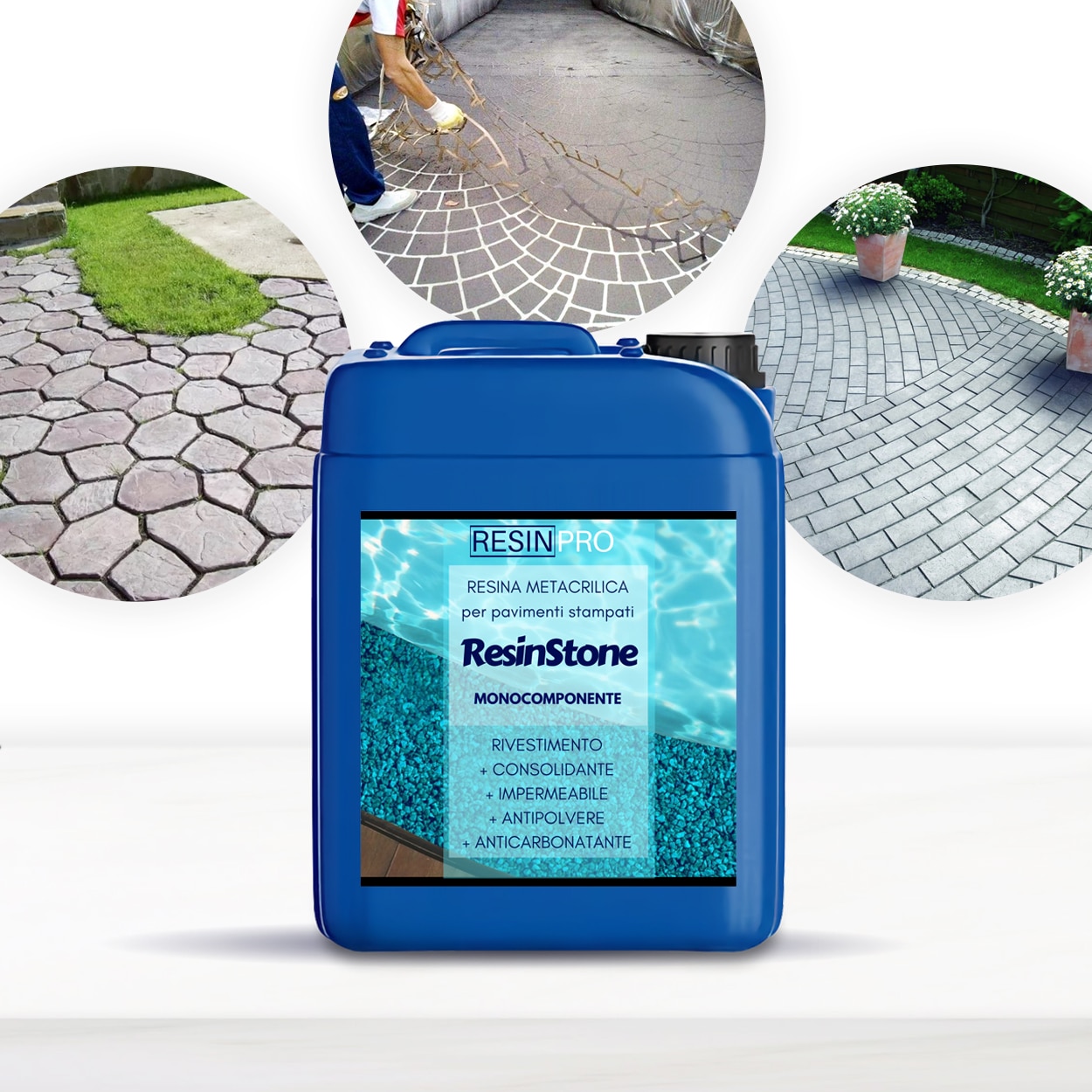
2. Using the Wrong Resin for the Surface
Different surfaces require tailored resin solutions. For example, “Prolux” is best suited to concrete, tile, or metal stairs, while EpoxyWood is specialised for wood restoration. Mismatching products can lead to cracking or lack of protection. Always check the manufacturer’s guidance to ensure the resin is compatible with your staircase material.
3. Overlooking Application Conditions and Instructions
Applying resin under incorrect temperatures or humidity can undermine your coating. For instance, high humidity or low temperatures can interfere with curing. Additionally, incorrect mixing ratios, such as failing to mix two-component resins like Prolux in a 2:1 ratio, result in tacky or uneven finishes. Always follow the recommended instructions carefully for mixing and application.

When This Matters Most
These considerations are especially critical in high-traffic areas or where stairs are exposed to moisture, as proper application directly affects durability and safety of the finished surface.
Related products
Related guides
Avoiding these common pitfalls will help you achieve a smooth, long-lasting resin finish on your staircase. For more detailed guidance on each stage of the process, see our main guide on how to coat a staircase with resin.