 Free shipping on orders over £29,85
  Shipping Tracking!


 Google
 Facebook
← Back to How to use resin to seal?
Resin sealing is ideal for protecting and beautifying a variety of surfaces, from concrete driveways to wooden furniture. However, a few common pitfalls can easily compromise your results if not addressed from the start.
Typical Issues: Bubbles, Cloudiness, and Sticky Patches
It’s not unusual to encounter bubbles trapped beneath the resin, a hazy or cloudy finish, or persistently tacky spots after curing. These outcomes are frustrating but almost always have simple causes—usually related to surface condition, mixing method, or environmental factors. For example, an improperly cleaned or damp surface can prevent the resin from bonding and curing evenly, while inaccurate mixing ratios may leave one part of the cure incomplete and sticky.

How to Achieve Smooth, Lasting Results
- Surface preparation: Make sure the substrate is clean, fully dry, and free of grease, dust, or coatings before applying resin. Sanding and wiping down can help create a strong foundation.
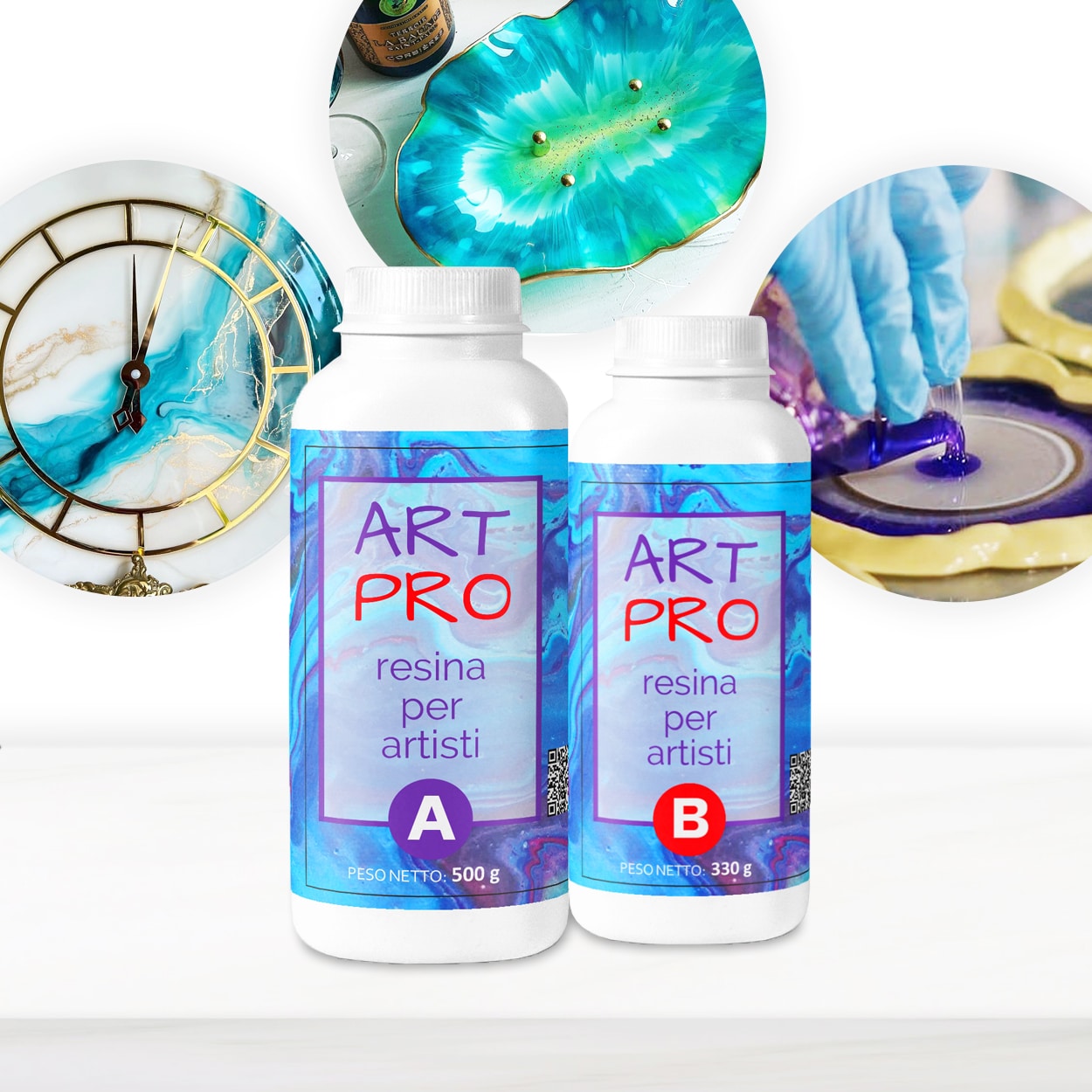
- Accurate mixing: Always follow the manufacturer’s recommended mixing ratio. For example, “Art Pro” Epoxy Resin uses a straightforward 3:2 ratio by weight—measure carefully for a thorough cure without stickiness.
- Controlling application conditions: Work in a well-ventilated, dust-free environment, avoiding very cold or humid days which can slow or affect the cure.
- Dealing with bubbles: Pour resin in thin layers and, where possible, use a heat gun at a distance to gently remove surface bubbles before the resin sets.
When This Matters Most
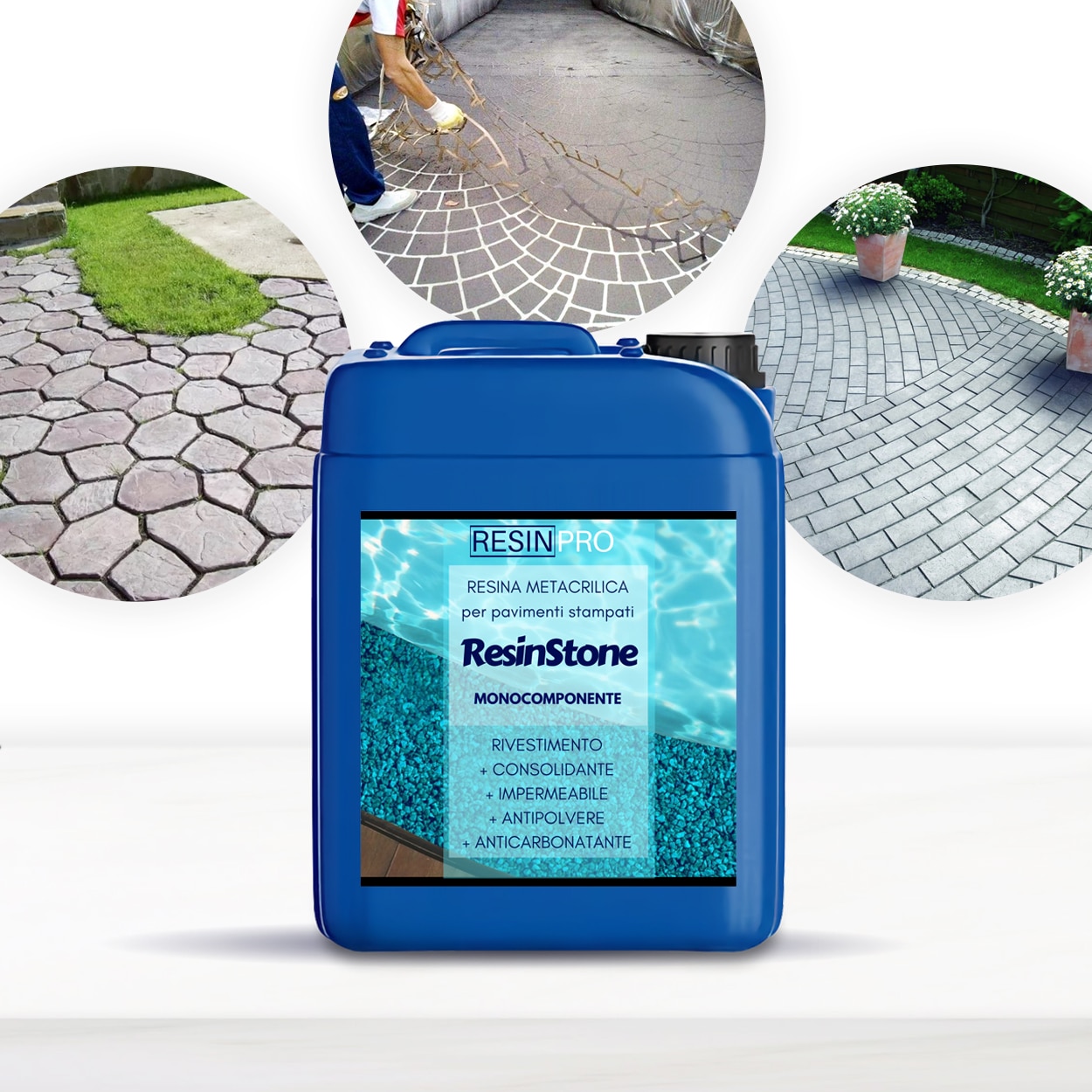
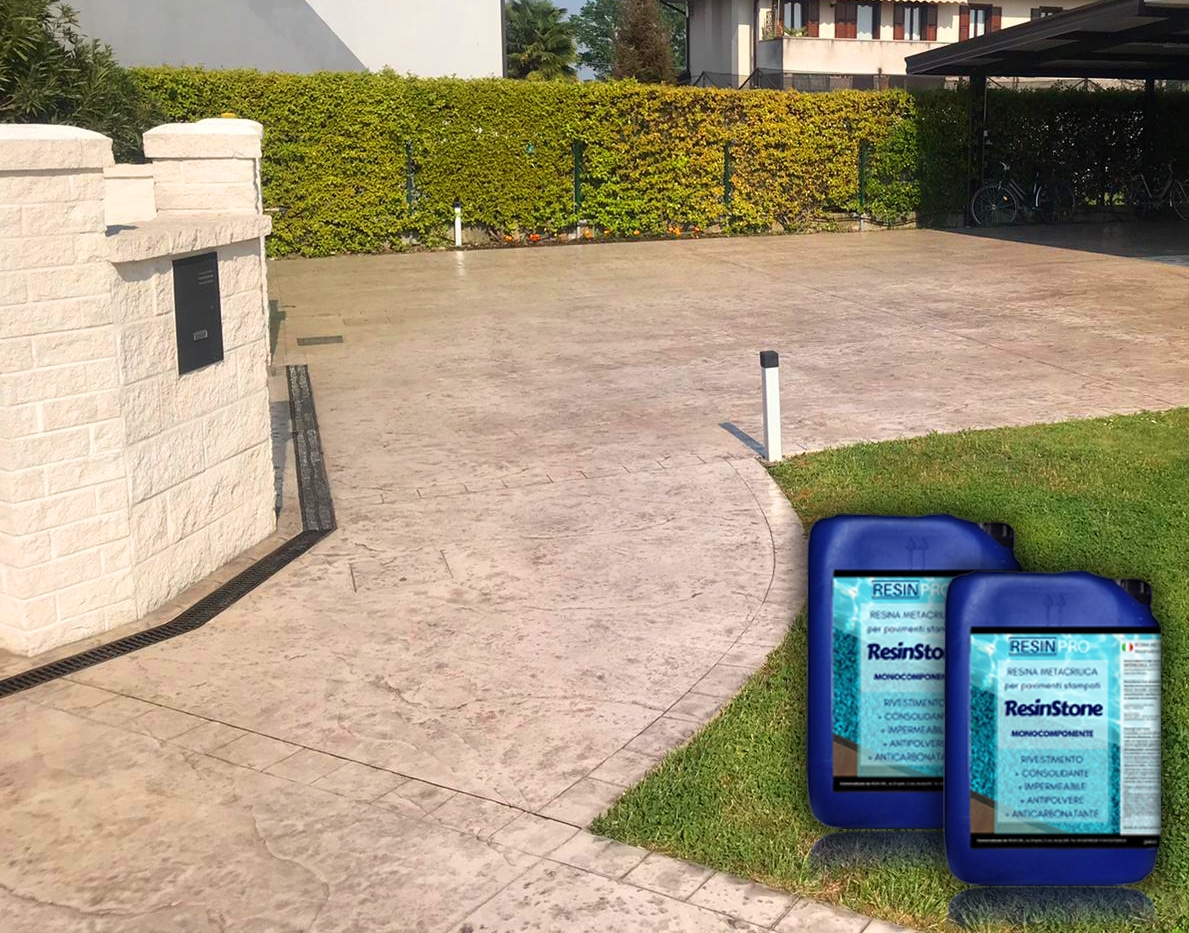
If you’re sealing surfaces that will take daily wear or need to be waterproof—such as countertops, floors, or outdoor driveways—avoiding these issues is particularly important for long-term durability. Choosing the right formulation, like Resinstone for concrete or EpoxyWood for timber, can help prevent problems from the outset.

Related products
Related guides
By understanding and preventing these common issues, you’ll get the most reliable and attractive results from your next resin sealing project. For further tips and to explore the right products for your needs, see our main guide on how to use resin to seal.