 Free shipping on orders over £29,85
  Shipping Tracking!


 Google
 Facebook
← Back to How are resin floor effects created video?
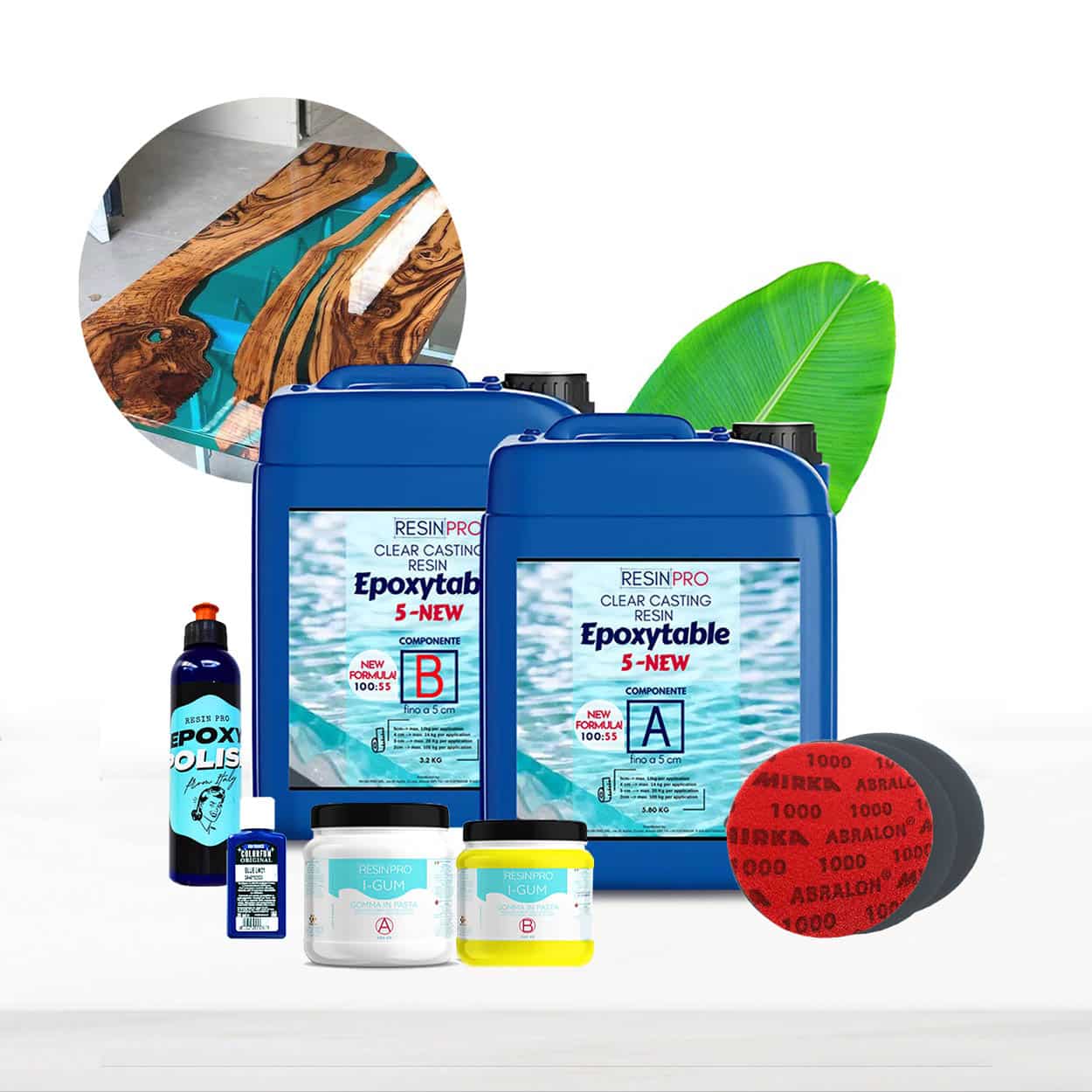
When working with epoxy resin projects, achieving a reliable seal on your formwork is essential for smooth results. Silicone rubber is a trusted choice, providing a secure barrier that prevents resin leaks and helps achieve professional-quality casts for floors, tables, and crafts.
Why Silicone Rubber for Formwork?
Silicone rubber stands out for its flexibility and durability. It conforms closely to the edges and corners of your formwork, blocking any gaps where resin might escape during casting. Its non-stick properties also ensure that once your resin sets, demoulding is simple and clean, reducing the risk of damage to your finished project.
How to Apply Silicone Rubber for Sealing
- Prepare your formwork by ensuring all surfaces are dry and dust-free.
- Apply a continuous bead of silicone rubber in all joints and corners where leakage could occur.
- Smooth the bead with a tool or gloved finger for a tight seal and leave to set according to the manufacturer’s instructions before pouring resin.
For beginners, complete kits such as the “River-Table” – Complete Kit for Creating Your First Epoxy Resin Table include both epoxy resin and silicone rubber, along with step-by-step guidance to help ensure your formwork is perfectly sealed from the outset.
When Reliable Sealing Matters Most
If you’re working with resin on large surfaces or deep pours, any gap can lead to messy leaks, wasted material, and imperfect edges. Using a quality silicone rubber seal is especially important in projects like resin tables, countertops, or detailed decorative features—any situation where formwork integrity directly impacts your final result.
Related products
Related guides
Ensuring your formwork is sealed with silicone rubber is a simple yet vital step towards achieving the striking resin floor effects seen in many video demonstrations. Explore more practical tips and techniques on our main guide to resin floor creation for truly standout results.