 Free shipping on orders over £29,85
  Shipping Tracking!


 Google
 Facebook
← Back to How to stretch resin to save money?
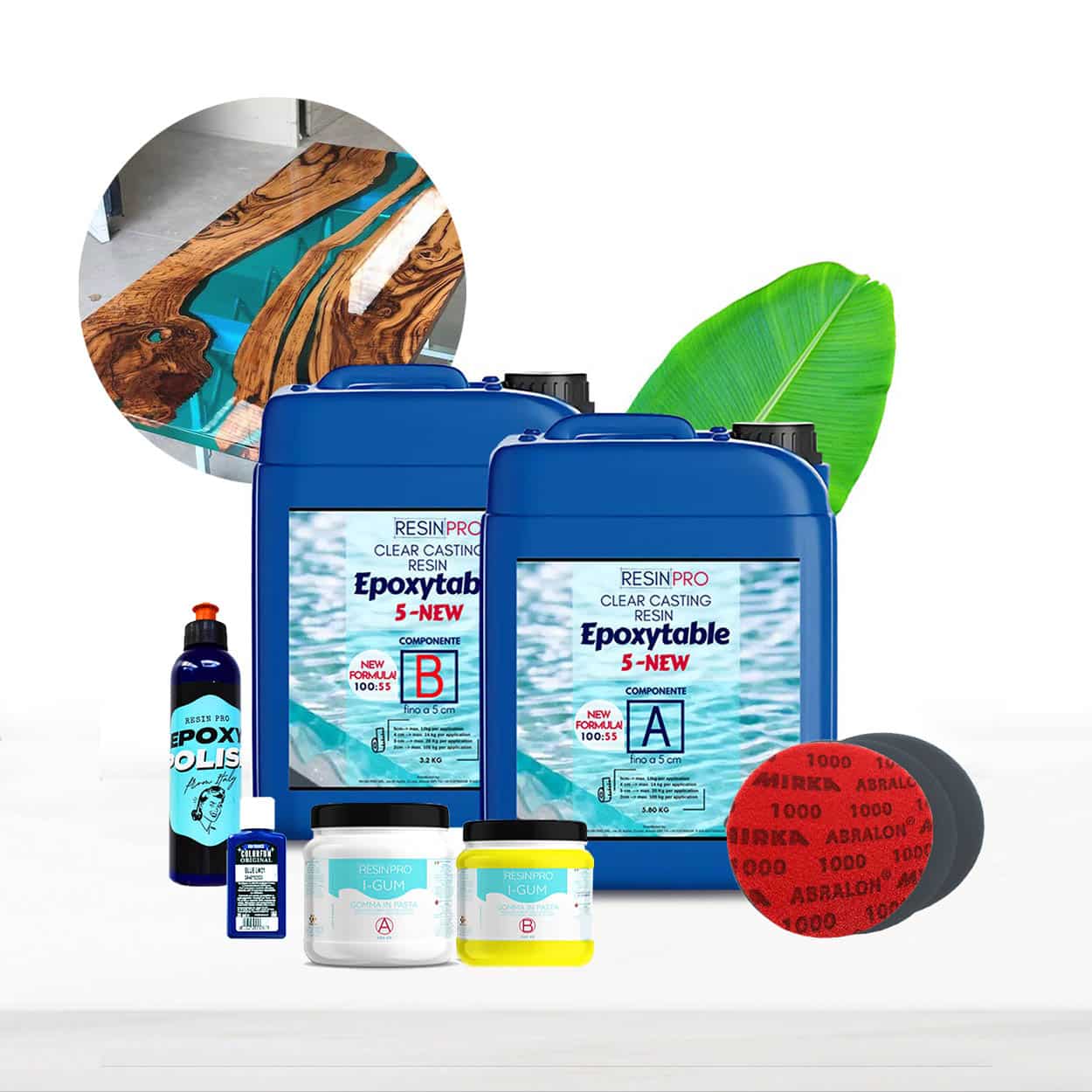
Achieving a flawless resin project begins with careful preparation, especially when pouring into a mould or frame. Using a special silicone paste for sealing formwork ensures resin stays exactly where you want it, preventing waste and mess.
Why Use a Special Silicone Paste?
Resin pour projects are only as successful as their preparation. Standard tapes or basic sealants may not always prevent leaks at formwork joints, especially with deep-pour epoxies. A dedicated silicone paste is specifically formulated to adhere well to the materials commonly used for formwork, providing a secure and flexible barrier that stops resin from escaping even under extended curing times.
How to Apply Silicone Paste for Best Results
- Apply a continuous bead of silicone paste to every joint and corner where panels meet.
- Use a gloved finger or spatula to smooth out the paste, ensuring full coverage and no gaps.
- Allow the paste to set as per instructions before assembling your mould and pouring your resin.
Many starter kits, such as the River-Table Complete Kit, include this type of silicone for convenience and reliable results.
When This Matters Most
Using a proper silicone sealant is crucial for larger or deeper pours, such as river tables or thick decorative panels. Not only does it prevent costly leaks, but it also helps you use resin more efficiently—saving money and reducing frustration.
Related products
Related guides
Reliable formwork sealing forms the foundation of any successful resin project, helping stretch your resin further and avoid costly mishaps. For more cost-saving tips on resin use, explore the main guide on how to stretch resin to save money.