 Free shipping on orders over £29,85
  Shipping Tracking!


 Google
 Facebook
← Back to How do you harden resin?
Temperature has a major impact on resin curing. If you’re working in a cold environment, understanding how temperature influences the hardening process will help you avoid sticky, under-cured results.
How Cold Affects Resin Curing
Resin cures much more slowly—or sometimes incompletely—when temperatures drop below optimal levels. Low temperatures can prevent the chemical reaction from happening efficiently, resulting in soft or tacky projects. For best results, always work in conditions above 20°C if you’re using traditional epoxy or acrylic resins. Trying to cure resin in a workshop that’s too cold often leads to disappointing and unpredictable finishes.
Tips for Reliable Resin Hardening in Cool Conditions
- Warm Your Workspace: Where possible, ensure your craft area stays at or above room temperature (around 20–25°C), using space heaters or heating mats as required.
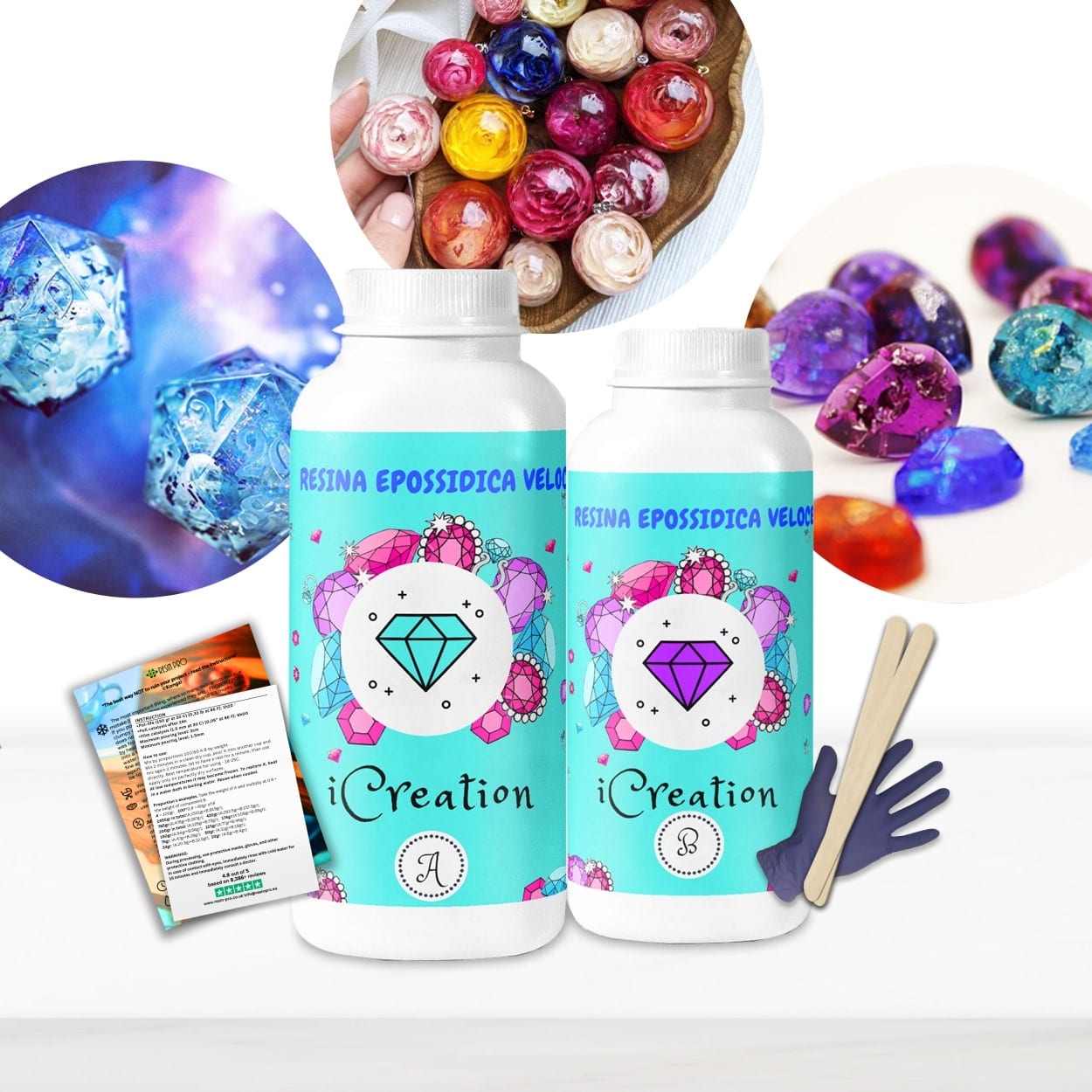
- Use Rapid-Cure Products: Fast-curing resins such as ICreation Fast Epoxy Resin help offset slowdowns caused by mild temperature dips, but even they require a warm enough environment to reach full hardness.
- Consider UV-Cure Options: Acrylic resins paired with a UV torch can be cured under ultraviolet light, providing some flexibility if ambient temperatures are not ideal—although UV exposure, not temperature, drives this curing process.
When This Matters Most
This issue is especially relevant for those working in garages, sheds, or unheated studios during autumn and winter. If your resin isn’t setting as expected, temperature is nearly always the culprit. Allowing resin to cure in the correct environment saves time, materials, and frustration.
Related products
Related guides
Keeping your resin projects warm is crucial for a complete, reliable cure. For more on effective resin hardening and to explore suitable products, visit our main resource on how to harden resin.