 Free shipping on orders over £29,85
  Shipping Tracking!


 Google
 Facebook
← Back to Which resin is best for wood?

If you’re planning a resin project that involves thick layers—such as river tables, embedded objects, or sculptural pieces—the right deep pour epoxy can make all the difference. Selecting the appropriate product ensures clarity, durability, and a flawless finish for your woodwork.
What is Deep Pour Resin and When Should You Use It?
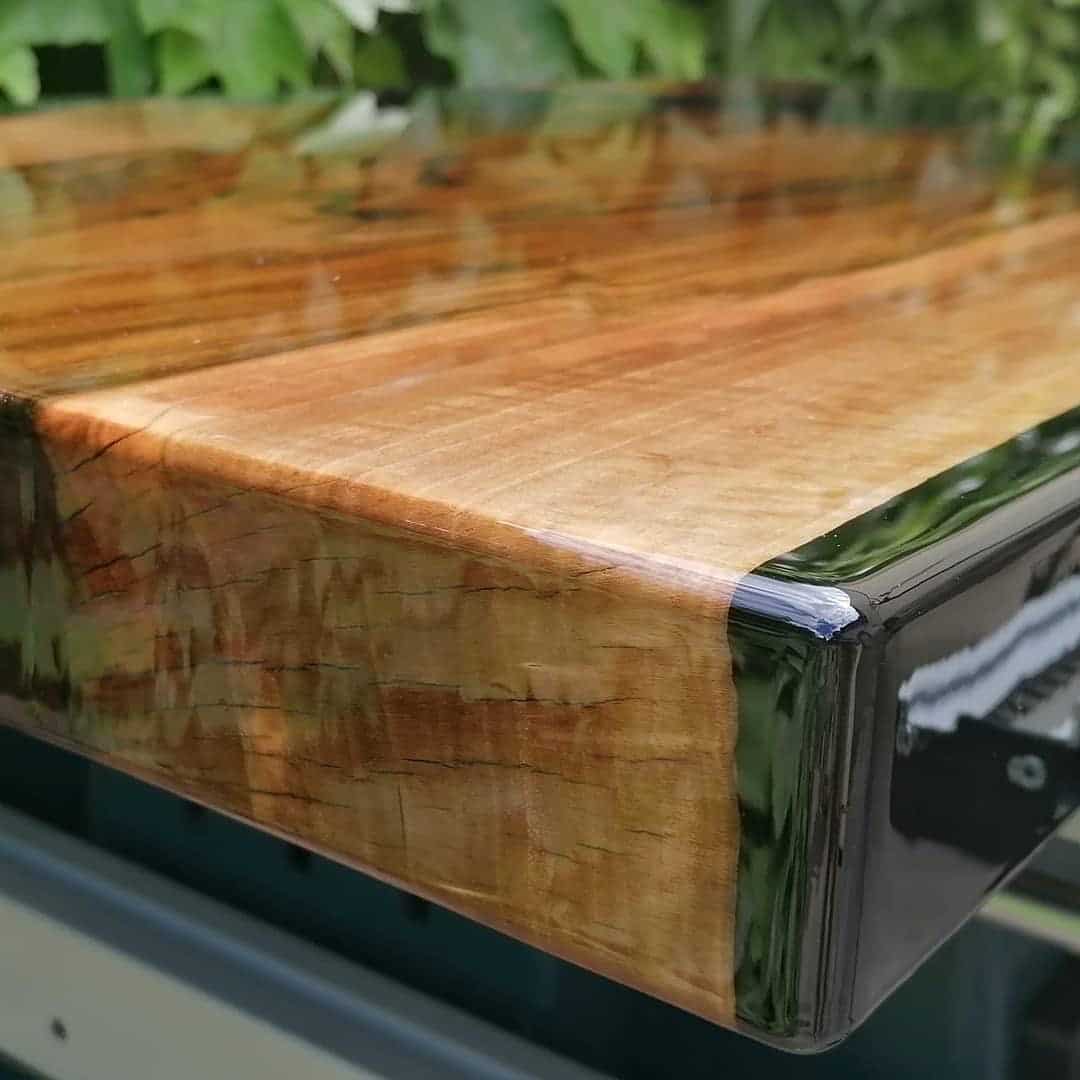
Deep pour epoxy resins are specially formulated for projects requiring casting depths typically greater than standard coatings—often between 2cm and 10cm in a single pour. These resins cure slowly, preventing cracking and overheating that can occur with thick applications. They’re ideal for making artistic tables, river tables, decorative blocks, and large sculptures involving wood.
- Choose deep pour resin for table tops with rivers or embedded objects.
- Opt for these resins for thick mould casting and large wood infills.
Selecting the Right Epoxy for Your Project Depth
Resin choice depends on the depth and dimensions you’re working with. For pours up to 10cm thick and projects with large surface areas, Epoxytable 10-Ten is ideal due to its low exothermic reaction and UV protection. For medium-depth pours up to 5cm, such as river tables or countertops, EpoxyTable 5-Five offers a balance between clarity and workability. Shallower castings (up to 2cm) or detail projects are best paired with “Trasparente” resin for a crystal-clear finish.
Tips for Successful Deep Pour Casting
- Always check recommended maximum pour depth for your chosen resin and never exceed manufacturer guidelines.
- Pour in layers if your project exceeds the maximum safe thickness for a single pour.
- Ensure wood is dry and sealed to prevent air bubbles and moisture issues.
- Allow sufficient curing time between layers to avoid cloudiness or incomplete curing.

When This Matters Most
Deep pour epoxies are essential for larger, statement pieces like river tables or when embedding large objects within wood. Using unsuitable resin for these projects risks overheating, yellowing, or failed curing—potentially spoiling expensive hardwood and wasting hours of creative work.
Related products
Related guides
Choosing the right deep pour resin is key to achieving both structural integrity and visual impact for wood and resin projects. For more guidance on selecting the best resin for your needs, explore our main guide on Which resin is best for wood?.