 Free shipping on orders over £29,85
  Shipping Tracking!


 Google
 Facebook
← Back to How are epoxy resins made?

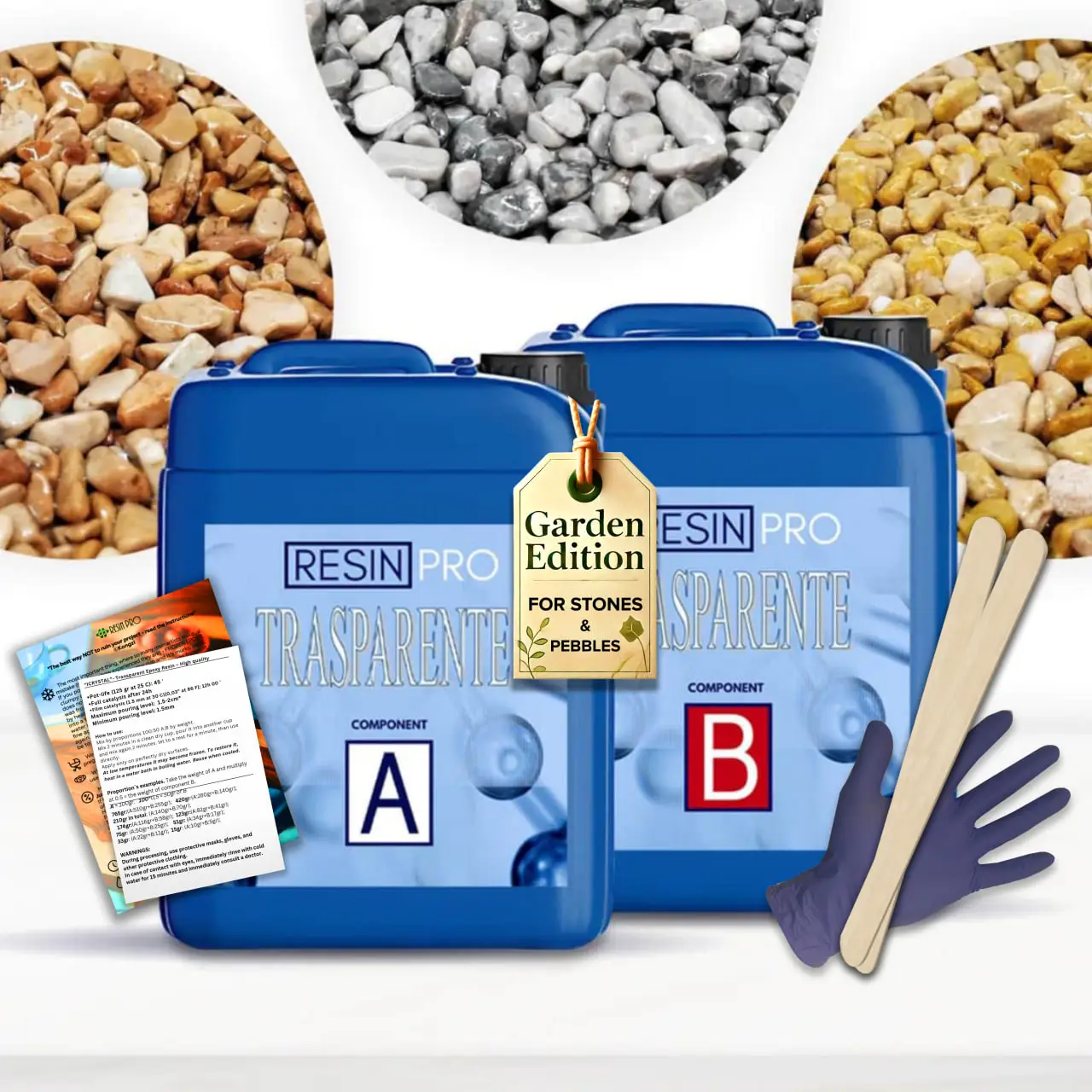
When starting an epoxy project, it’s important to understand the key differences between casting and coating epoxies. Choosing the right type helps ensure a smoother process and better final results.
What Sets Casting Epoxy Apart?
Casting epoxy is engineered for deep pours, allowing you to create thick, clear layers without overheating or trapping excess bubbles. Its long open time and slow curing rate help achieve bubble-free results in applications such as resin river tables or decorative objects with moulds of several centimetres in depth. For instance, Epoxytable 10-Ten is specifically formulated for deep castings up to 10cm thick, making it ideal for large-scale and artistic projects.


How Coating Epoxy Functions
Coating epoxies are best used in thin layers—typically 1–3mm—providing a protective, glossy surface. These resins are designed to cure more quickly, making them suitable for sealing tabletops, art, or creating food-safe surfaces. For example, EpoxyFood offers a safe and clear finish for items like plates and worktops. Rapid curing ensures less time between coats and helps produce a durable finish with minimal effort.
When This Matters Most
- Choose casting epoxy for projects involving thick layers or deep moulds, such as resin river tables or large decorative items.
- Opt for coating epoxy when you need a fast-setting, protective layer on flat surfaces, artwork, or coatings that require clarity and durability.

Related products
Related guides
Selecting between casting and coating epoxy ensures your project’s success and longevity. To explore further into epoxy resin chemistry and uses, visit our parent guide on how epoxy resins are made.