 Free shipping on orders over £29,85
  Shipping Tracking!


 Google
 Facebook
← Back to How are resin creations made?
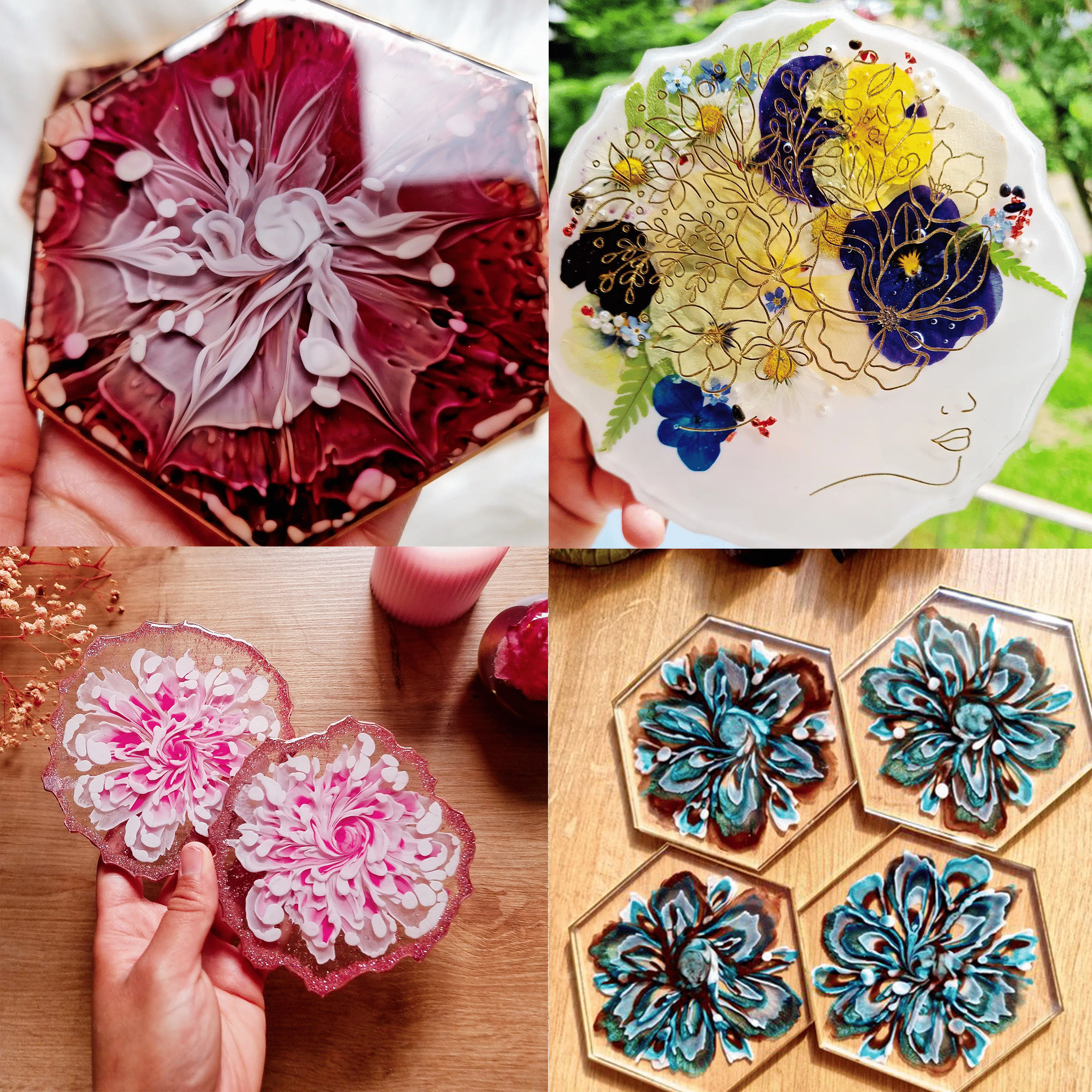
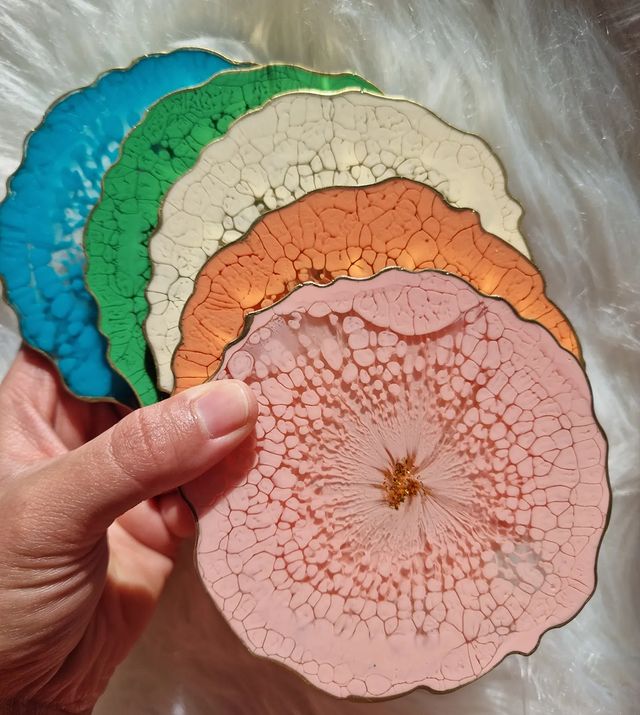
Choosing the right resin can make a huge difference to your creative process and the final look of your project. Each type of resin has unique properties, with epoxy resin being a favourite for many crafters.
Epoxy Resin: The Go-To for Clarity and Versatility
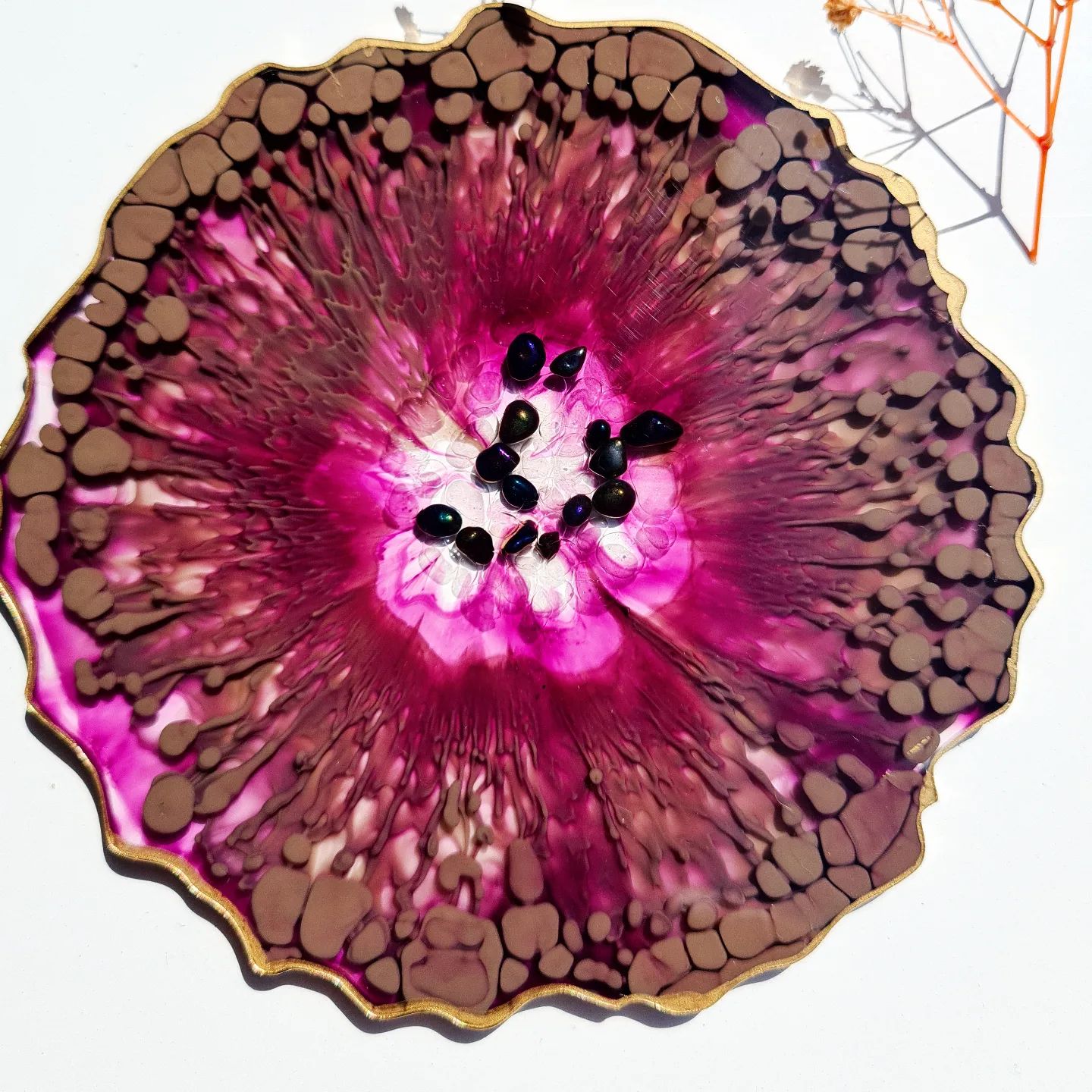
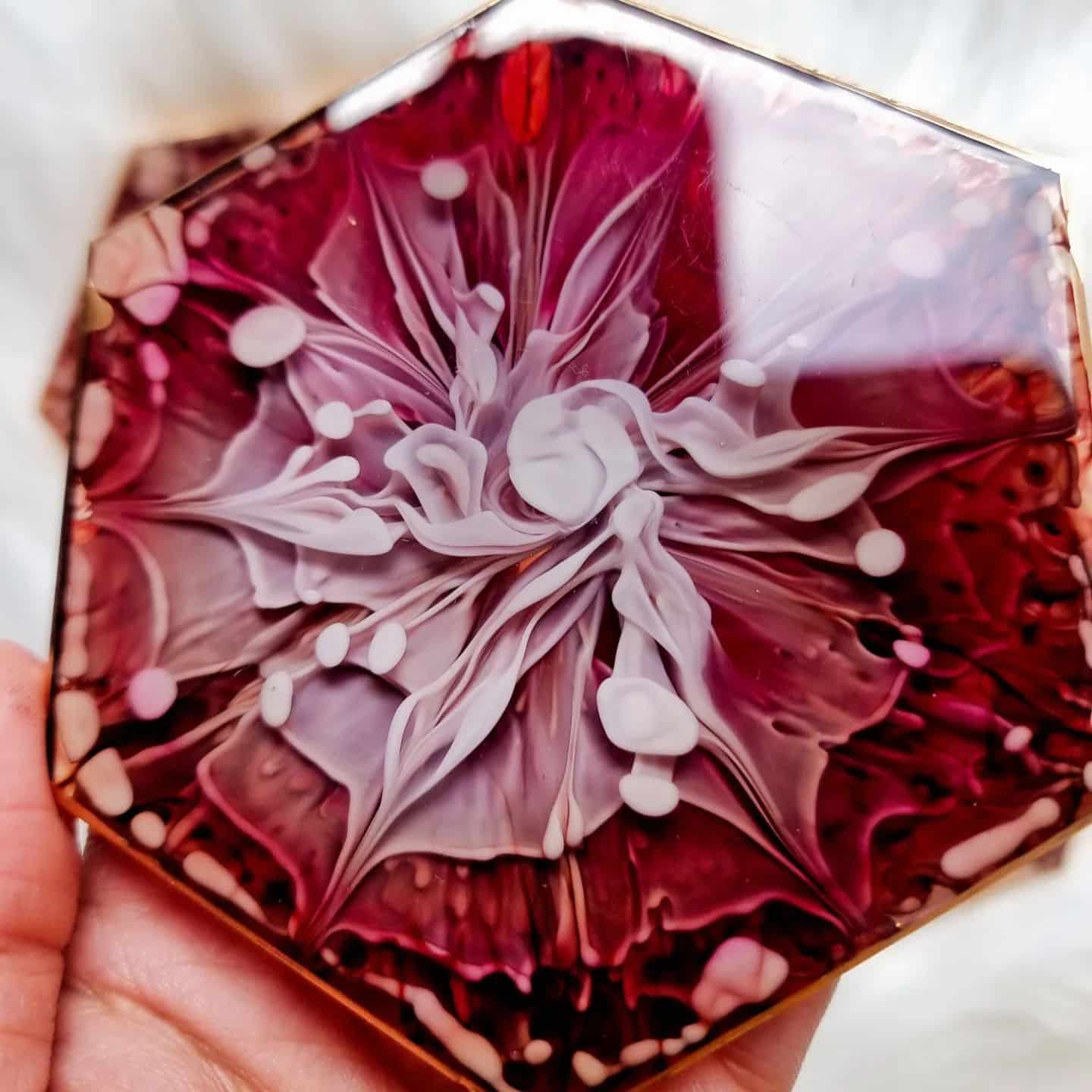
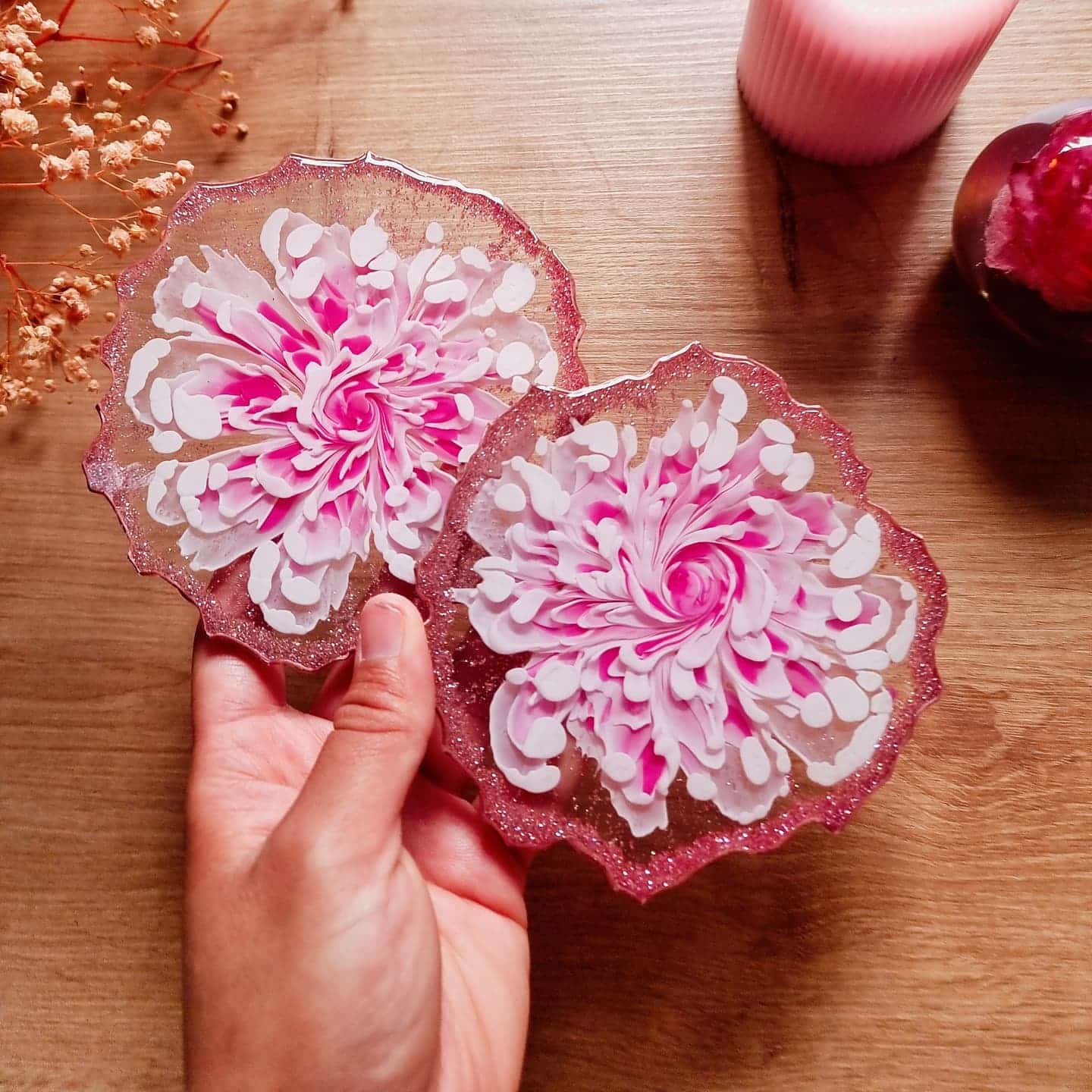
Epoxy resin is well regarded in arts and crafts circles for its clear finish, ease of use, and versatility. Its low odour and relatively straightforward mixing process make it user-friendly, even for beginners. Epoxy is ideal for projects like coasters, trays, and decorative art, where a glass-like gloss and depth are desired. Thanks to its consistency, it’s suited for both coating and pouring, allowing for layered effects and embedded decorations.
If you’d like to try working with epoxy resin, a hands-on session such as the Resin Class – 3D Effects Coasters Masterclass, 120 Minutes offers a practical introduction to its techniques and creative possibilities.
Comparing Epoxy with Polyester and Polyurethane Resins
While epoxy resin is popular for craftwork, polyester resin and polyurethane resin are also used in creative projects. Polyester resin tends to be more brittle and can emit a strong odour, making it less appealing for smaller, detailed pieces. It’s commonly featured in larger or cast projects where clarity isn’t as vital. Polyurethane resin sets rapidly and can be pigmented easily, but it may be more sensitive to moisture and requires precise measuring. Each of these resins has its place, but for beginner-friendly and decorative work, epoxy resin’s clarity and ease remain unmatched.
Practical Guidance: Selecting the Right Resin
- For items that you’d like to display or use, such as coasters or trays, epoxy resin offers a durable, glass-like result and is easier to colour and embed with objects.
- If your project involves casting larger, solid shapes where transparency is less critical, you might consider polyester resin, but ensure good ventilation.
- Polyurethane resins excel in rapid prototyping or where a quick set time is essential, but are usually reserved for more advanced work.
When Does This Matter?
Knowing the difference between resin types matters most when you want your project to be safe, long-lasting, and visually appealing—especially for items that will see regular use or be handled often. Epoxy resin is a solid choice for those learning the essentials, thanks to its balance of reliability and finish quality.
Related products
Related guides
Understanding the unique strengths of each resin type will help you approach resin creations with confidence. For more guidance on resin techniques and projects, visit our main page on how resin creations are made.