 Free shipping on orders over £29,85
  Shipping Tracking!


 Google
 Facebook
← Back to Which driveable resin product should I buy?
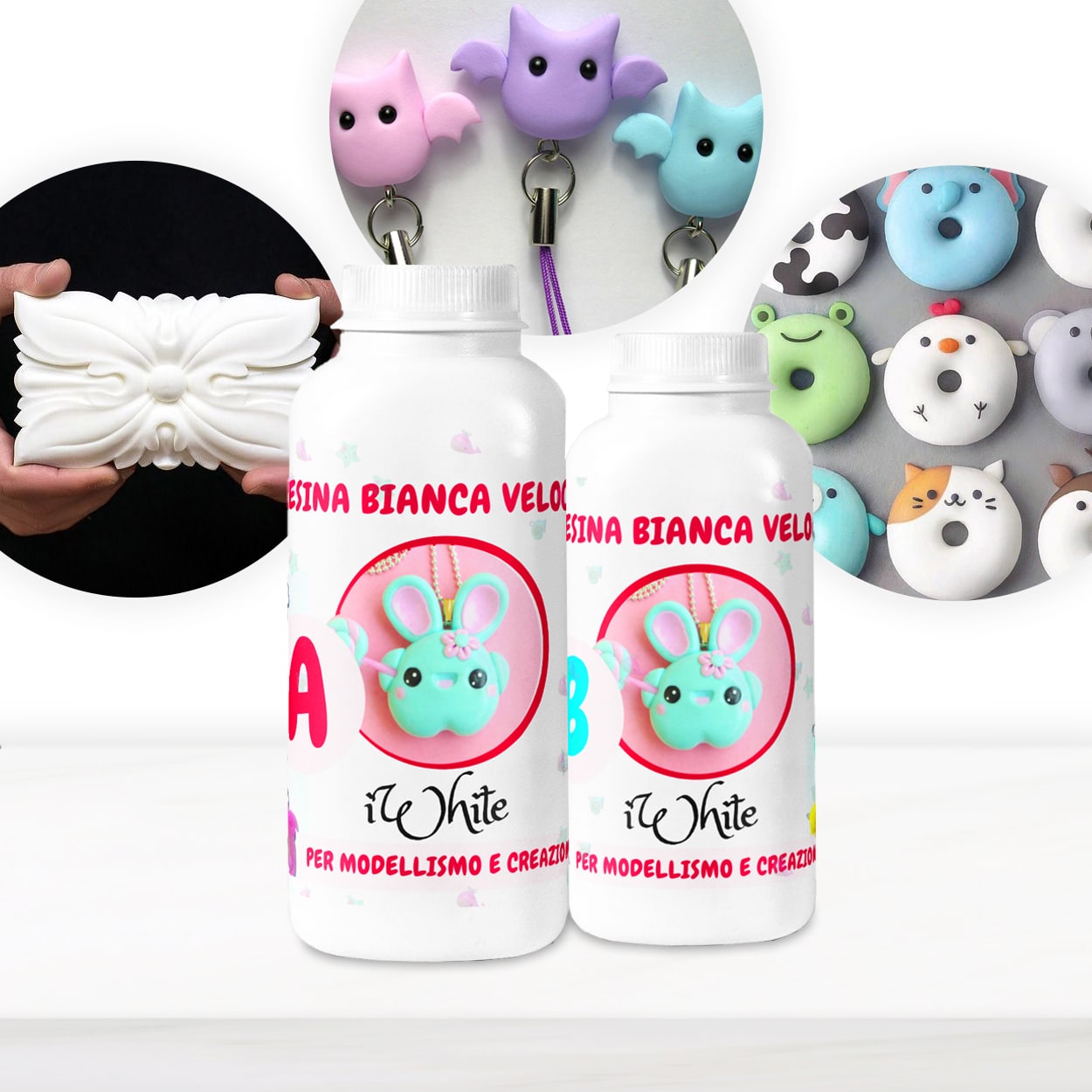
When choosing between epoxy and polyurethane resin, it helps to know their fundamental characteristics. Each resin type brings specific advantages for different creative or restoration projects.
Key Differences in Curing and Handling
The main distinction lies in their curing speed and working properties. Polyurethane resin, such as IWhite, is known for its rapid cure times, often setting within just 30 minutes. This makes it a favourite for fast prototyping or when intricate details need to be captured quickly. In contrast, epoxy resin cures at a slower pace, providing more time to mix, pour, and remove bubbles—ideal for projects needing precision or larger pours.
Best Uses for Epoxy and Polyurethane Resins
Polyurethane resin shines in applications that require fine details and speed, such as model making, rapid prototyping, and decorative crafts. Its thin consistency allows it to flow into complex moulds and capture intricate patterns. Epoxy resin, on the other hand, offers strong adhesion and robust protection, making it suitable for wood restoration, waterproofing, art coatings, and surface repairs, like those achieved with EpoxyWood.
When This Matters Most
If your project is time-sensitive or relies on crisp detail—think casting miniature models or making detailed ornaments—polyurethane resin is the practical choice. For structural repair, slow artistic pours, or surface coatings where strength and durability matter, epoxy is usually preferred.
Related products
Related guides
Understanding the main differences between epoxy and polyurethane resin ensures you select the right material for your craft, restoration, or DIY adventure. Explore more about finding the best driveable resin solutions in our comprehensive guide on which driveable resin product should I buy?.