 Free shipping on orders over £29,85
  Shipping Tracking!


 Google
 Facebook
← Back to Can polyester resin be used to fill wood?
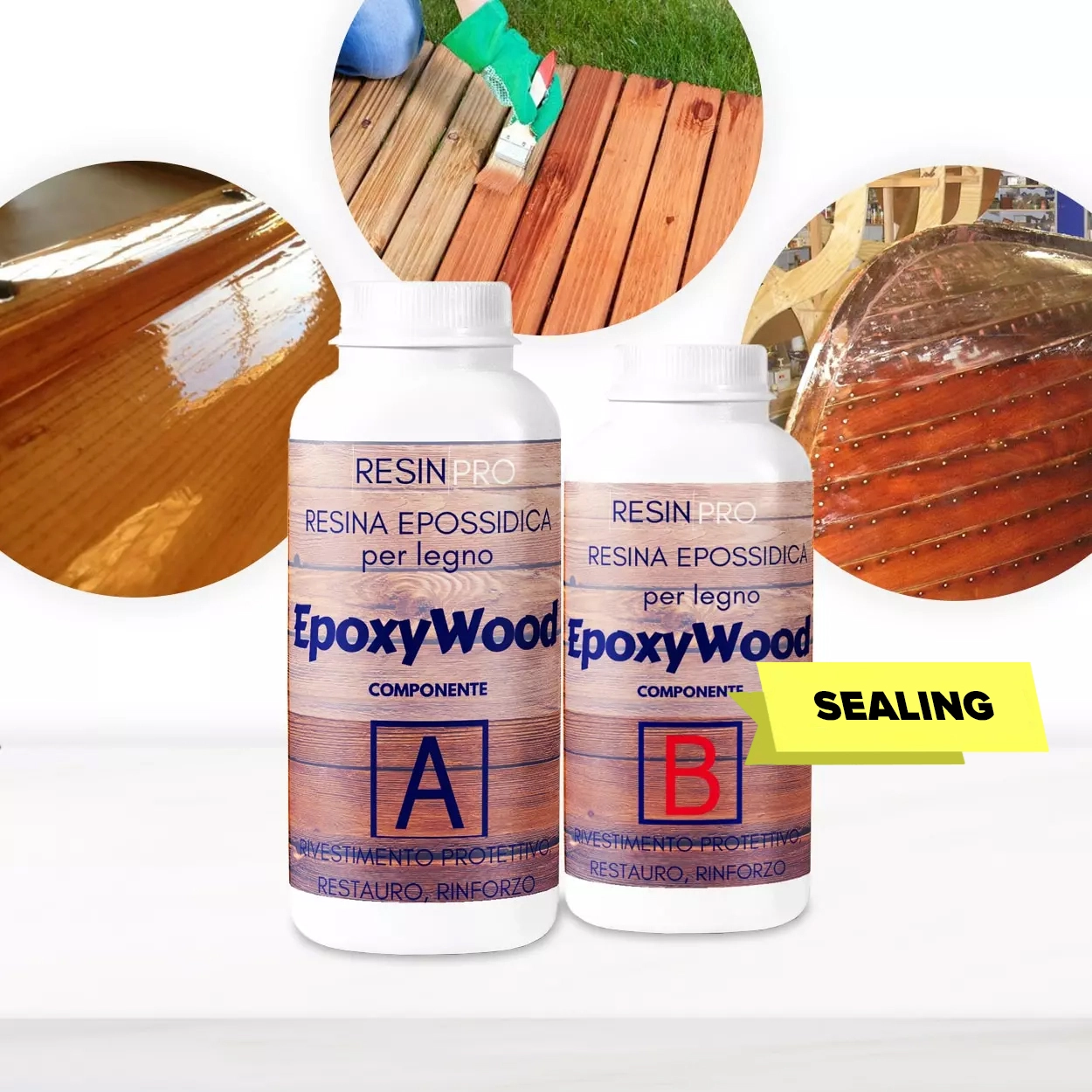

When it comes to filling, restoring, or crafting with wood, the right epoxy product makes all the difference. Understanding how EpoxyWood and deep pour epoxy resins work helps you choose the best solution for your project.
What is EpoxyWood?
EpoxyWood is a specialist resin designed to deeply penetrate the fibres of wood. It acts primarily as a wood stabiliser and sealer, reinforcing fragile or weathered wood from within. The ultra-low viscosity ensures it soaks into fine cracks and pores, locking out water and helping to extend the life of timber. This makes it ideal for restoration projects or for protecting external wood surfaces from moisture.
For best results, ensure the wood is dry and sanded prior to application. The resulting finish is a natural, slightly amber tint that highlights the grain.
How Deep Pour Epoxy Differs
Deep pour epoxy, such as EpoxyTable 5-Five, is formulated for casting thick sections, making it suitable for creative and structural projects like river tables or filling large voids. Unlike thin sealing resins, deep pour epoxies can be poured in layers up to several centimetres without the risk of excessive heat build-up or deformation. They offer a clear, bubble-free finish and can be tinted for artistic effects.
If your project involves adding substantial volume, such as resining table inserts or decorative castings within wood, a deep pour epoxy is typically your best option.
When Each Approach Matters
- Choose EpoxyWood: For strengthening and waterproofing wood, treating rot, or restoring timber without significantly altering its appearance.
- Choose deep pour epoxy: When you need to fill larger spaces, achieve a clear or pigmented effect, and require structural casting in thick layers (up to 10cm with products like “Epoxytable 10-Ten”).
Related products
Related guides
Knowing whether to use EpoxyWood or deep pour epoxy ensures the right foundation for your wood project. To further explore resin solutions or wood filling options, see our main advice on using polyester resin with wood.