 Free shipping on orders over £29,85
  Shipping Tracking!


 Google
 Facebook
← Back to Which material is better for garden furniture, polyrattan or resin?
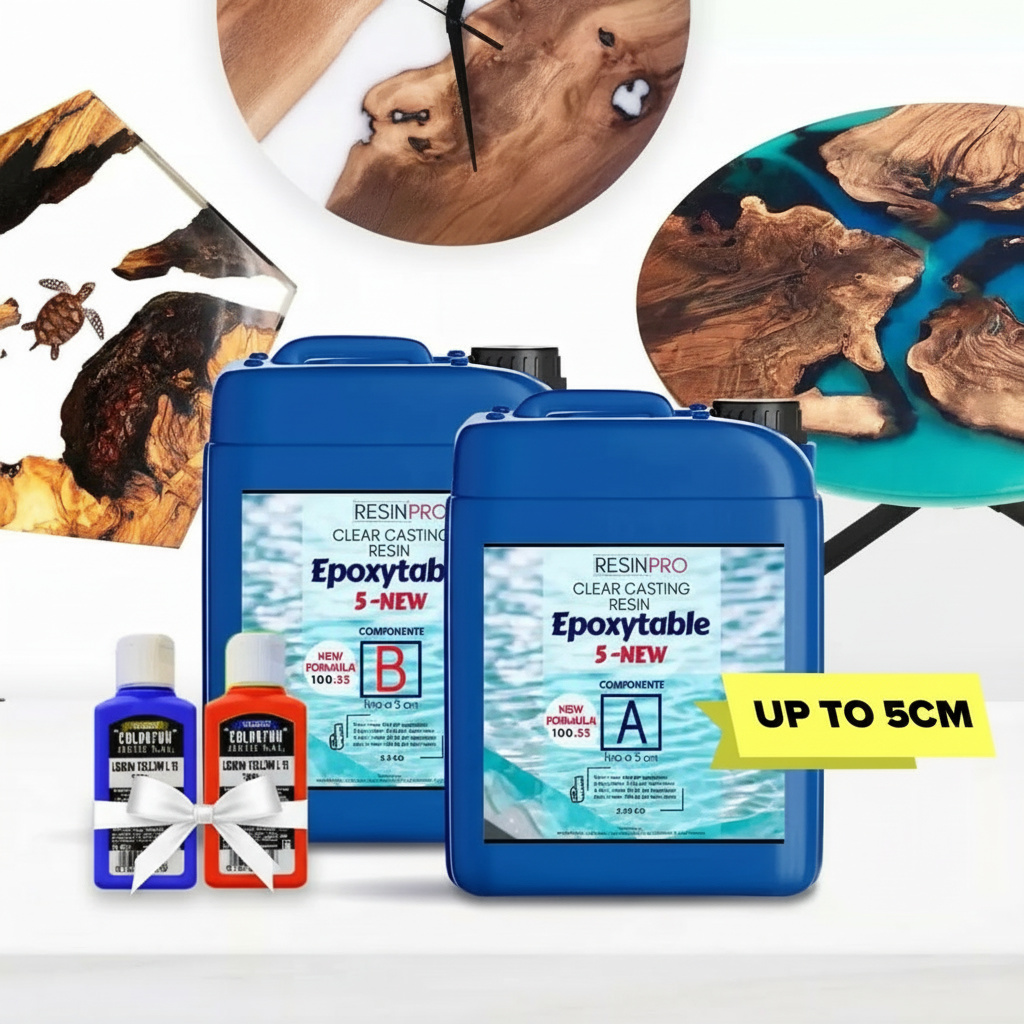
Choosing between polyrattan and resin for garden furniture can be confusing. Both materials are popular for outdoor use, but their differences affect durability, style, and maintenance.
Material Structure and Composition
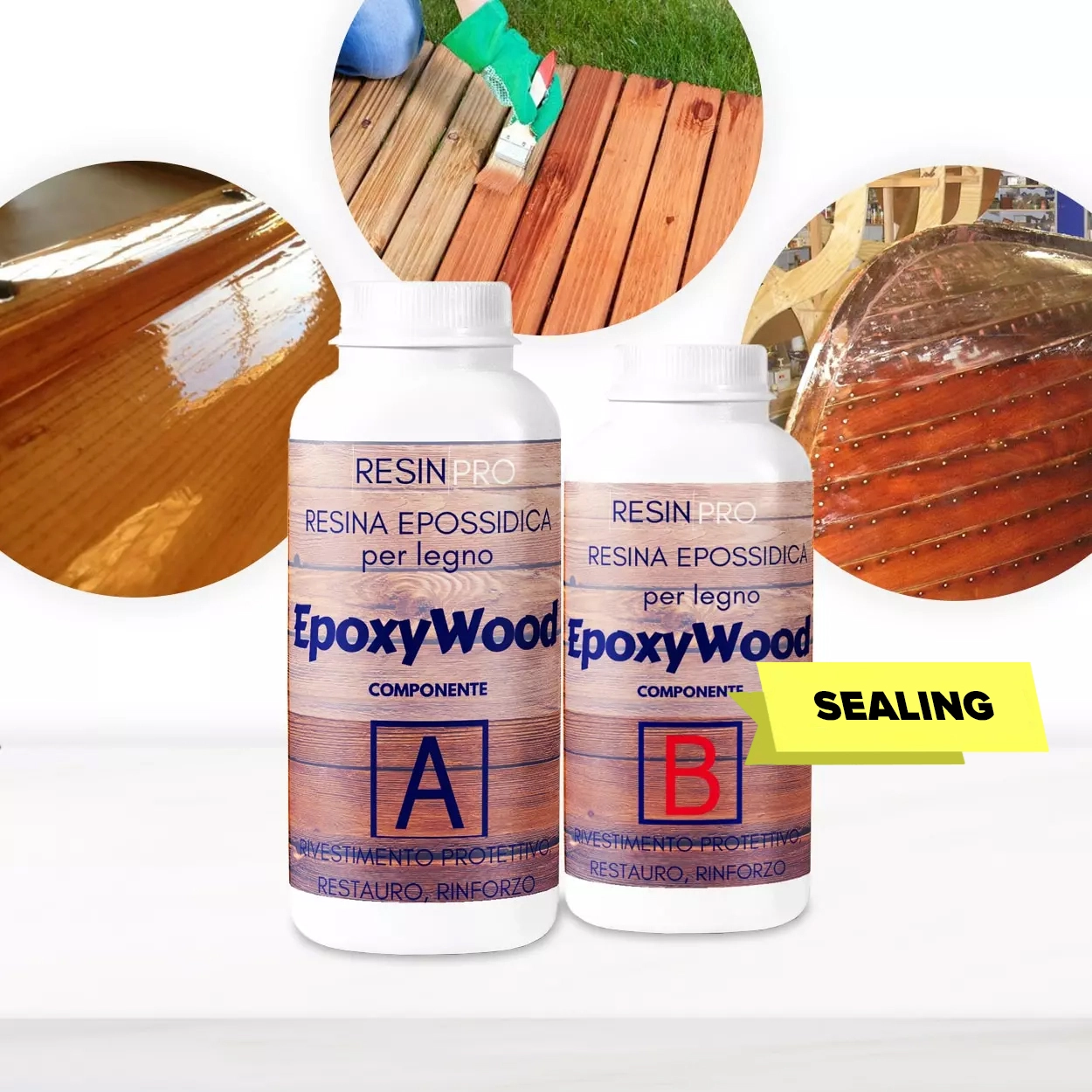
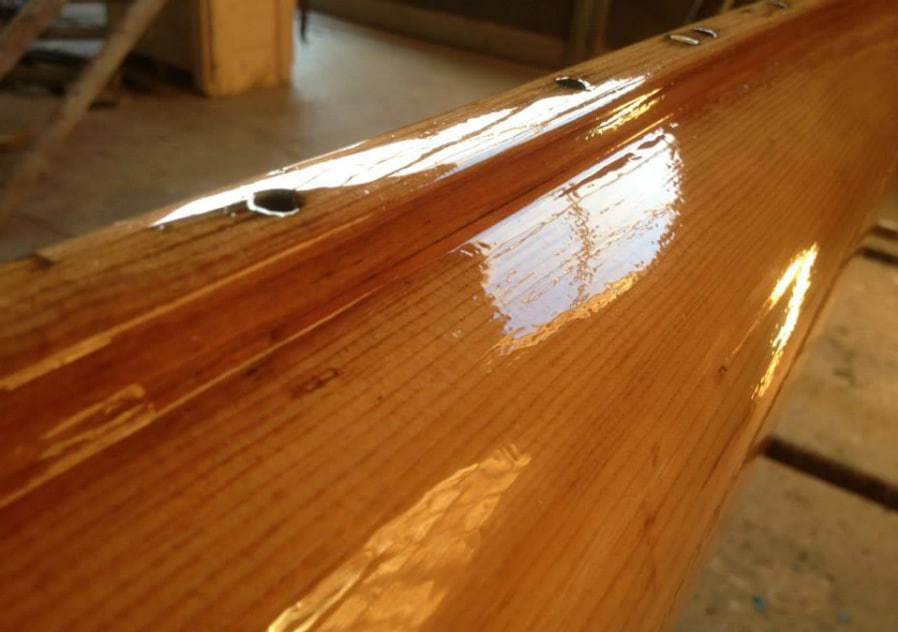
Polyrattan refers to synthetic fibres crafted to mimic the look of traditional rattan. These are typically woven onto frames to create chairs, sofas, and tables, resulting in a textured appearance. Resin, on the other hand, is a solid or coated synthetic material—often epoxy or plastic—used to form furniture panels, surfaces, or even entire pieces. Resin can be poured, moulded, or layered for tailored shapes and finishes. If you are restoring or upgrading wooden garden furniture, products like EpoxyWood can provide a tough, water-resistant coating.

Durability, Maintenance, and Customisation
Resin furniture tends to offer superior durability compared to polyrattan’s woven structure. Its solid, sealed surface is generally more resistant to weathering, scratches, and moisture. Resin can also be coloured or moulded for unique visual effects and shapes, supporting deeper levels of customisation. Maintenance is straightforward—simply wipe resin clean, whereas polyrattan may trap debris in its weave and require more effort to keep tidy.
When Should You Choose One Over the Other?
- Polyrattan: Best for traditional woven looks, lightweight designs, or flexibility in seating and lounging furniture.
- Resin: Ideal if low maintenance, durability, or custom shapes are top priorities. Resin is also useful for restoring and protecting wooden or mixed-material furniture pieces.

Related products
Related guides
Understanding how polyrattan and resin differ helps you select the best material for your garden furniture needs. Visit our main guide to explore more about which material could be better suited to your outdoor space.