 Free shipping on orders over £29,85
  Shipping Tracking!


 Google
 Facebook
← Back to Which resins are best for polishing?

When preparing resin artwork for a polished, professional finish, resin viscosity—the thickness or flow of the liquid—plays a crucial role in shaping both aesthetic and practical outcomes. The right viscosity can make your polishing process much smoother and enhance the depth and shine of the final result.
Understanding Viscosity in Resin Art
Viscosity determines how resin flows and self-levels over a surface. High viscosity resins are thicker and move more slowly, making them ideal for applications where precise lines and minimal colour blending are essential. This helps artists keep embellishments, patterns, and pigments distinct, so the resin surface is cleaner and more defined when it comes time to polish.
Low viscosity resins, by contrast, are much runnier. These are better suited to deep pours or when you want colours to naturally blend and swirl, though they can be harder to control in thin layers and may require more effort when aiming for a mirror-like polished surface.


Polishing Quality and Surface Preparation
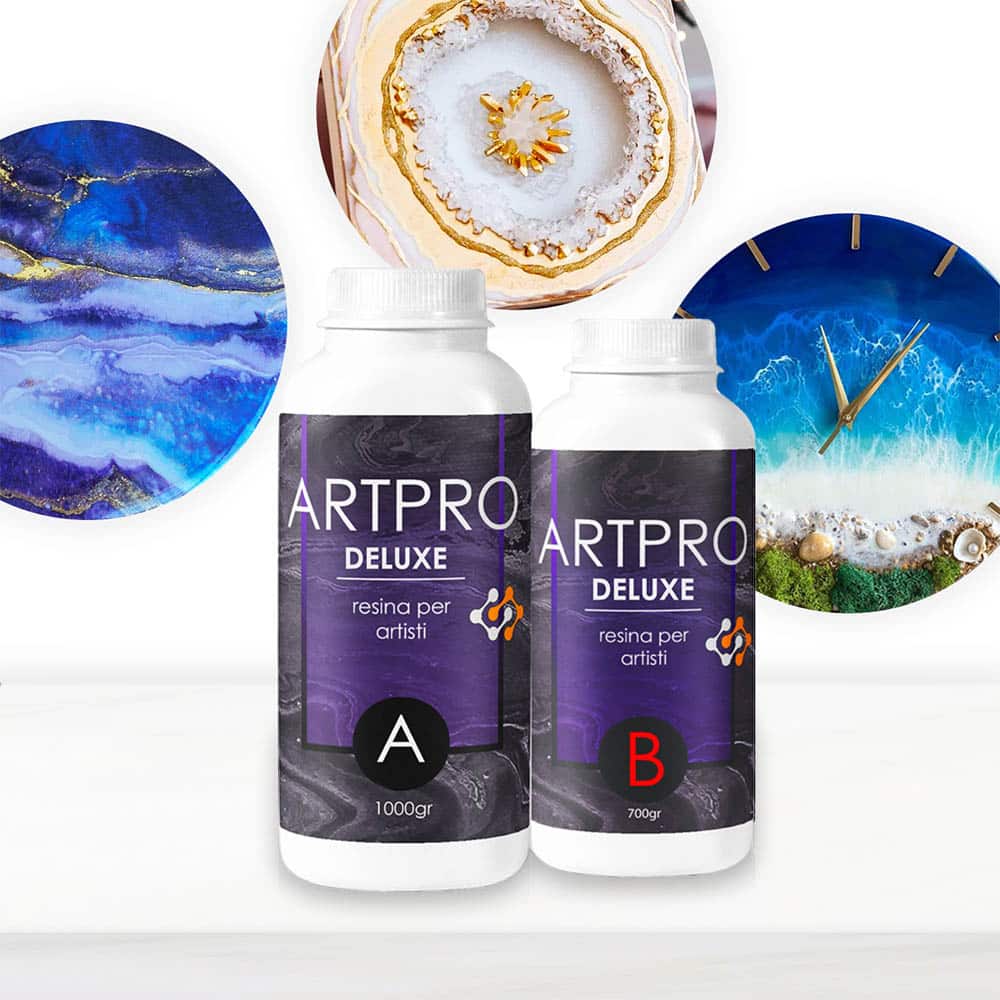
Polishing resin demands a smooth, hard foundation. High viscosity options such as Art Pro Deluxe are formulated to produce a glossy, scratch-resistant finish that’s easier to buff and polish. The dense nature of these resins prevents unwanted runs or sags, resulting in an even, level surface that responds well to standard polishing compounds.
- High viscosity: Best for top coats and detailed art requiring sharp separation and a defined, polish-ready surface.
- Low viscosity: Useful for initial pours or embedding items but may need additional finishing coats for an optimal polish.
Choosing the Right Resin for Your Project
If your goal is a perfectly polished finish on art, coasters, trays, or tabletops, select a resin with high viscosity and proven clarity. Products like Art Pro and Icrystal offer durable, clear results ideal for polishing. Be mindful to apply these resins in recommended layer thicknesses and let them cure fully before starting the polishing process to achieve the best results.

When Viscosity Matters Most
Viscosity becomes especially important when working with multi-layered designs, intricate details, or when your finished piece will be handled frequently and requires a flawless, glossy finish. Choosing the correct resin makes polishing both easier and more effective, setting your projects apart.
Related products
Related guides
Understanding how viscosity influences your polishing process helps you select the best resin for stunning, showroom-quality surfaces. For more insights and further recommendations, see our hub on which resins are best for polishing.