 Free shipping on orders over £29,85
  Shipping Tracking!


 Google
 Facebook
← Back to What is the difference between thermoplastic and thermosetting resins?
Choosing between thermoplastic and thermosetting resins comes down to the nature of your project. Each type of resin boasts unique advantages and application areas, making it essential to understand their best uses when planning a craft, DIY, or industrial task.
Thermoplastics: Flexible Forming and Rework
Thermoplastic resins remain versatile because they soften again when heated, allowing for reshaping and recycling. These properties make them perfect for products requiring repeated processing or those created by injection moulding. Common uses include:
- Automotive parts where design modifications may occur
- Packaging trays and containers
- Reusable consumer items and some protective casings
Products made from thermoplastics are generally chosen when flexibility or later adaptation is important, and when quantity manufacturing methods are used.
Thermosetting Resins: Robustness for Permanent Structures
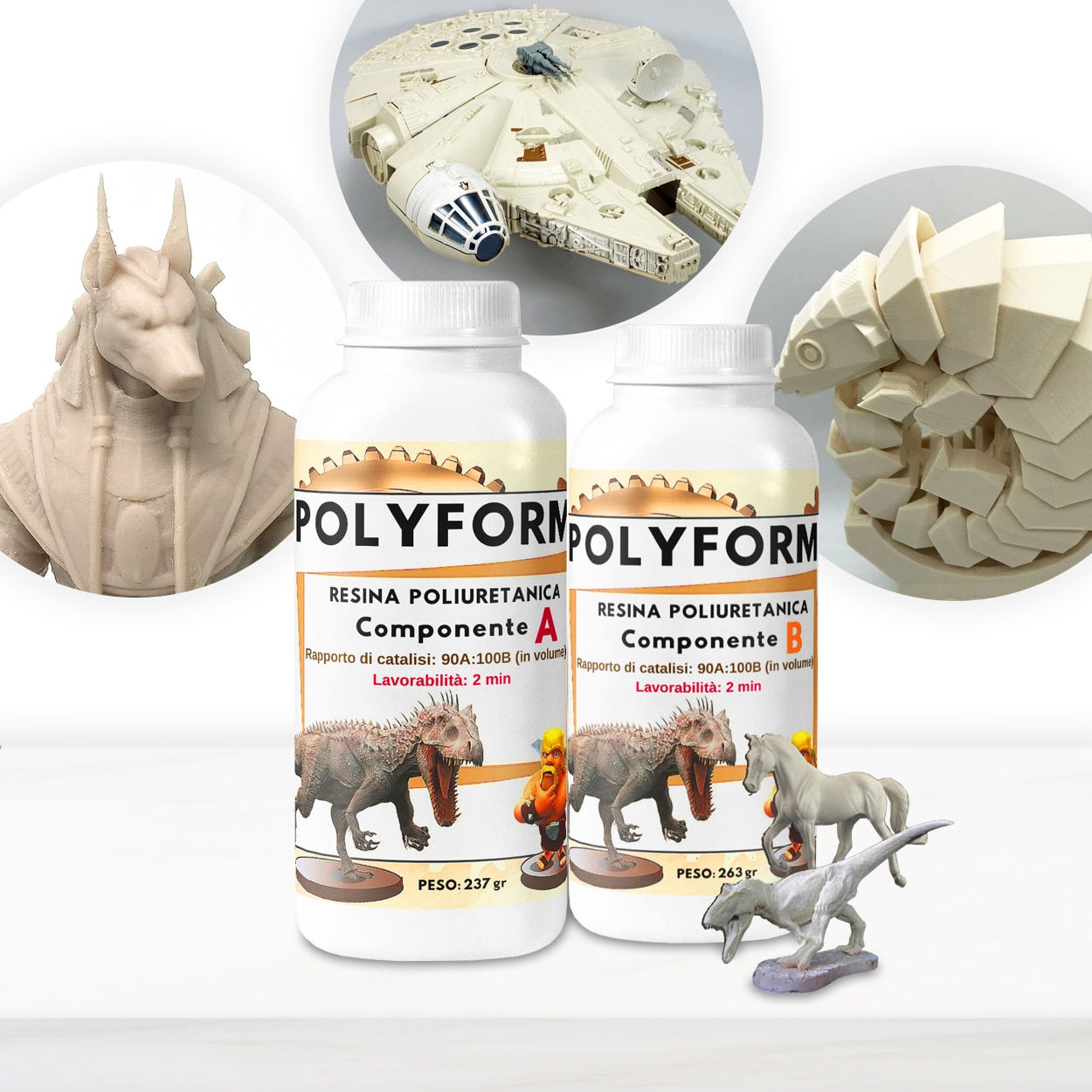
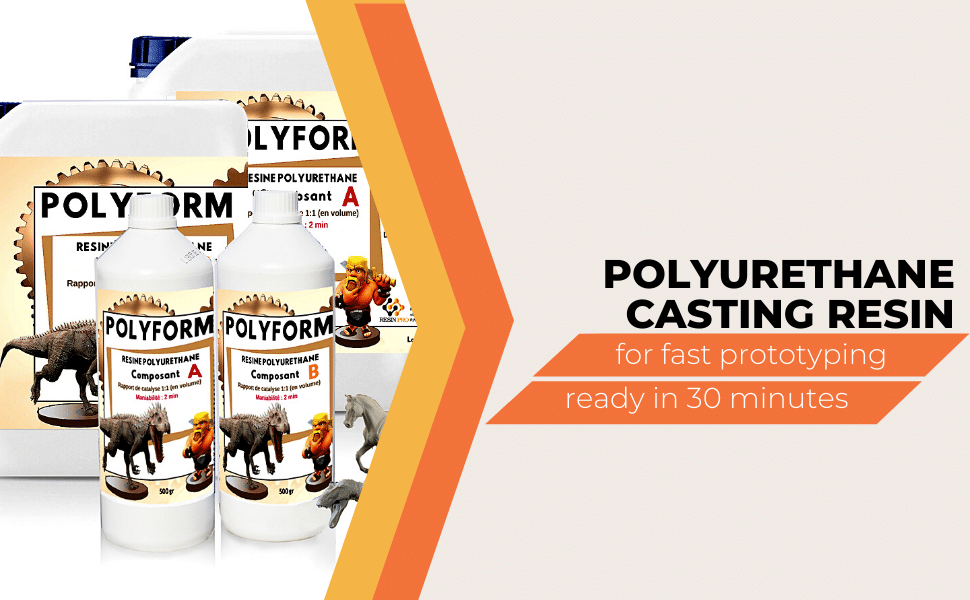
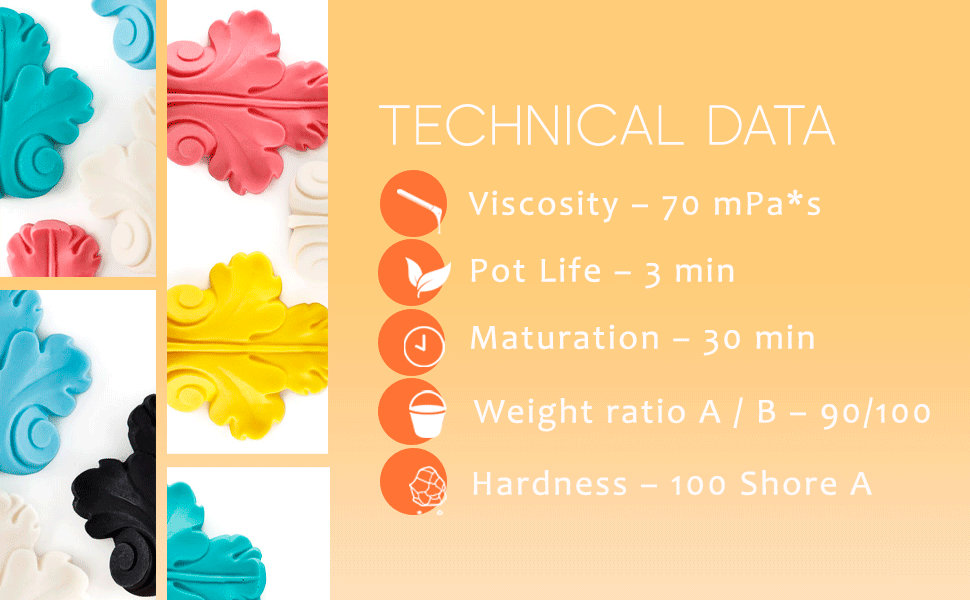
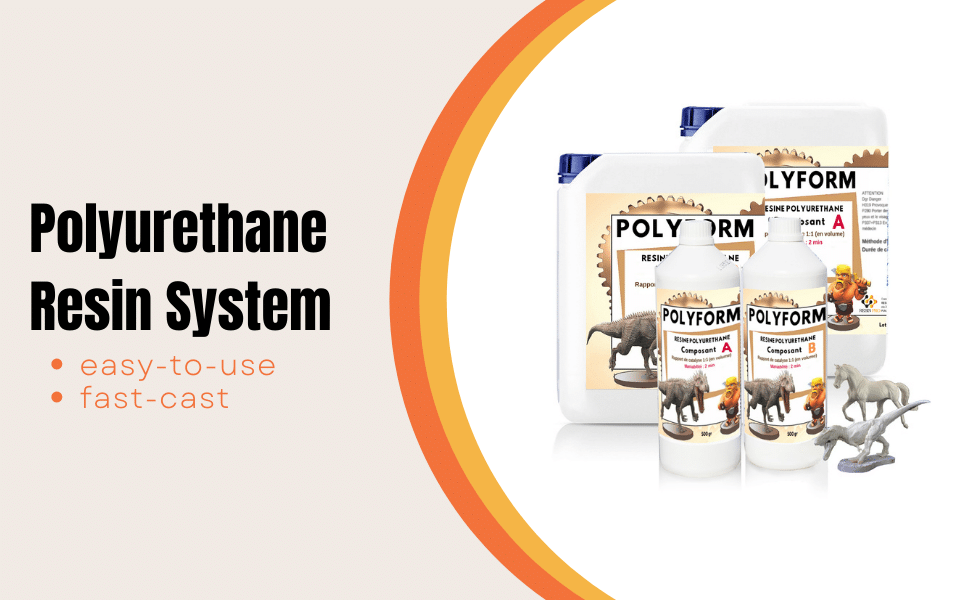
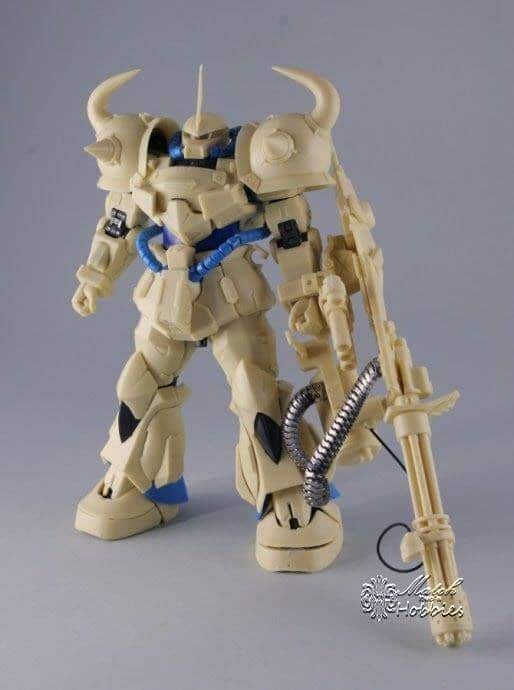
Thermosetting resins, once cured, form a permanent hard structure that does not soften with heat. Their high strength and durability make them well-suited for items that require a stable, wear-resistant finish. For example, Polyform polyurethane casting resin is ideal for rapid prototyping and detailed small-batch parts. Thermosetting epoxies are commonly used in:
- Composite projects such as carbon fibre and fibreglass coatings
- Deep pour art pieces and designer tables using products like Epoxytable 10-Ten
- Detailed castings and robust models for professional use
When Application Matters Most
Thermoplastics are often the go-to choice when you need a material that can be melted and reshaped, or when producing large volumes cost-effectively. However, for projects demanding strength, chemical resistance, or a permanent, clear finish—such as furniture, artwork, or engineering prototypes—thermosetting resins stand out for their set-and-forget reliability.
Related products
Related guides
Understanding which resin type suits your project will ensure durable results and efficient production. For further insights into how thermoplastic and thermosetting resins differ, return to our main guide on resin types.