 Free shipping on orders over £29,85
  Shipping Tracking!


 Google
 Facebook
← Back to How much does the resin body for the sauce cost?
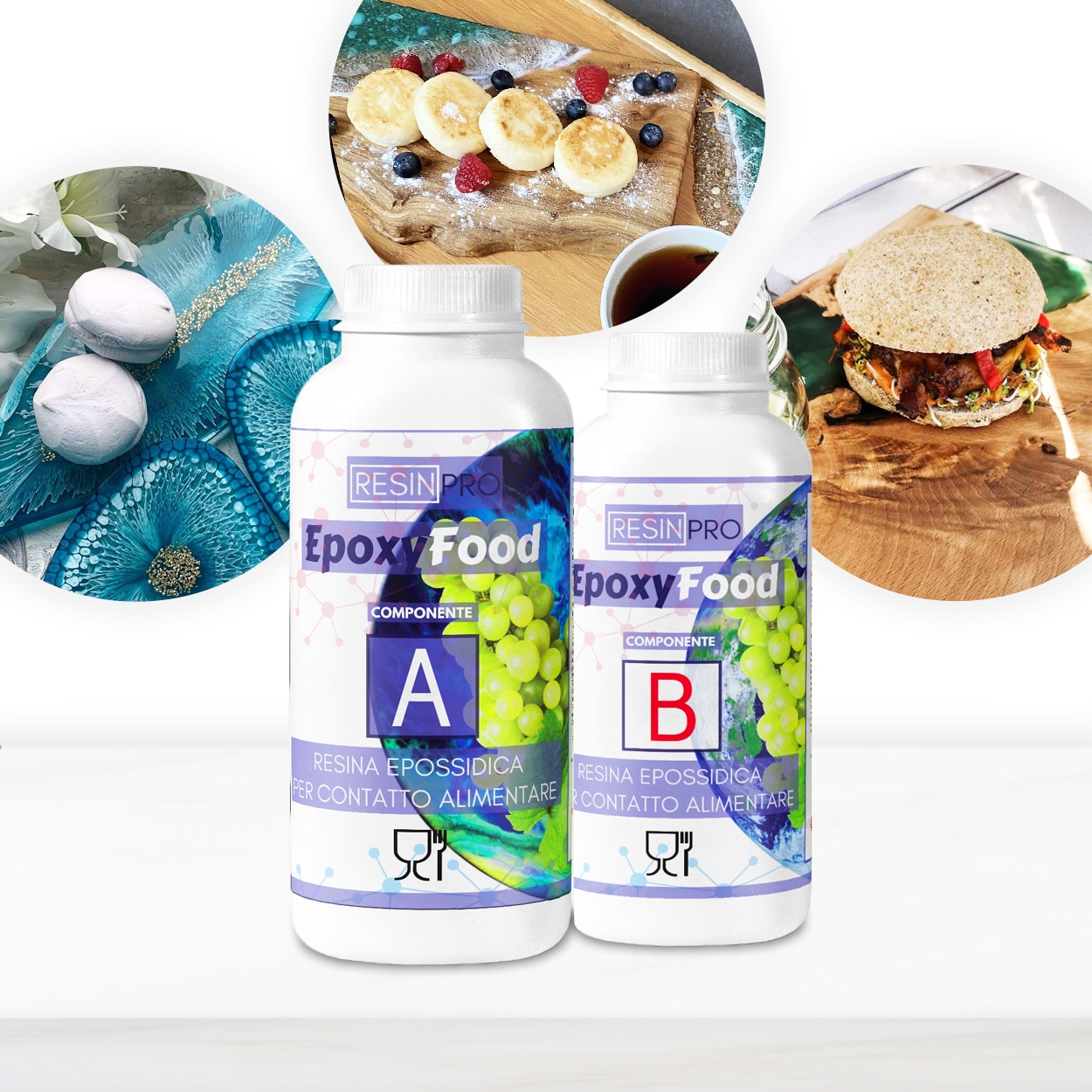

Choosing the right epoxy resin is essential, especially if your project involves food contact or craft applications. Understanding the key differences between multipurpose and food-safe epoxy ensures safety and suitability for your intended use.
What Sets Food-Safe Epoxy Apart?
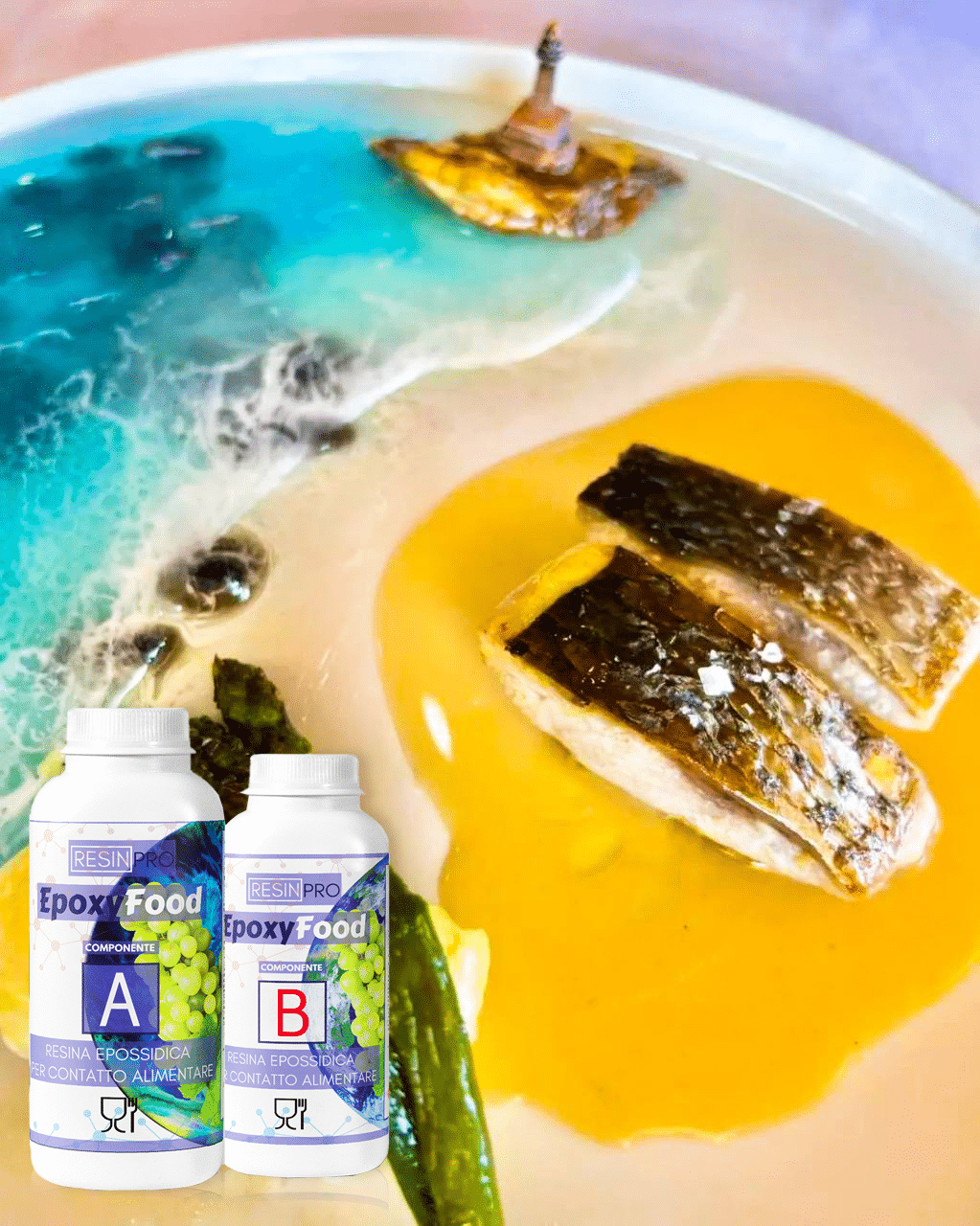
Food-safe epoxy resins are independently tested and certified for contact with foods in line with European standards. When mixed, cured, and applied correctly, these resins are recommended for surfaces that come into contact with cold snacks and non-alcoholic beverages. A dedicated product like “EpoxyFood” – Certified Clear Food Contact Epoxy Resin for Coating offers peace of mind for projects such as plates and serving boards. To ensure safety, only use food-safe resins without additives and strictly follow the manufacturer’s instructions during application and curing.

Multipurpose Epoxy: Flexible, But for Non-Food Use
Multipurpose epoxy resins are designed for versatility in art, woodworking, furniture, and restoration projects. These resins offer durable, clear finishes and may feature enhanced UV resistance or scratch resistance, ideal for creative or practical uses not involving food contact. However, they are not tested or certified for food safety and should not be applied on surfaces where direct food contact is expected.
- Suitable for casting jewellery, artwork, or furniture finishes
- Not intended for kitchenware or direct food surfaces
When This Matters: Selecting the Right Resin for Your Project
If your creation will touch food or serve in the kitchen, always select a food-safe certified resin. For aesthetic projects—such as river tables, resin art, or decorative objects—a multipurpose epoxy is typically sufficient. Make this distinction at the planning stage to ensure your work is both beautiful and appropriate for its intended use.

Related products
Related guides
Understanding the difference between food-safe and multipurpose epoxies helps you achieve optimal results whether you’re making kitchenware or creative works. For guidance on costs and epoxy types suitable for your project, visit the main hub page.