 Free shipping on orders over £29,85
  Shipping Tracking!


 Google
 Facebook
← Back to What material is resin?
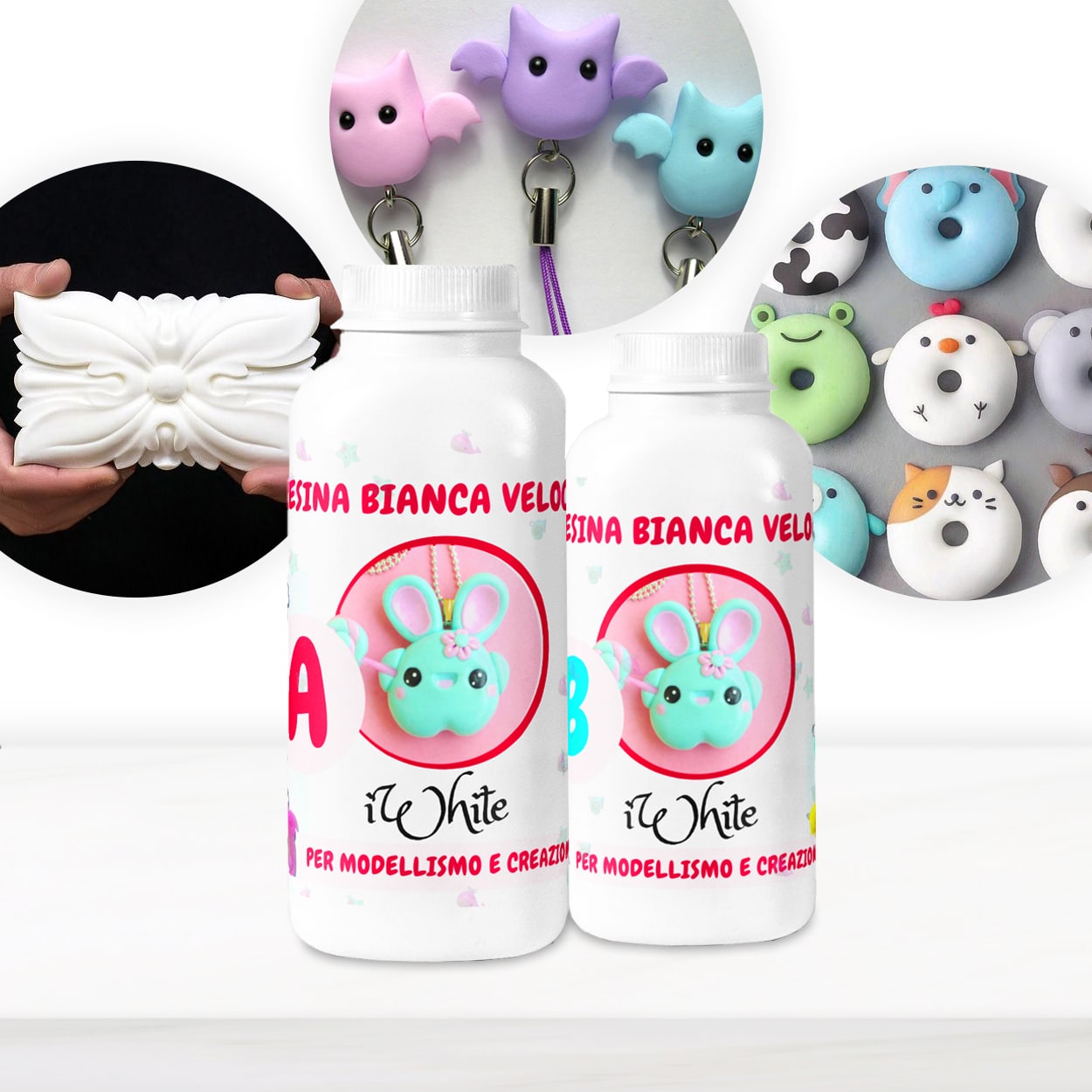
If you’re exploring resin projects, understanding the distinctions between polyurethane and epoxy resins is essential. Each material offers unique benefits depending on your intended use, finish, and the level of detail required.
Comparing Polyurethane & Epoxy Resin Properties
Polyurethane resins are highly fluid two-component systems, known for their rapid curing—often setting in as little as 30 minutes. This makes them ideal for precision moulding, intricate castings, and fast-turnaround prototyping. Epoxy resins, in contrast, generally require longer curing periods but offer versatile performance in art, coatings, rigid composites, and wood finishes. They often provide a durable, glossy result and can be poured in thicker layers depending on the formulation.
Choosing the Right Resin for Your Project
- Rapid Prototyping & Detailed Casting: Polyurethane options, like the “IWhite” Polyurethane Casting Resin, are preferred when fine detail and fast demoulding matter.
- Creative and Structural Applications: Epoxy resins such as “Icrystal” Clear Epoxy Resin and “Trasparente” Multipurpose Epoxy suit layered pours, jewellery, wood surfaces, and coatings where clarity, hardness, and surface finish are key.
Purchasing the right resin depends on both the type of moulding and time constraints. Polyurethane is generally best for those looking to produce models or parts quickly, while epoxy’s slower set is suited to artistic or surface applications where working time is beneficial.
When This Matters
This distinction is important when your project timeline or detail level is non-negotiable. If you require very fast turnaround or need to capture intricate designs, polyurethane resins excel. For projects demanding optical clarity, a hard surface, or thicker pours, epoxy resin is the robust and versatile choice.
Related products
Related guides
Understanding the key differences between polyurethane and epoxy resins empowers you to select the optimal material for your next moulding or creative venture. For a deeper dive into the science of resins and more comparison tips, visit our main page on what material is resin.